
 Brands
 Best Selling
 Offer
Offer Combo
ComboIf you have ever looked in the mirror and noticed stubborn dark patches, lingering acne marks, or a general unevenness in your skin tone, you are far from alone. Hyperpigmentation is one of the most common skincare concerns globally. Whether it is a souvenir from a sunny vacation or the aftermath of a breakout, getting rid of these spots can often feel like an uphill battle.
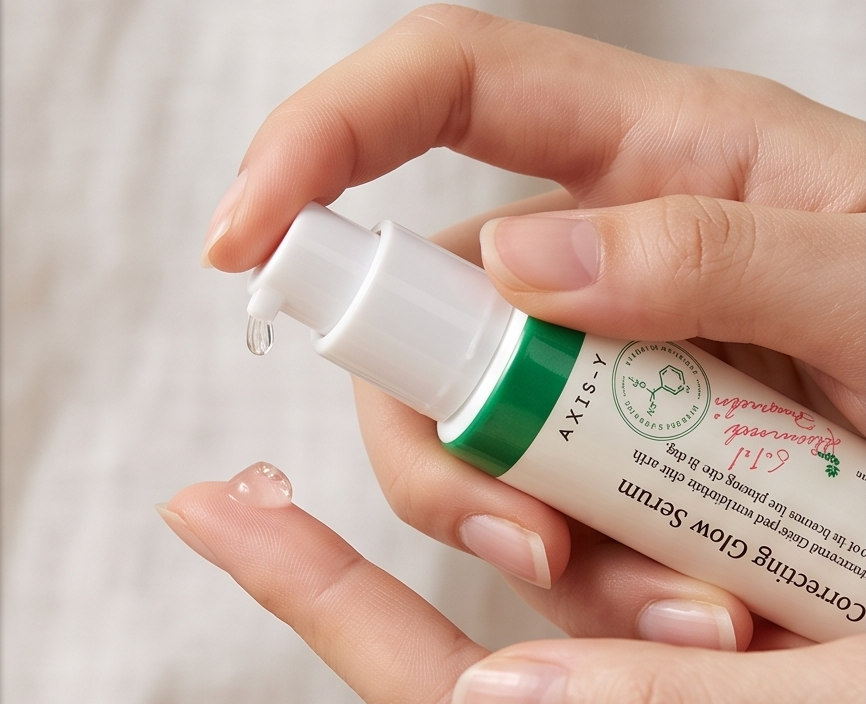
Enter the dark spot correcting glow serum. These targeted treatments have become a staple in modern skincare routines, promising to fade discoloration and restore a radiant complexion. But how exactly do they work? Which ingredients should you look for? And how long does it actually take to see a difference?
In this complete guide, we will break down everything you need to know about brightening serums, how to build a routine that actually works, and how to choose the right product for your unique skin.
What Is a Dark Spot Correcting Glow Serum?
A dark spot correcting glow serum is a lightweight, highly concentrated skincare product formulated specifically to target areas of hyperpigmentation and uneven skin tone.
Unlike heavy creams, serums are designed with smaller molecules that absorb quickly and deeply into the skin. Their primary goal is twofold: to fade existing dark spots by accelerating skin cell turnover or breaking down excess pigment, and to impart a “glow” by hydrating and brightening the overall complexion.
What Causes Dark Spots?
To effectively treat uneven skin tone, it helps to understand what causes it in the first place. Dark spots (hyperpigmentation) occur when the skin produces too much melanin, the pigment that gives our skin its color.
According to the American Academy of Dermatology (AAD), this overproduction is typically triggered by:
- Sun Exposure: Ultraviolet (UV) light stimulates melanin production as a defense mechanism. Over time, this can lead to sun spots, age spots, and freckles.
- Post-Acne Marks: Known clinically as Post-Inflammatory Hyperpigmentation (PIH), these are the flat, dark marks left behind after a pimple heals.
- Hormonal Changes: Fluctuations in hormones, often related to pregnancy or birth control, can trigger melasma—patches of discoloration usually found on the cheeks, forehead, and upper lip.
- Skin Inflammation: Eczema, psoriasis, or physical trauma to the skin (like scratching or picking) can cause the skin to produce excess melanin as it heals.
- Aging: As we age, years of cumulative sun exposure begin to surface, and our skin’s natural cell turnover rate slows down, making spots more visible.
How Does a Dark Spot Correcting Serum Work?
Brightening serums tackle hyperpigmentation through a few different pathways, depending on their active ingredients. Generally, they work by:
- Inhibiting Melanin Production: Many ingredients block an enzyme called tyrosinase, which is essential for creating melanin. By stopping this enzyme, the serum prevents new dark spots from forming and stops existing ones from getting darker.
- Preventing Pigment Transfer: Some ingredients stop the melanin from traveling from the deep layers of the skin up to the surface where it becomes visible.
- Accelerating Cell Turnover: Gently exfoliating the top layer of dead skin cells helps shed the existing pigmented cells faster, revealing the fresh, even-toned skin underneath.
Key Ingredients to Look For
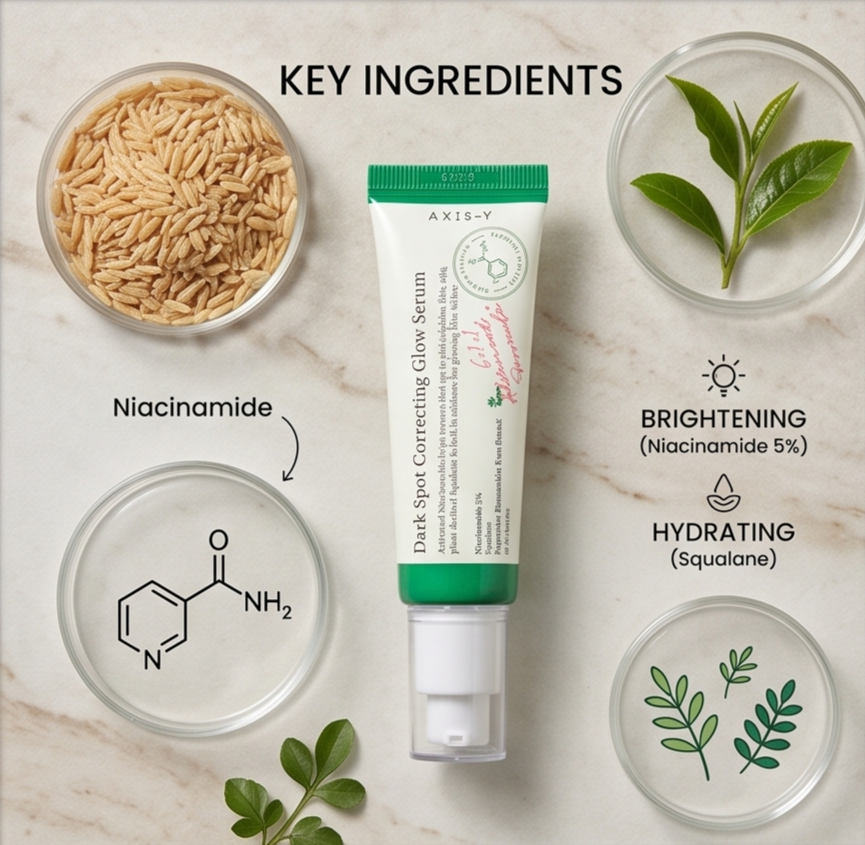
When shopping for a serum for dark spots, the ingredient list is your best friend. Here are the most effective, evidence-based brighteners commonly found in these formulations:
| Ingredient | How It Works | Best For |
| Niacinamide (Vitamin B3) | Prevents melanin from transferring to the skin’s surface. Also soothes inflammation and supports the skin barrier. | All skin types, including sensitive and acne-prone skin. |
| Vitamin C | A potent antioxidant that blocks melanin production and protects against environmental damage. | Brightening dull skin and fading sun spots. |
| Tranexamic Acid | Interrupts the pathways that cause inflammation and melanin production, particularly after UV exposure. | Stubborn pigmentation and melasma. |
| Alpha Arbutin | A safe, plant-derived alternative to hydroquinone that inhibits the tyrosinase enzyme. | Gentle, effective fading of post-acne marks and sun spots. |
| Licorice Root Extract | Disperses existing melanin and prevents new pigment from forming, while soothing the skin. | Calming redness and brightening uneven tone. |
| Exfoliating Acids (AHA/BHA) | Sloughs away dead, pigmented surface cells to speed up the fading process. | Textural issues and dullness (use with caution on sensitive skin). |
How to Choose the Right Serum for Your Skin
Not all hyperpigmentation serums are created equal. To get the best results without irritation, match the active ingredients to your specific skin profile:
- For Sensitive Skin: Look for gentle hydrators and brighteners like niacinamide, licorice extract, and centella asiatica. Avoid high concentrations of pure Vitamin C (L-ascorbic acid) or strong chemical exfoliants.
- For Oily or Acne-Prone Skin: A niacinamide-based serum is ideal, as it helps regulate sebum production while fading PIH.
- For Dry or Mature Skin: Seek out serums that combine brightening agents with deeply hydrating ingredients like hyaluronic acid, squalane, or glycerin.
How to Use a Dark Spot Correcting Glow Serum
Consistency is the secret to reducing hyperpigmentation. Here is how to incorporate a dark spot serum into your daily skincare routine:
- Cleanse: Start with a gentle cleanser to remove dirt, oil, and impurities.
- Tone (Optional): Apply a hydrating or balancing toner to prep the skin.
- Apply the Serum: Dispense a small amount of your dark spot correcting glow serum onto your fingertips. Gently pat it into the skin, focusing on areas with visible pigmentation. Allow it to absorb fully.
- Moisturize: Seal in the serum with a moisturizer suited for your skin type.
- Protect (Morning Routine): This is the most crucial step. Apply a broad-spectrum sunscreen with SPF 30 or higher.
Why Sunscreen Matters
If you are trying to fade dark spots but skipping sunscreen, you are taking one step forward and two steps back.
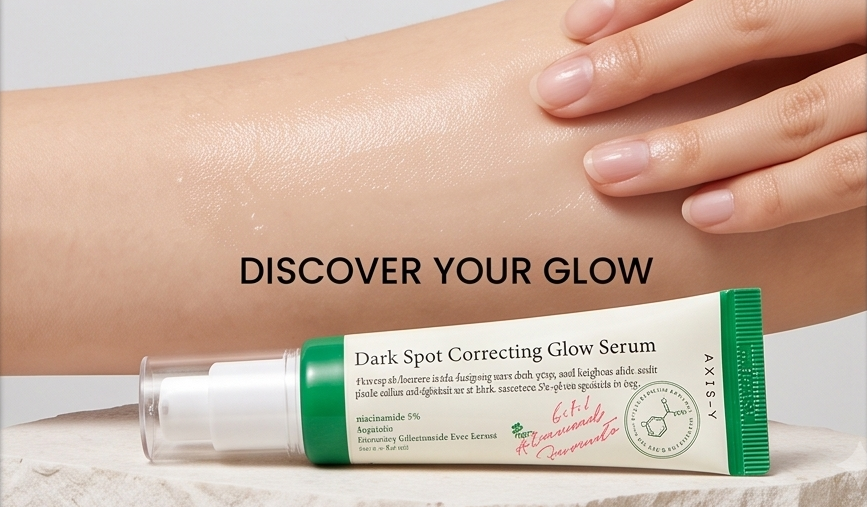
UV rays are the primary trigger for melanin production. Exposing unprotected skin to the sun will not only cause new dark spots to form but will also immediately darken the spots you are currently trying to treat. Furthermore, some brightening ingredients can make your skin slightly more sensitive to the sun. Making a broad-spectrum SPF a non-negotiable part of your morning routine is essential for any skincare routine for hyperpigmentation.
AXIS-Y Dark Spot Correcting Glow Serum: An Example
If you are looking for a gentle, effective starting point, the AXIS-Y Dark Spot Correcting Glow Serum 50ml is a highly regarded option that perfectly illustrates how these products are formulated to work.
Designed with acne-prone and sensitive skin in mind, this serum utilizes a carefully balanced formula to target uneven tone without causing irritation. Its star ingredient is Niacinamide (5%), which works to fade post-acne marks and improve overall skin texture.
What makes it a “glow” serum is its inclusion of hydrating and soothing plant extracts—such as squalane, calendula, and papaya extract. These ingredients work in harmony to support the skin’s moisture barrier, ensuring that as the dark spots fade, the skin is left looking plump, hydrated, and naturally radiant. It is an excellent example of a product that treats hyperpigmentation while supporting overall skin health.
How Long Does It Take to See Results?
When it comes to skincare for dark spots, patience is a requirement. Pigmentation forms deep within the skin, and it takes time for the damaged cells to naturally cycle out.
- 1 to 4 Weeks: You may notice your skin feels more hydrated, and your overall complexion looks slightly brighter and less dull.
- 4 to 8 Weeks: Lighter surface pigmentation, such as recent post-acne marks, will begin to visibly fade.
- 8 to 12+ Weeks: Stubborn, older dark spots and sun damage will start to lighten significantly.
Avoid products that promise overnight results—true, healthy skin brightening is a marathon, not a sprint.
Common Mistakes When Treating Dark Spots
To get the most out of your brightening serum, avoid these frequent pitfalls:
- Skipping Sunscreen: As mentioned, UV exposure undoes all the hard work your serum is doing.
- Over-Exfoliating: Using too many strong acids or scrubs in an attempt to “rub off” the dark spots will damage your skin barrier, leading to inflammation and, ironically, more hyperpigmentation.
- Inconsistency: Using a serum once a week will not yield results. Stick to daily application (or as directed by the product) for at least a few months.
- Mixing Conflicting Ingredients: Be careful when mixing high-strength actives. For example, using high-concentration Vitamin C alongside strong AHAs/BHAs or retinols in the exact same routine can cause irritation.
Frequently Asked Questions
Can I use a dark spot correcting serum every day?
Yes, most brightening serums, especially those formulated with gentle ingredients like niacinamide or alpha arbutin, are designed for daily use. Always read the specific instructions on your product’s packaging.
Do I apply a dark spot serum before or after moisturizer?
Always apply serums before your moisturizer. A good rule of thumb for skincare is to apply products from thinnest to thickest consistency.
Can dark spots be removed completely?
Many dark spots, especially recent post-acne marks, can fade entirely with consistent care. However, older sun damage or severe melasma may only lighten significantly rather than disappearing 100%.
Is a dark spot serum safe for acne-prone skin?
Absolutely. In fact, ingredients like niacinamide not only fade the marks left behind by breakouts but also help balance oil production and soothe active inflammation.
How is a glow serum different from a regular serum?
A “glow” serum usually incorporates deep hydrators (like squalane or hyaluronic acid) alongside brightening agents. This ensures that the skin reflects light beautifully, giving a radiant, healthy finish in addition to targeting pigmentation.
When should I see a dermatologist about my dark spots?
If your pigmentation is spreading rapidly, changing in size or color, feels itchy, or does not respond to over-the-counter treatments after several months, it is time to consult a board-certified dermatologist. They can provide prescription-strength treatments or rule out any underlying medical conditions.
Final Thoughts
Fading hyperpigmentation does not require harsh, skin-stripping chemicals. A well-formulated dark spot correcting glow serum can be a game-changer for your complexion, provided you pair it with patience, consistency, and daily sun protection.
By understanding the causes of uneven skin tone and looking for proven ingredients like niacinamide and vitamin C, you can build a skincare routine that not only fades stubborn marks but leaves your skin healthier and more radiant than before.


