
 Brands
 Best Selling
 Offer
Offer Combo
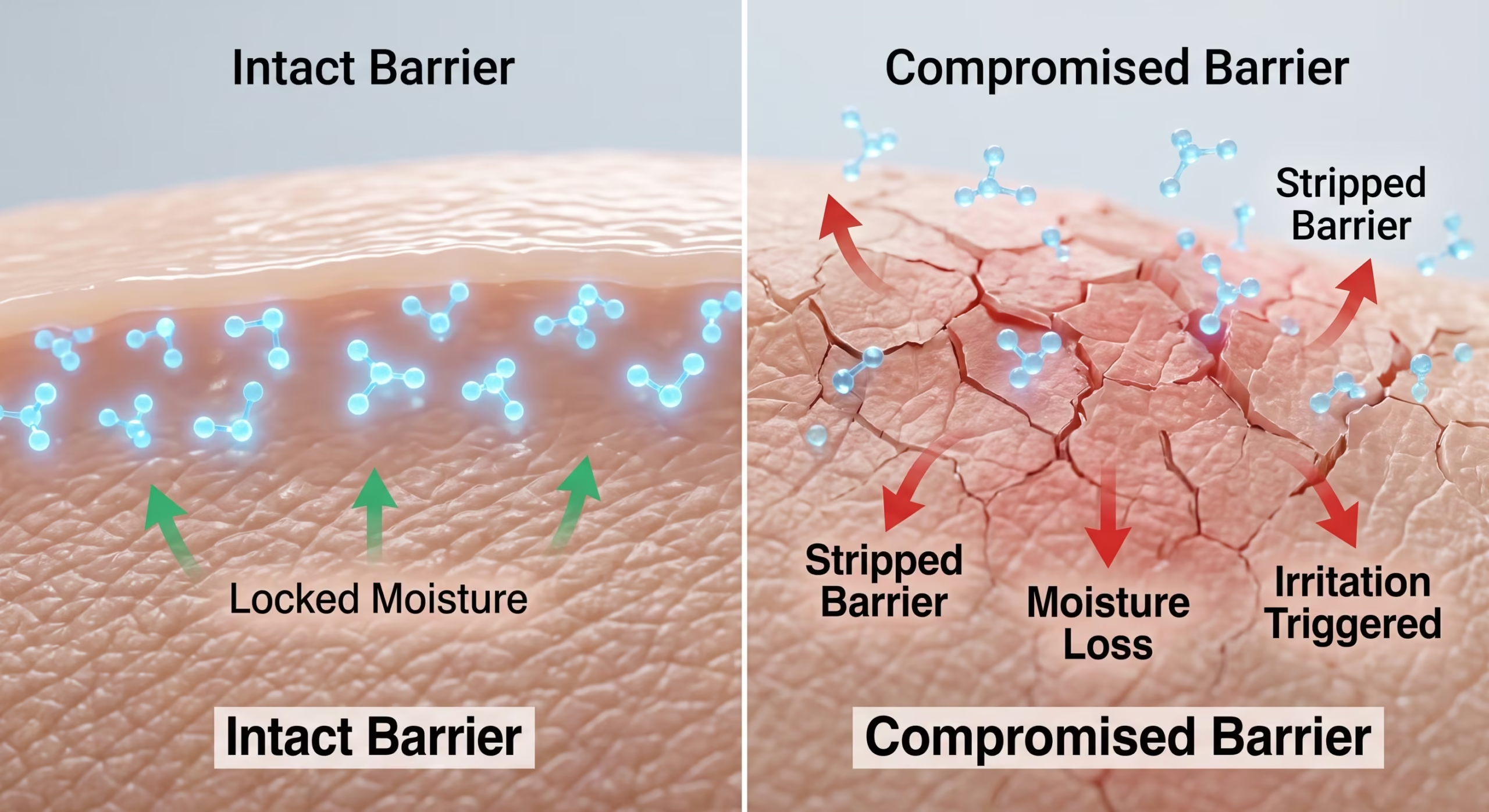
ComboNavigating the skincare aisle when you have acne-prone or sensitive skin can feel like walking a tightrope. On one hand, you need a cleanser that effectively removes dirt, oil, and impurities. On the other hand, you want to avoid anything that leaves your skin feeling excessively dry, tight, or irritated. It is a common misconception that acne-prone skin needs aggressive, “squeaky clean” washing. In reality, harsh cleansing can strip the skin barrier, potentially leading to more irritation and even triggering excess oil production.

This is where gentle skincare comes into the conversation. A gentle face wash is designed to clean the skin without causing unnecessary disruption to the skin barrier. In Simple Face Wash guide, we will explore the benefits, potential risks, and practical usage tips for using a gentle cleanser, specifically focusing on how products like Simple Face Wash fit into a daily routine for sensitive and breakout-prone skin types. Our goal is to provide balanced, evidence-aware information so you can make an informed decision for your unique complexion.
Is Simple Face Wash Suitable for Acne-Prone and Sensitive Skin?
Direct Answer: Yes, Simple Face Wash is generally considered suitable for both acne-prone and sensitive skin because it is formulated to be a gentle, non-stripping cleanser free from harsh chemicals, artificial perfumes, and dyes. However, suitability always depends on an individual’s specific skin triggers and personal tolerance.
While a gentle cleanser is an excellent foundational step in a skincare routine, it is important to remember that it is a cleanser, not an active medical acne treatment. People with sensitive or acne-prone skin often benefit from its mild approach because it cleanses the skin without compromising the delicate moisture barrier, allowing targeted acne treatments (applied afterward) to do their job with less risk of overall irritation.
What Makes a Face Wash Suitable for Sensitive or Acne-Prone Skin?
Not all cleansers are created equal. When skincare experts and beauty editors evaluate a face wash for sensitive skin or acne-prone skin, they look for specific formulation characteristics that prioritize skin comfort.
- Gentle Cleansing Agents (Surfactants): The ingredients that create lather and remove oil are called surfactants. Suitable cleansers use mild surfactants that lift dirt without completely stripping the skin’s natural lipids.
- Avoiding Excessive Stripping: If your skin feels tight or “squeaky” after washing, your cleanser is likely too harsh. A suitable face wash leaves the skin feeling clean but supple and hydrated.
- Fragrance Considerations: Artificial fragrances are a leading cause of contact dermatitis and irritation in sensitive skin types. Formulations designed for sensitive skin, such as the Simple Refreshing Face Wash, typically avoid artificial perfumes.
- Maintaining the Skin Barrier: The skin barrier (stratum corneum) is your first line of defense against bacteria and environmental aggressors. A compromised barrier can worsen both acne and sensitivity. Gentle cleansers help keep Simple Face Wash barrier intact.
- Non-Comedogenic Properties: While Simple Face Wash term is not strictly regulated, suitable cleansers are generally formulated without heavy, pore-clogging oils that could exacerbate breakouts.
Keep in mind that individual ingredient tolerance varies. Even the gentlest, most minimalist formulation can cause a reaction in someone who happens to have a specific allergy to one of its components.
Potential Benefits of Using a Gentle Face Wash
Incorporating a gentle face wash into your daily routine offers several benefits, particularly if you are trying to calm irritated or breakout-prone skin.
Removing Daily Impurities
The primary job of any facial cleanser is to remove dirt, sweat, excess sebum (oil), makeup, and residual sunscreen. A gentle face wash achieves Simple Face Wash without aggressive scrubbing, prepping your skin for the next steps in your routine.
Supporting a Skin-Barrier-Conscious Routine
Current dermatology guidance generally emphasizes protecting the skin barrier. A gentle cleanser respects the skin’s natural acid mantle (which has a slightly acidic pH). Maintaining Simple Face Wash balance helps keep moisture in and harmful irritants out.
Helping Avoid Excessive Cleansing
When a cleanser is gentle, you are less likely to experience the rebound effect where overly stripped skin overproduces oil to compensate for the sudden dryness, which can inadvertently lead to more clogged pores.
Improving Cleansing Comfort
For those with irritated skin or active breakouts, washing the face can sometimes sting or feel uncomfortable. A gentle, fragrance-free formula minimizes Simple Face Wash discomfort, making your daily skincare routine a soothing experience rather than a painful chore.
Note: It is vital to distinguish between the general benefits of gentle cleansing (like removing dirt and supporting the skin barrier) and specific clinical claims. A gentle cleanser provides a clean canvas; it does not magically heal damaged skin overnight.
Simple Face Wash and Acne-Prone Skin
To understand how a gentle cleanser fits into an acne-management plan, we must clarify the role of cleansing itself.
Cleansing vs. Treatment A cleanser can support good skincare hygiene, but cleansing alone is not an acne treatment. Acne is a complex condition caused by factors like excess sebum production, dead skin cell buildup, bacteria (Cutibacterium acnes), and inflammation.
Using a Simple Face Wash for acne-prone skin helps effectively remove surface oils and debris. Simple Face Wash is crucial because a clean face allows active, evidence-based acne treatments (such as salicylic acid, benzoyl peroxide, or prescription retinoids) to penetrate the skin more effectively. Furthermore, because acne treatments can be notoriously drying and irritating, using a harsh cleanser alongside them is a recipe for severe peeling and redness. A gentle cleanser acts as a calm, stabilizing step that offsets the intensity of active treatments.
Simple Face Wash and Sensitive Skin
For people with sensitive skin, the goal of cleansing is purely functional: clean the skin without triggering a flare-up.
- Skin Comfort: Sensitive skin has a lower threshold for irritation. Minimalist formulations are often preferred because fewer ingredients mean fewer potential triggers.
- Fragrance Sensitivity: Fragrance is one of the most common irritants in cosmetics. Opting for products free from artificial perfumes helps mitigate the risk of redness and itching.
- Temperature and Technique: Sensitive skin reacts poorly to extremes. Combining a gentle face wash with lukewarm water (never hot) and a soft touch is essential for keeping redness at bay.
Before committing to any new product, it is always a smart practice to perform a patch test on your jawline or the inside of your wrist to check for individual reactivity.
Potential Risks and Limitations
A well-rounded skincare discussion must acknowledge limitations. Do not assume that because a product is labeled “gentle,” it is a guaranteed success for every single person.
- Individual Ingredient Sensitivity: Even the safest, most widely tolerated ingredients can cause a reaction in a small percentage of users.
- Not a Standalone Acne Cure: Expecting a basic cleanser to treat acne on its own is a common mistake. If you have persistent breakouts, a gentle face wash is only step one; you will likely need targeted treatments to see clearing.
- Inadequate Makeup Removal: Extremely gentle, water-based cleansers sometimes struggle to remove heavy, waterproof makeup or tenacious physical sunscreens on their own. You may need to use a dedicated makeup remover or adopt a “double cleansing” method first.
- Dryness from User Error: Even a gentle cleanser can cause dryness if you over-wash your face (e.g., washing four times a day) or use scalding hot water.
How to Use Simple Face Wash Correctly
Proper technique is just as important as the product you choose. Here is how to wash acne-prone and sensitive skin to maximize benefits and minimize irritation:
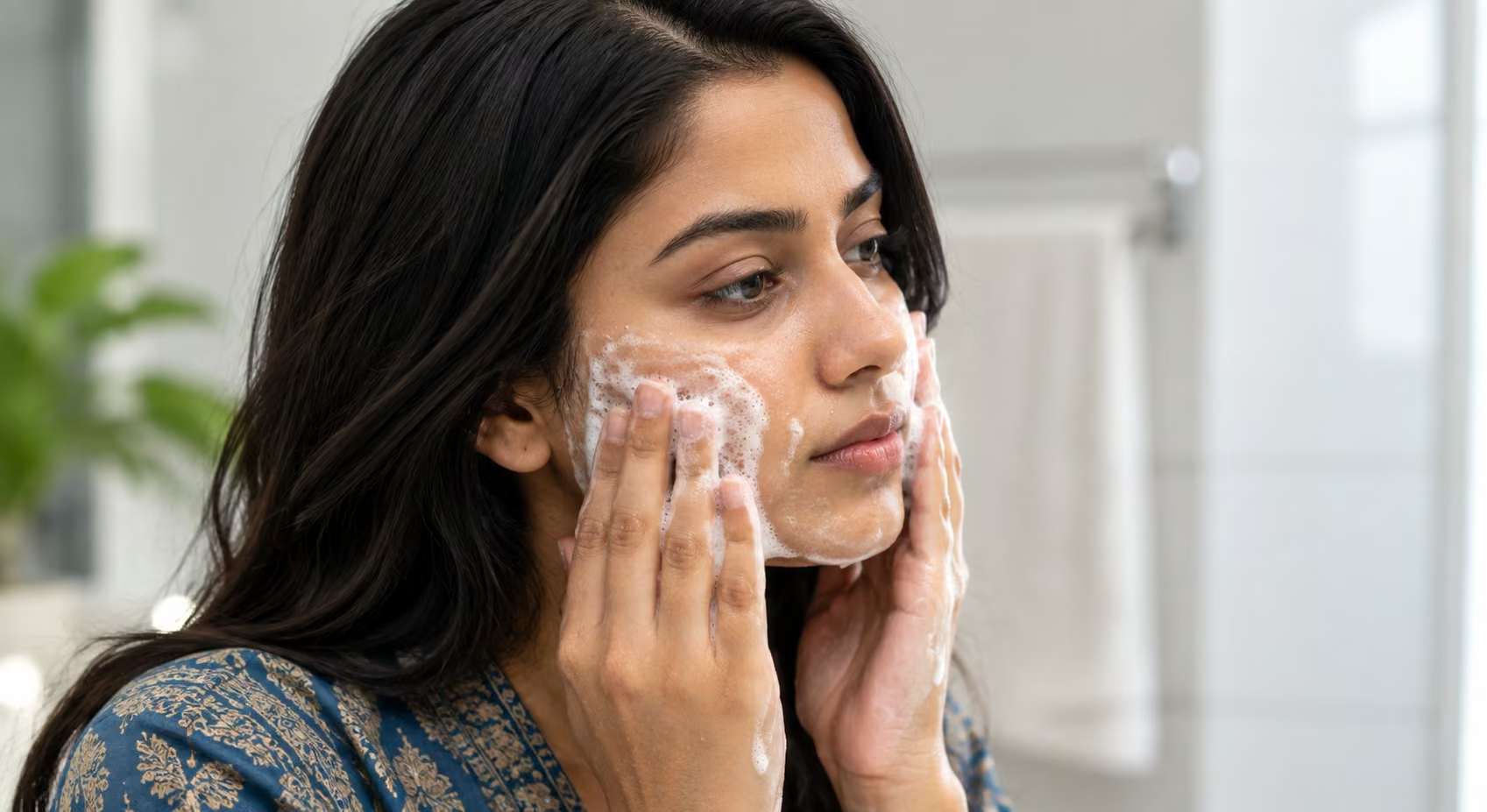
- Wash Your Hands First: Never cleanse your face with dirty hands, as Simple Face Wash can introduce new bacteria to acne-prone skin.
- Adjust Water Temperature: Wet your face with lukewarm water. Hot water strips natural oils and exacerbates redness, while ice-cold water is less effective at breaking down daily grime.
- Apply the Cleanser: Dispense an appropriate amount (usually a dime to nickel-sized drop) of Simple Face Wash into your wet palms.
- Massage Gently: Apply to your face using gentle, circular motions with your fingertips. Avoid aggressive scrubbing, abrasive washcloths, or harsh cleansing brushes, which can rupture acne lesions and spread bacteria.
- Cleanse for 30–60 Seconds: Give the cleanser enough time to break down dirt and oil without lingering so long that it dries out the skin.
- Rinse Thoroughly: Ensure no cleanser residue is left behind, particularly around the hairline and jawline.
- Pat Dry: Use a clean, soft towel to gently pat your skin dry. Never rub or drag the towel across your face.
- Follow Up Immediately: Apply your moisturizer (and targeted treatments, if using) within a minute of drying to lock in hydration.
How Often Should You Wash Acne-Prone or Sensitive Skin?
Dermatology guidance, including advice from organizations like the American Academy of Dermatology (AAD), generally recommends washing your face twice a day once in the morning and once at night as well as immediately after heavy sweating.
- Morning Cleansing: Removes the sweat, oil, and dead skin cells that accumulate overnight, alongside residue from your nighttime skincare products.
- Evening Cleansing: Crucial for removing sunscreen, makeup, pollution, and daily grime.
- Post-Workout: Sweat can trap bacteria inside pores, so a quick, gentle cleanse after exercise is highly recommended.
Washing more frequently than Simple Face Wash can strip the skin, leading to a compromised barrier, increased sensitivity, and potentially more breakouts.
Common Face-Washing Mistakes to Avoid
Even with the best gentle face wash, technique matters. Avoid these common pitfalls:
- Washing Too Frequently: As mentioned, stick to twice daily plus post-workout.
- Scrubbing Aggressively: Friction does not clear acne; it only causes inflammation.
- Using Very Hot Water: Heat causes vasodilation (increased blood flow), which makes sensitive skin look redder and feel more inflamed.
- Using Multiple Harsh Products: Using a harsh cleanser, an abrasive scrub, and a strong astringent toner in the same routine is a recipe for barrier disaster. Keep the cleansing step gentle.
- Ignoring Irritation: If your skin burns, stings, or feels tight for hours after washing, something in your routine needs to change.
- Expecting Cleanser Alone to Solve Acne: Cleansers wash down the drain. They cannot change the underlying hormonal or bacterial causes of acne.
How to Build a Simple Routine Around Face Wash
A minimalist skincare routine is often the most effective approach for sensitive and acne-prone skin. Here is a baseline routine you can build upon:
Morning Routine
- Cleanse: Use a gentle cleanser like Simple Face Wash (or just rinse with water if your skin is extremely dry/sensitive).
- Moisturize: Apply a lightweight, non-comedogenic moisturizer.
- Sunscreen: Apply a broad-spectrum SPF 30 or higher. (Crucial, as many acne treatments increase sun sensitivity).
Evening Routine
- Cleanse: Use your gentle face wash to remove the day’s buildup. (If wearing heavy makeup/SPF, consider removing it with micellar water first).
- Treat (If applicable): Apply your evidence-based acne treatment (e.g., salicylic acid or a prescription topical). Note: Acne treatments should be selected based on individual needs and professional guidance where appropriate.
- Moisturize: Apply a nourishing moisturizer to support overnight skin repair.
Who Should Be More Careful With Skincare Products?
While a gentle face wash is a safe starting point for most, certain skin conditions require a higher level of caution and professional oversight. You should seek advice from a qualified dermatologist or healthcare professional if you experience:
- Severe, Painful, or Cystic Acne: Deep, painful nodules under the skin rarely respond to over-the-counter topical routines alone and carry a high risk of scarring.
- Persistent Irritation: If everything you put on your face stings or causes redness, your skin barrier may be severely compromised.
- Frequent Allergic Reactions: Unexplained hives, severe itching, or swelling require medical diagnosis to identify specific allergens.
- Worsening Symptoms: If your acne or sensitivity suddenly becomes much worse despite using gentle products.
Do not attempt to replace prescribed acne treatments or medications with an over-the-counter cleanser.
Simple Face Wash Frequently Asked Questions
Is Simple Face Wash good for acne-prone skin?
Yes, it is considered good for acne-prone skin because it gently removes excess oil, dirt, and impurities without stripping the skin barrier. A healthy barrier is essential for managing acne and tolerating active acne treatments.
Is Simple Face Wash suitable for sensitive skin?
Yes. Formulations designed for sensitive skin typically omit harsh surfactants, artificial fragrances, and dyes common culprits for skin irritation and contact dermatitis.
Can a gentle face wash help acne-prone skin?
A gentle face wash helps acne-prone skin by maintaining good hygiene and preventing pore blockages caused by daily grime. However, it is a supportive step, not a direct cure or medical treatment for acne itself.
What are the risks of using the wrong face wash for sensitive skin?
Using a harsh face wash can strip the skin of its natural lipids, leading to a damaged skin barrier. Simple Face Wash can result in redness, stinging, flaking, tightness, and paradoxically, an increase in oil production and breakouts.
How often should you wash your face if you have acne?
Dermatologists generally recommend washing your face twice a day (morning and night) and immediately after heavy sweating.
Can washing your face too much make acne worse?
Yes. Over-washing strips the skin of its protective oils. In response, the skin may produce excess sebum to compensate, which can lead to more clogged pores and breakouts, alongside severe irritation.
Simple Face Wash Final Thoughts
Finding the right skincare balance doesn’t have to be complicated. For those navigating the frustrations of breakouts and reactivity, stepping back and adopting a minimalist, barrier-conscious routine is often the best strategy. A gentle facial cleanser for sensitive skin effectively bridges the gap cleaning away daily impurities without leaving the skin defenseless.
Remember that skincare is highly individual. Listen to your skin, wash with lukewarm water, avoid aggressive scrubbing, and remember that gentle consistency is key. If you are looking to explore gentle cleansing options for your daily routine, you can learn more about products like the Simple Refreshing Face Wash available at Modern Beauty BD. Always pair your cleanser with a supportive moisturizer and, when necessary, consult a dermatologist for persistent skin concerns.


