
 Brands
 Best Selling
 Offer
Offer Combo
ComboHave you ever washed your face, patted it dry, and immediately felt that uncomfortable, tight sensation pulling at your skin? That feeling is your skin’s moisture barrier signaling for help. While building a skincare routine can often feel overly complicated with endless serums and treatments, the foundation of healthy-looking skin relies on one non-negotiable step: effective daily hydration.
What is NIVEA Soft Cream?
NIVEA Soft Cream is a lightweight, multipurpose daily moisturizer formulated for use on the face, body, and hands. Blended with Jojoba Oil and Vitamin E, it is designed to deliver fast-absorbing, water-based hydration that refreshes the skin without leaving a heavy or greasy residue. It functions primarily to replenish moisture and support the skin’s everyday softness.
Understanding how to keep your skin hydrated is essential for maintaining its resilience and texture. Whether you are dealing with environmental stressors, seasonal shifts, or just the after-effects of your daily cleanser, finding a reliable moisturizer is the cornerstone of any effective routine.
What Is NIVEA Soft Cream?
NIVEA Soft Cream is a versatile moisturizing cream created as a lighter, more refreshing alternative to traditional, heavy cold creams. Unlike deeply occlusive ointments that sit heavily on the skin’s surface, this formulation is an oil-in-water emulsion. This means that water is the primary carrier, allowing the hydrating ingredients to absorb rapidly.
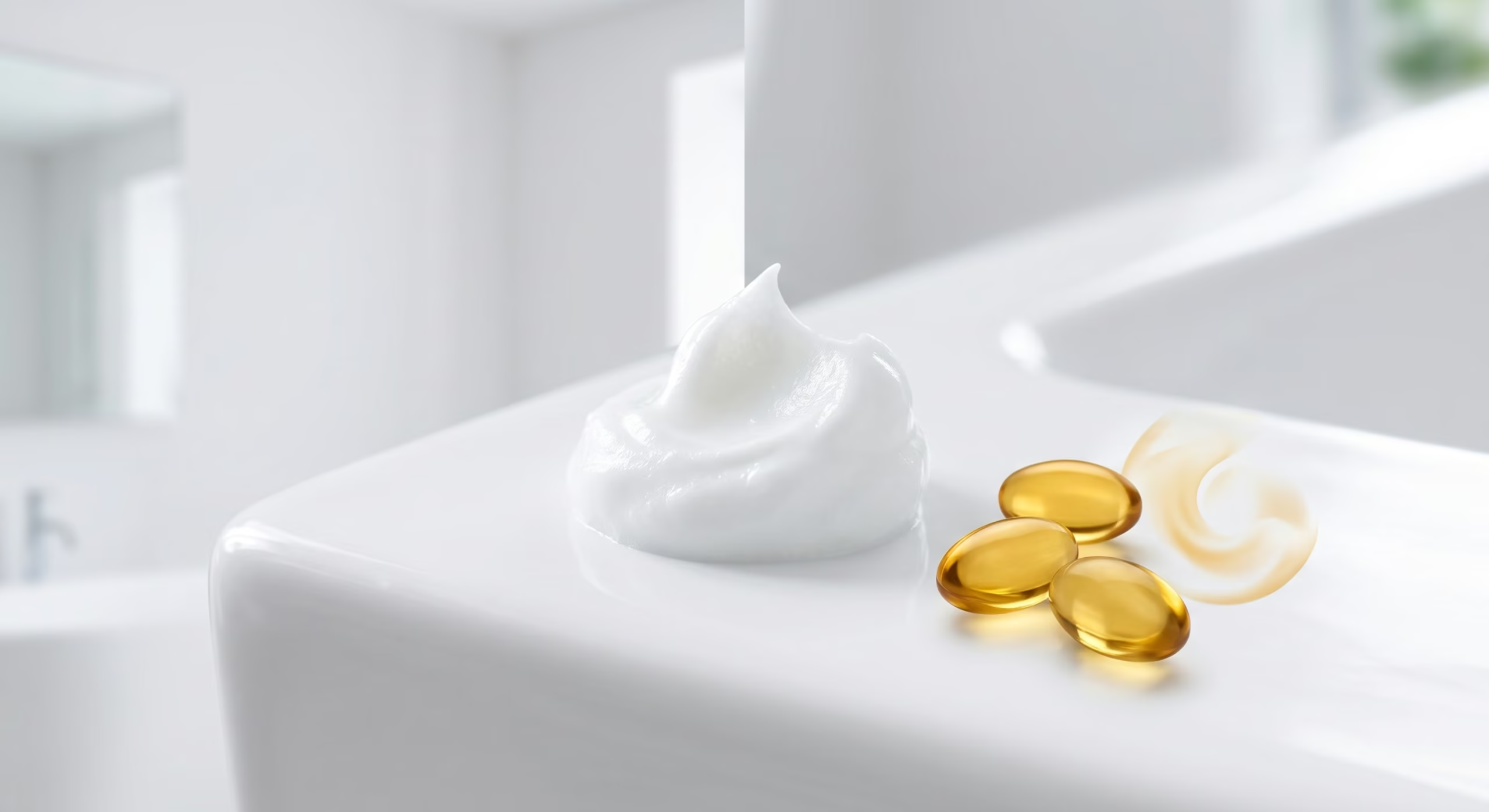
The product is designed to be a universal moisturizer, meaning it can be kept on a bathroom counter for facial hydration, carried in a bag for dry hands, or used on the body after a shower. Its signature characteristic is its whipped, airy texture that cools the skin upon application and disappears quickly, leaving behind a soft, smooth finish rather than a sticky film.
Why Is Daily Moisturization Important?
To understand why a daily moisturizer is necessary, it helps to understand how the skin operates. The outermost layer of your skin, the stratum corneum, acts as a protective brick-and-mortar wall. The “bricks” are skin cells, and the “mortar” consists of natural lipids, ceramides, and water. This barrier keeps irritants out and vital moisture in.
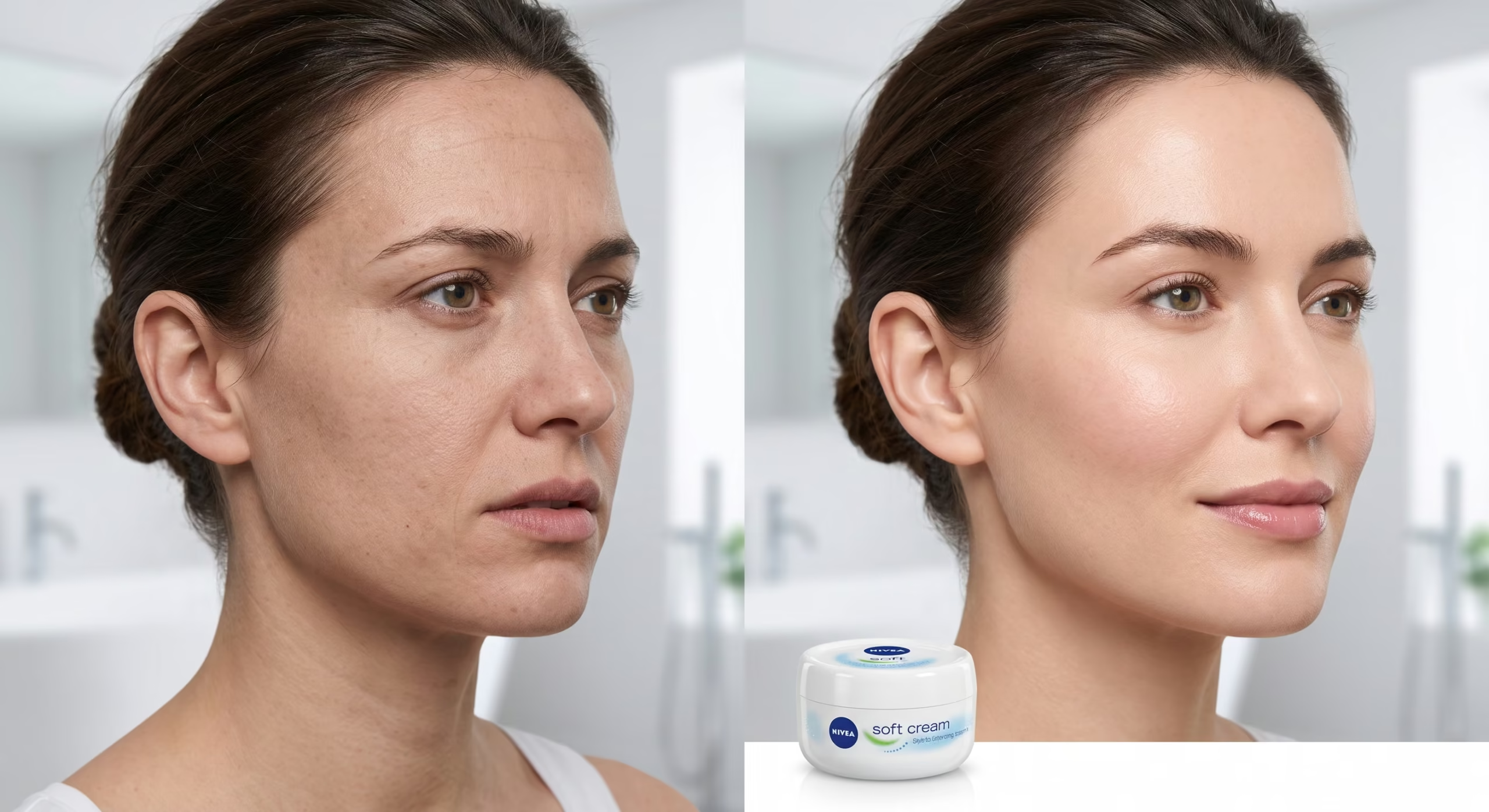
Throughout the day, your skin experiences Transepidermal Water Loss (TEWL), a natural process where water evaporates from the skin into the air. When the skin barrier is compromised, TEWL accelerates, leading to dryness, flakiness, and a dull appearance.
Moisturizers perform three essential jobs to combat this:
- Humectants draw water into the outer layer of the skin.
- Emollients fill in the micro-gaps between skin cells to smooth the skin’s texture.
- Occlusives form a protective seal over the skin to trap that moisture inside.
Factors such as hot showers, harsh soaps, indoor air conditioning, and UV exposure actively strip away the skin’s natural oils. According to the American Academy of Dermatology (AAD)
, applying a moisturizer daily traps water in the skin, which can reduce the appearance of fine lines and soothe dry patches. By replenishing this hydration daily, you help maintain a healthy, functioning skin barrier.
What Makes NIVEA Soft Cream a Daily Moisturizer?
A product designed for daily use needs to balance efficacy with practicality. Heavy night creams are excellent for deep repair, but they are often too greasy for daytime wear, especially under makeup or sunscreen. Conversely, ultra-light gels might absorb instantly but fail to provide lasting comfort throughout a long day.
NIVEA Soft strikes a balance by utilizing a lightweight emulsion that integrates easily into daily life. What makes it practical for everyday use is its rapid absorption rate. You can apply it to your face, wait a few moments, and proceed immediately with sunscreen application. It doesn’t pill (roll up into tiny balls) under other skincare products, and it doesn’t leave hands feeling too slippery to turn a doorknob or type on a keyboard.
NIVEA Soft Cream Benefits: What Can You Reasonably Expect?
When setting expectations for any skincare product, it is important to separate marketing myths from biological reality. A moisturizer will not permanently alter your skin type or cure underlying dermatological conditions. However, when using NIVEA Soft Cream consistently, you can reasonably expect:
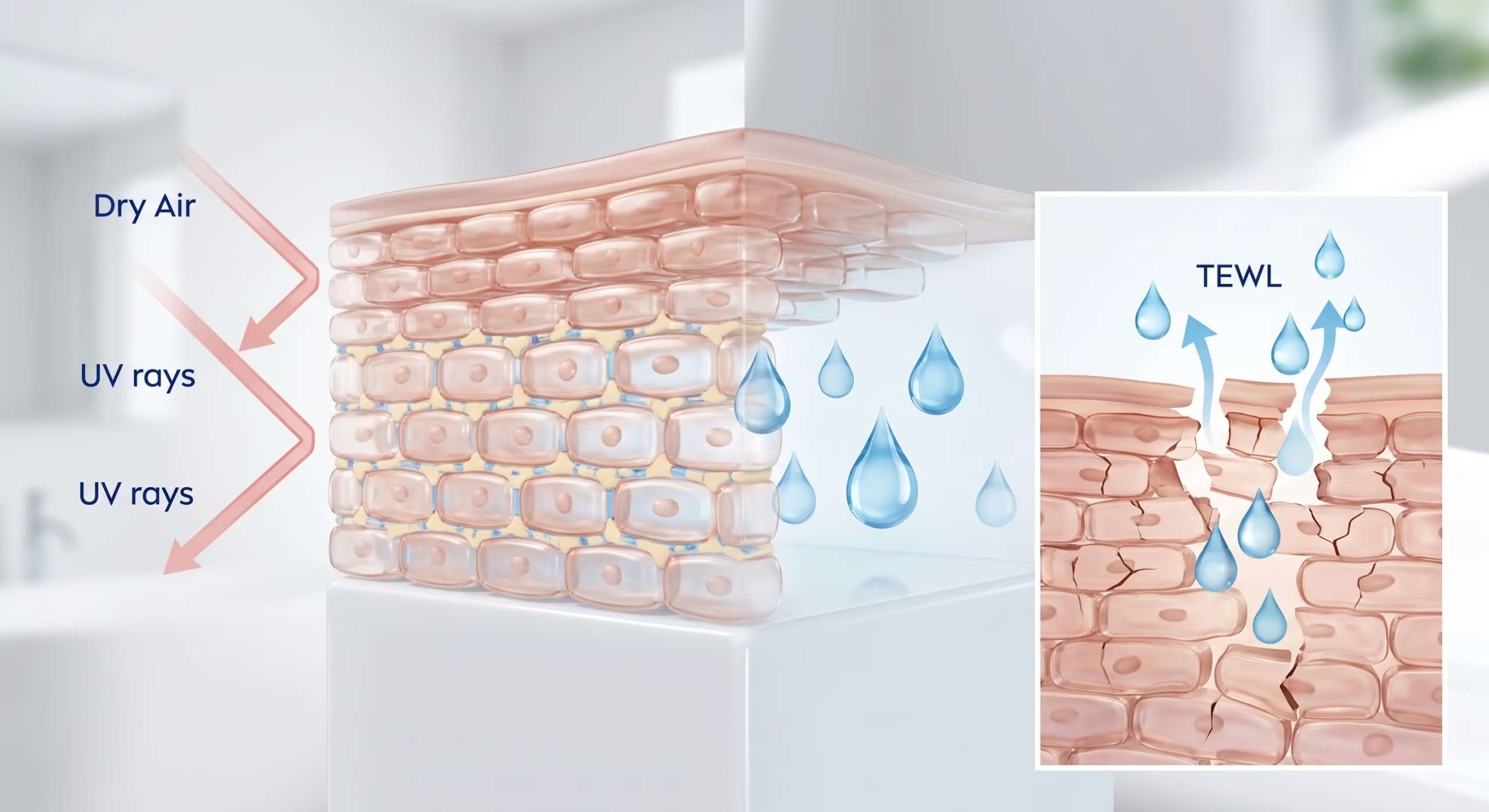
- Immediate Relief from Tightness: The water-based formula provides an instant cooling and soothing effect on freshly washed, tight skin.
- Improved Skin Texture: The emollients in the cream smooth out rough, flaky patches, making the skin feel noticeably softer to the touch.
- Plumper Appearance: Hydrated skin naturally looks more voluminous and radiant than dehydrated skin, temporarily minimizing the appearance of superficial dehydration lines.
- Versatility: The convenience of using a single product for hands, face, and body without needing multiple specialized jars.
NIVEA Soft Cream Ingredients
The performance of nivea soft cream is driven by a straightforward blend of hydrating and skin-conditioning ingredients. While formulations can occasionally update, the core identity of the product relies on two widely recognized skincare ingredients:
Simmondsia Chinensis Seed Oil (Jojoba Oil)
Jojoba oil is a highly stable botanical extract that closely mimics the human skin’s natural sebum (oil). Because of this biomimetic property, it acts as a highly effective emollient. It helps to smooth the skin, repair a compromised barrier, and soften rough patches without clogging pores as aggressively as heavier oils might.
Tocopheryl Acetate (Vitamin E)
Vitamin E is a potent antioxidant naturally found in the skin. In skincare formulas, it serves a dual purpose: it helps to neutralize environmental free radicals that contribute to premature skin aging, and it acts as a moisturizing agent that helps strengthen the skin barrier.
Glycerin
Often the unsung hero of skincare, Glycerin is a powerful humectant. It attracts moisture from the air and deeper layers of the skin, pulling it into the outermost layer to keep the skin thoroughly hydrated.
Can NIVEA Soft Cream Be Used on the Face?
One of the most common questions regarding multipurpose creams is whether they are truly suitable for facial application. The short answer is yes, NIVEA Soft Cream is formulated to be used on the face. However, as with any skincare product, individual skin types will dictate the experience.
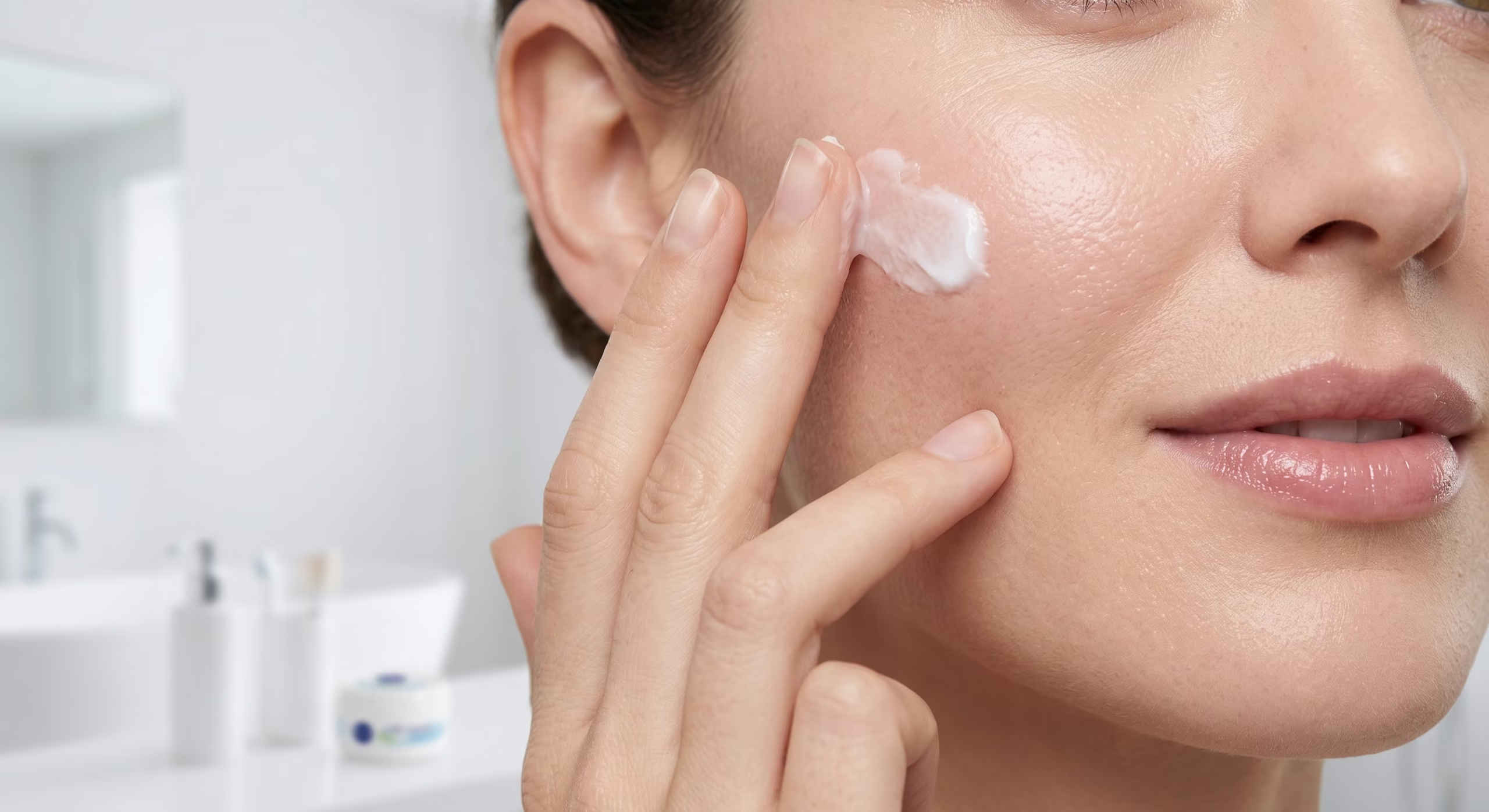
Facial skin is generally thinner and has a higher density of sebaceous (oil) glands than the skin on your body. Because NIVEA Soft is lighter than traditional thick body creams, many people use it on their face with excellent results, enjoying the soft, primed finish it leaves behind.
That being said, skincare is highly personal. If you have highly reactive, sensitive, or severely acne-prone skin, it is always recommended to patch-test any new moisturizer on a small area of your jawline for a few days before applying it to your entire face.
Is NIVEA Soft Cream Suitable for Dry Skin?
People with dry skin naturally produce less sebum, meaning their skin barrier struggles to retain moisture. For normal to dry skin types, NIVEA Soft provides a refreshing surge of hydration that easily alleviates daily dryness, tightness, and mild flaking.
However, it is important to note the spectrum of dry skin. If you suffer from severely dry, cracked, or compromised skin, you may eventually require a heavier ointment or a highly occlusive cream (like the original NIVEA Creme in the blue tin) to create a stronger physical barrier. For standard daily maintenance of dry skin, NIVEA Soft is an excellent, comfortable option that won’t feel suffocating.
Who Might Consider Using a Daily Moisturizer?
A common misconception is that only people with visible flaking need moisturizer. In reality, nearly all skin types benefit from daily hydration, though the reasons vary:
- Normal Skin: Benefits from maintaining its natural balance and protecting against environmental stressors.
- Dry Skin: Requires external moisture to make up for a lack of natural lipid production, smoothing rough texture and preventing tightness.
- Combination Skin: Can benefit from a lightweight formula that hydrates dry zones (like cheeks) without excessively greasing up the T-zone (forehead, nose, chin).
- Oily Skin: Needs hydration too. When oily skin becomes dehydrated from harsh cleansers, it often overcompensates by producing even more oil. A light moisturizer helps signal to the skin that it is adequately hydrated.
- Sensitive Skin: Requires a healthy barrier to defend against irritants. Hydration is key to keeping the skin resilient, though fragrance-free options are sometimes preferred for extreme sensitivity.
How to Use NIVEA Soft Cream in a Simple Skincare Routine
Consistency is more important than complexity when it comes to skincare. You do not need a ten-step regimen to achieve healthy skin. Here is how you can effectively incorporate a daily moisturizer into a straightforward routine:
Morning Routine:
- Cleanse: Wash your face with a gentle cleanser or just splash with lukewarm water to remove overnight impurities.
- Apply to Damp Skin: While your skin is still slightly damp (not dripping wet), apply a dime-sized amount of NIVEA Soft Cream. Applying moisturizer to damp skin helps lock in the existing water.
- Massage: Gently massage the cream upward and outward until fully absorbed.
- Sun protection: Always follow up with a broad-spectrum sunscreen. Moisturizer does not replace the need for SPF.
Evening Routine:
- Cleanse: Thoroughly wash away makeup, sunscreen, and daily grime.
- Treat (Optional): Apply any targeted serums or treatments you use.
- Moisturize: Apply a slightly more generous layer of the cream to lock in moisture overnight while your skin repairs itself.
How Bangladesh’s Climate Can Affect Your Moisturizer Routine
Your environment plays a massive role in how your skin behaves and what type of hydration it requires. In Bangladesh, the climate shifts between intensely humid, hot monsoons and cooler, drier winters.

During the hot and humid months, the air is saturated with moisture. You may sweat more, making heavy creams feel suffocating. During this time, a lightweight, fast-absorbing product like NIVEA Soft is often preferred because it hydrates without contributing to a heavy, sweaty feeling on the face.
Conversely, during the dry winter months, humidity drops significantly. This pulls moisture out of the skin. Additionally, frequent exposure to indoor air conditioning year-round strips the air—and subsequently your skin—of natural moisture. You may find yourself needing to apply moisturizer both in the morning and evening during winter, or layering it slightly thicker to combat the drying effects of AC.
Common Mistakes When Using Moisturizer
Even with a high-quality product, improper application can limit its effectiveness. Avoid these common moisturizing pitfalls:
- Applying to Bone-Dry Skin: Waiting until your skin is completely dry allows moisture to evaporate. Apply your cream within a minute of towel-drying to trap water in the skin.
- Using Too Much Product: Slathering on a thick layer doesn’t equal more hydration; it usually just results in a greasy finish and clogged pores. Start with a small amount and add more only if needed.
- Skipping Moisturizer Because You Are Oily: Skipping hydration usually causes oily skin to produce more sebum to compensate for the dehydration.
- Applying in the Wrong Order: Skincare should generally be applied from the thinnest texture to the thickest. Ensure your moisturizer goes on after watery serums but before heavy oils or sunscreen.
- Relying on Moisturizer for Sun Protection: Unless a daily moisturizer is explicitly labeled with broad-spectrum SPF, it offers no protection against UV damage.
Where to Find NIVEA Soft Cream in Bangladesh
When building your skincare routine, ensuring you purchase authentic products from reputable retailers is vital for your skin’s health. You can explore the broader skincare and face care collections available at Modern Beauty BD to find products suited to your specific needs.
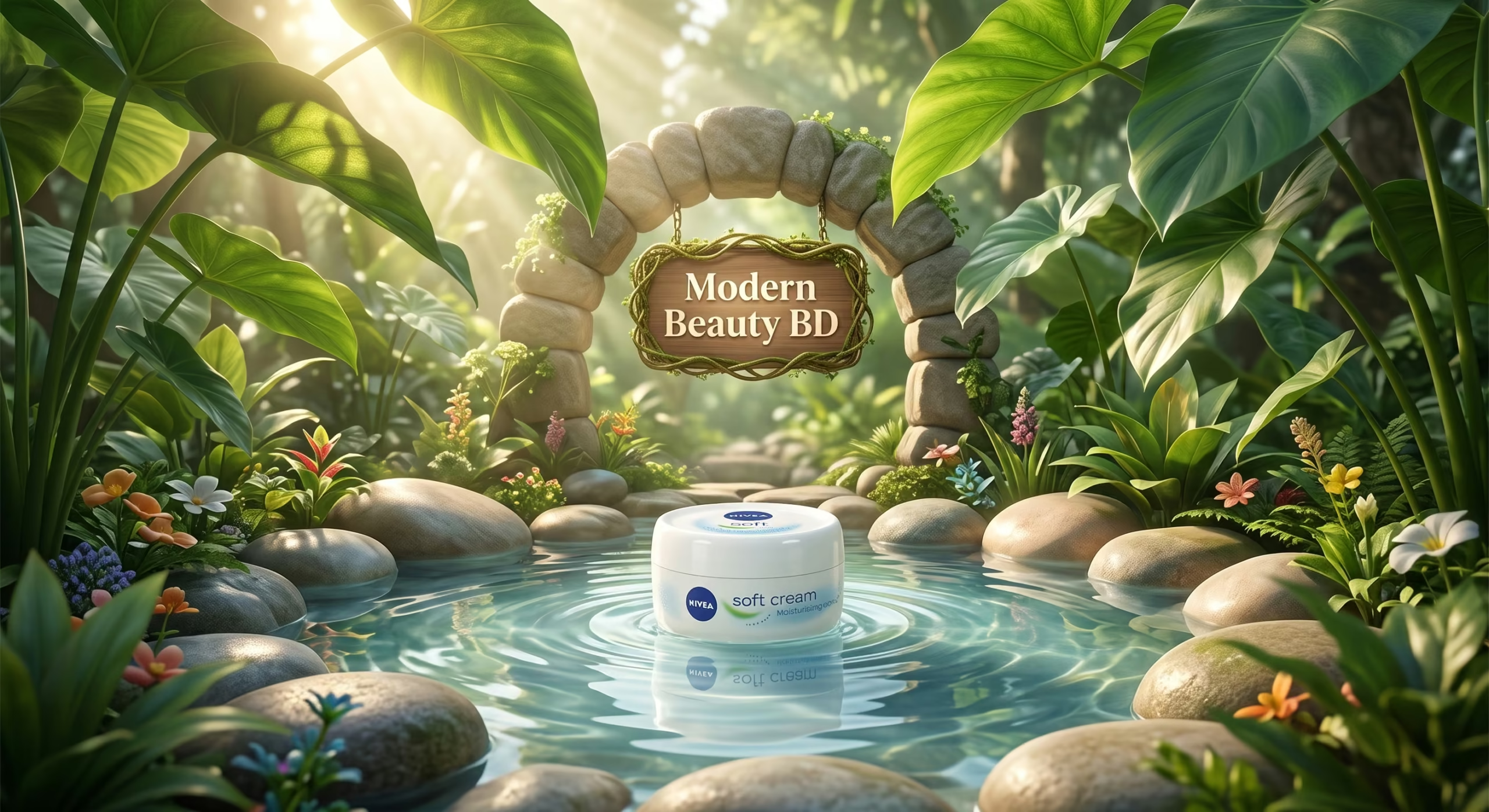
If you are looking to incorporate this exact lightweight hydration into your daily regimen, you can find the authentic NIVEA Soft Moisturising Cream (50ml Jar)
directly through their platform, making it easy to keep your skin refreshed and moisturized year-round.
Frequently Asked Questions (FAQs)
What is NIVEA Soft Cream used for?
It is a multipurpose, lightweight moisturizer used to hydrate and soften the face, body, and hands. It absorbs quickly to alleviate dryness and improve skin texture without leaving a greasy residue.
Is NIVEA Soft Cream a moisturizer?
Yes, it is an oil-in-water emulsion moisturizer that utilizes humectants like glycerin and emollients like jojoba oil to attract and seal moisture into the skin.
Can NIVEA Soft Cream be used on the face?
Yes, it is formulated to be light enough for facial application. However, individuals with very sensitive or highly acne-prone skin should consider patch-testing first to ensure it suits their specific skin profile.
Is NIVEA Soft Cream good for dry skin?
It is highly effective for normal to dry skin types, providing immediate, cooling hydration. Those with severely dry or cracked skin might need a thicker, more occlusive cream for intensive repair.
Can NIVEA Soft Cream be used every day?
Absolutely. It is specifically designed for daily use. Regular, daily application is recommended to maintain a healthy skin barrier and prevent water loss.
When should I apply moisturizer?
The best time to apply moisturizer is immediately after cleansing or showering, while the skin is still slightly damp. This traps the maximum amount of water in the skin.
How much moisturizer should I use?
For the face, a dime-sized or pea-sized amount is usually sufficient. You can add a little more if your skin still feels tight. For the body, use enough to create a thin, even layer that absorbs easily.
How do I choose the right moisturizer for my skin?
Consider your skin type and the climate. Lightweight emulsions or gels are great for oily skin or humid weather, while thicker creams or ointments are better suited for dry skin and harsh, cold climates.


