
 Brands
 Best Selling
 Offer
Offer Combo
ComboSunscreen Buying Guide for First-Time Users
Building a skincare routine can feel overwhelming, especially when you are just starting out. You have likely heard from friends, family, and beauty experts that wearing sunscreen is the single most important step in any skincare regimen. But when you finally decide to Sunscreen Buying Guide one, you are hit with a wall of confusing terminology: SPF, PA++++, broad-spectrum, mineral, chemical, and an endless variety of textures.
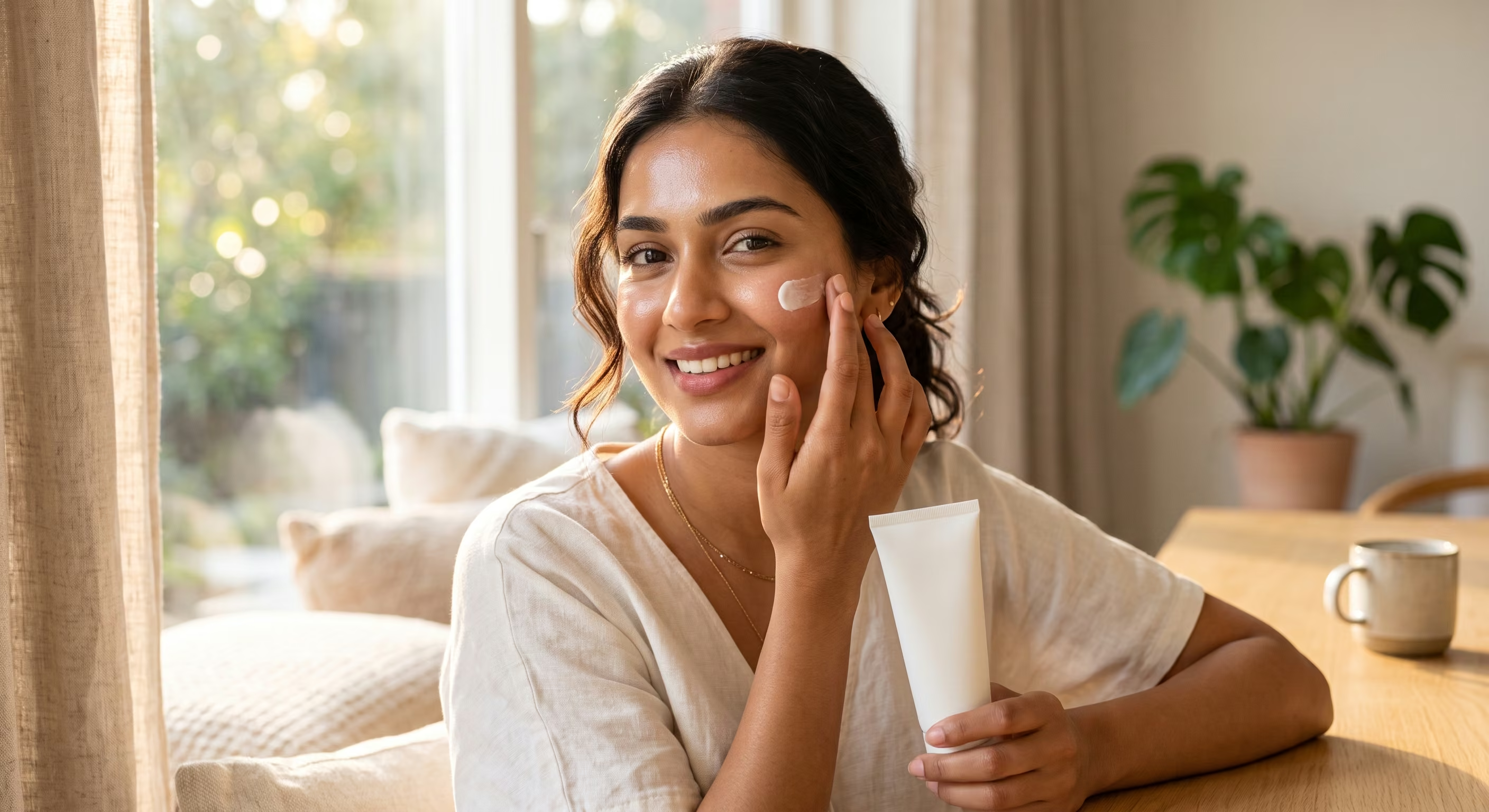
Adding to the confusion is the unique climate of Bangladesh. With intense heat, high humidity, and strong sun exposure, finding the best Sunscreen Buying Guide that feels comfortable on the skin while providing adequate protection is a challenge.
If you are a beginner looking to make your first smart skincare purchase, this comprehensive Sunscreen Buying Guide is for you. We will break down exactly how sunscreen works, how to choose the right one for your specific skin type, and how to evaluate the sunscreen price in BD so you can find a product that fits both your lifestyle and your budget.
Why Should You Wear Sunscreen Every Day?
Before diving into which product to buy, it is crucial to understand why you are buying it. The sun emits ultraviolet (UV) radiation, which is responsible for the vast majority of visible skin aging and skin damage.
According to the World Health Organization (WHO), prolonged exposure to solar UV radiation has severe health implications for the skin, eyes, and immune system.
Here is what daily sun protection helps prevent:
- Premature Aging: UV rays break down collagen and elastin, leading to fine lines, wrinkles, and sagging skin.
- Hyperpigmentation: Unprotected sun exposure triggers melanin production, causing dark spots, uneven skin tone, and worsening existing conditions like melasma or acne scars.
- Sunburn: Acute overexposure causes painful, red, and peeling skin.
- Skin Cancer: Consistent sun protection significantly lowers the risk of developing various types of skin cancer.
Skipping sunscreen renders the rest of your skincare routine nearly useless. If you are using serums to fade dark spots but stepping out into the Dhaka sun without SPF, the sun will simply undo your hard work.
What Do SPF and PA Actually Mean?
When shopping for sunscreen, you will immediately notice two prominent ratings on the packaging: SPF and PA. Here is a simple breakdown of what they mean.
1. Understanding SPF (Sun Protection Factor)
SPF measures how well a sunscreen protects your skin from UVB rays, which are the rays that cause sunburn and contribute to skin cancer.
- SPF 15 blocks about 93% of UVB rays.
- SPF 30 blocks about 97% of UVB rays.
- SPF 50 blocks about 98% of UVB rays.
2. Understanding the PA Rating
While SPF measures UVB protection, the PA rating system (Protection Grade of UVA) measures a sunscreen’s ability to block UVA rays. UVA rays penetrate deeper into the skin and are the primary culprits behind premature aging and hyperpigmentation (remember: UVB = Burning, UVA = Aging).
- PA+: Some UVA protection.
- PA++: Moderate UVA protection.
- PA+++: High UVA protection.
- PA++++: Extremely high UVA protection.
3. Broad-Spectrum Protection
You should always look for a sunscreen labeled “Broad-Spectrum.” This term guarantees that the product has been tested and proven to protect against both UVA and UVB rays.
SPF 30 vs SPF 50: Which One Should a Beginner Choose?
A common beginner dilemma is whether to buy SPF 30 or SPF 50. You might assume that SPF 50 offers nearly double the protection of SPF 30, but as we saw above, the difference in UVB blockage is only 1% (97% vs. 98%).
The American Academy of Dermatology (AAD) recommends using a broad-spectrum sunscreen with an SPF of 30 or higher.
So, which should you choose?
- Choose SPF 30 if: You spend most of your day indoors (like an office or classroom) and only experience incidental sun exposure during your commute.
- Choose SPF 50 if: You are spending extended time outdoors, playing sports, traveling, or if you have a history of severe hyperpigmentation and need maximum protection.
Chemical vs. Mineral Sunscreen
Sunscreens use different active ingredients to protect your skin. They are generally categorized into two types: chemical and mineral (physical).
| Feature | Mineral (Physical) Sunscreen | Chemical Sunscreen |
| How it works | Sits on top of the skin and reflects/scatters UV rays like a shield. | Absorbs into the skin, converts UV rays into heat, and releases them. |
| Key Ingredients | Zinc Oxide, Titanium Dioxide. | Avobenzone, Oxybenzone, Octinoxate, Homosalate. |
| Texture & Finish | Often thicker; can leave a white cast, especially on brown skin tones. | Generally lightweight, transparent, and easier to blend. |
| Best For | Sensitive skin, babies, and acne-prone skin (less likely to irritate). | Oily skin, those who want an invisible finish, and water-resistant needs. |
Many modern formulations in Bangladesh are “hybrid” sunscreens, combining both chemical and mineral filters to offer lightweight textures with minimal white cast and high protection.
How to Choose Sunscreen for Your Skin Type
Using the wrong sunscreen for your skin type is the number one reason sunscreen for beginners give up on sun protection. A thick, greasy cream on oily skin in the middle of a hot, humid Bangladeshi summer is a recipe for disaster.
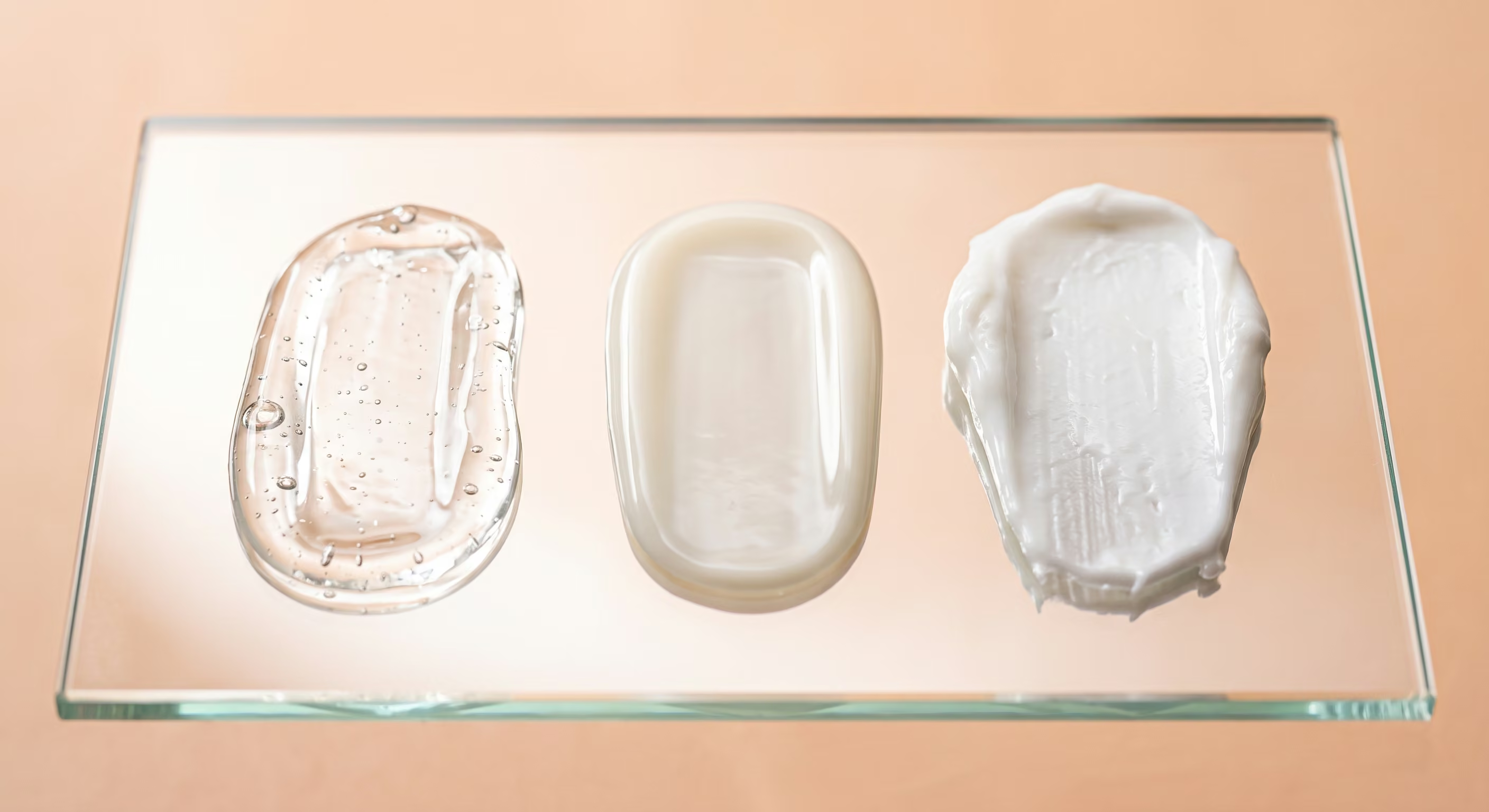
- Oily Skin: Look for terms like “matte,” “oil-free,” “gel,” or “water-based.” Gel sunscreens absorb instantly and won’t leave you looking shiny.
- Dry Skin: Opt for “cream” or “lotion” textures containing hydrating ingredients like hyaluronic acid, ceramides, or glycerin.
- Combination Skin: Lightweight lotions or fluid milks work best, balancing hydration without making the T-zone greasy.
- Sensitive Skin: Stick to mineral sunscreens (Zinc Oxide/Titanium Dioxide) and avoid products with heavy artificial fragrances or essential oils.
- Acne-Prone Skin: Look for “non-comedogenic” on the label, which means the formula has been tested to ensure it will not clog your pores.
Best Sunscreen in Bangladesh Weather Fighting Humidity and Heat
The climate in Bangladesh dictates your skincare routine. During the hot and humid months, you sweat more, which can easily wash away standard sunscreens.
When choosing a product for this climate:
- Prioritize Water/Sweat Resistance: If you commute via public transport or walk outdoors, a sweat-resistant formula is essential.
- Focus on Texture: Heavy creams will feel suffocating. Emulsions, essences, and watery gels are highly preferred in South Asian climates because they allow the skin to breathe.
- Matte Finishes: A sunscreen that controls sebum (oil) production will help your face look fresh, rather than sweaty, throughout the day.
How Much Sunscreen Should You Apply?
Applying sunscreen incorrectly is a widespread beginner mistake. If you apply too little, an SPF 50 sunscreen might only give you the protection of an SPF 10.
The Golden Rule: You need approximately 2 milligrams of sunscreen per square centimeter of skin.
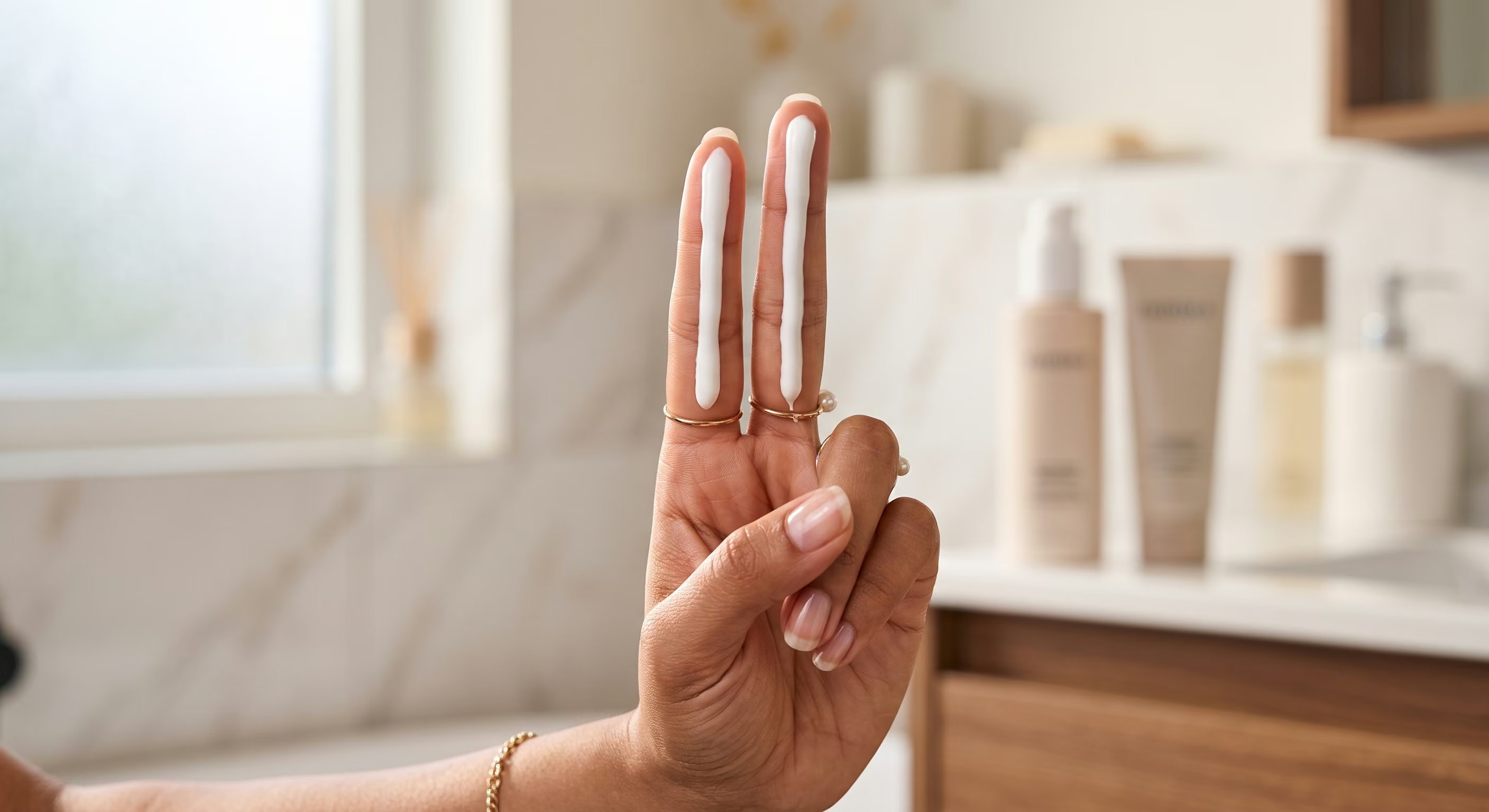
Since measuring milligrams is impractical, dermatologists recommend the “Two-Finger Method.”
- Squeeze a line of sunscreen along the entire length of your index finger.
- Squeeze a second line along the entire length of your middle finger.
- Apply this amount generously to your face, neck, and ears.
When and How Often Should You Reapply?
Sunscreen is not a “set it and forget it” product. The protective filters degrade after exposure to UV light, and the product naturally rubs off when you touch your face or sweat.
- The 2-Hour Rule: If you are actively outdoors in the sun, you must reapply your sunscreen every two hours.
- After Sweating or Swimming: Reapply immediately after toweling off, even if it has been less than two hours.
- Indoor Office/Home: If you apply it in the morning and sit away from windows all day, a single midday reapplication is usually sufficient.
Common Sunscreen Mistakes Beginners Make
Avoid these frequent pitfalls when starting your sunscreen journey:
- Only wearing it when it’s sunny: Up to 80% of UV rays can penetrate through clouds. You need sunscreen on cloudy, rainy, and foggy days.
- Forgetting the neck and ears: Your neck ages just as fast as your face. Extend your application downwards.
- Mixing sunscreen with moisturizer or makeup: Mixing dilutes the SPF filters and creates gaps in your protection. Apply skincare layers sequentially.
- Not waiting before going outside: Chemical sunscreens need about 15 to 20 minutes to bind to your skin and become fully effective.
- Relying on makeup for SPF: A foundation with SPF 15 is not enough. You would need to apply a thick, cakey layer of foundation to get the advertised protection. Always use a dedicated sunscreen underneath.
Sunscreen Price in BD Why Do Prices Vary?
When you start shopping, you will notice that the sunscreen price in BD can range from a few hundred taka to several thousand taka. For a Sunscreen Buying Guide beginner, it can be confusing to know if an expensive sunscreen is actually worth the investment.
Here are the primary factors that influence the price:
- Formulation Elegance: Cheaper sunscreens often feel heavy, greasy, or leave a white cast. Premium sunscreens invest heavily in research and development to create “cosmetically elegant” formulas—meaning they apply like a luxury serum, absorb instantly, and leave no white residue.
- Advanced UV Filters: Newer generation UV filters (common in Korean and European sunscreens) offer better photostability and are less irritating to the eyes and skin, but they cost more to manufacture.
- Added Skincare Benefits: Sunscreens formulated with premium added ingredients like Niacinamide, Centella Asiatica (Cica), or Hyaluronic Acid will naturally be priced higher, as they act as a moisturizer, serum, and sunscreen in one.
- Import Costs & Authenticity: High-quality international brands carry import duties. It is vital to buy from reliable sources to avoid counterfeit products, which are unfortunately common and offer zero sun protection.
Is expensive always better? Not necessarily. The Best sunscreen in Bangladesh is the one you can afford to apply generously and consistently every single day.
How to Choose the Right Sunscreen for Your Lifestyle
To make your purchasing decision easier, consider your daily routine :
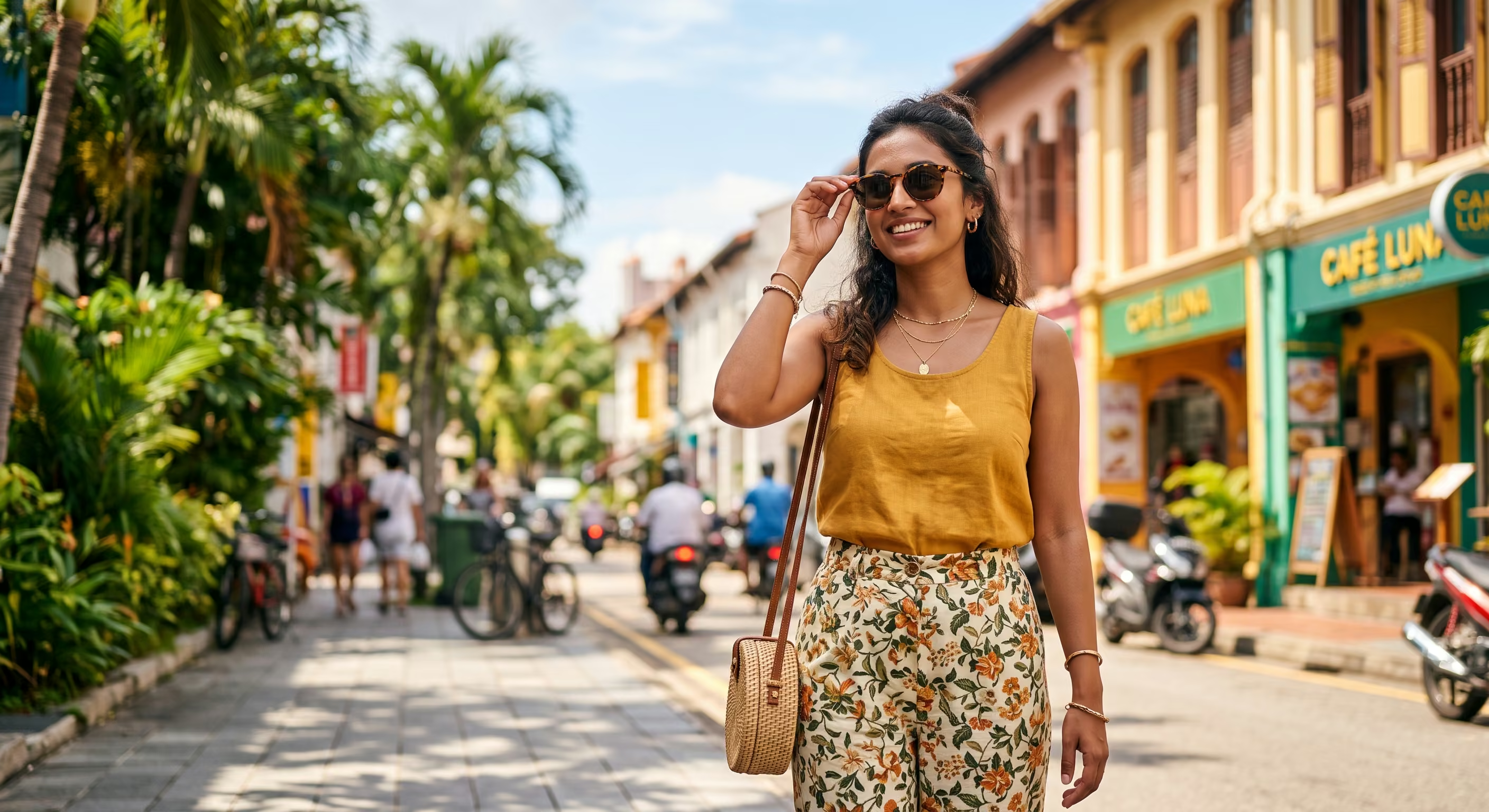
- The Office Worker / Student: You commute briefly and sit indoors. Look for an SPF 30-50 chemical or hybrid gel that feels light and sits beautifully under makeup or on bare skin.
- The Outdoor Commuter / Field Worker: You face the fierce midday sun. You absolutely need SPF 50+, PA++++, and a sweat-resistant formula.
- The Athlete / Swimmer: You require a highly water-resistant sport sunscreen. Remember to double cleanse at night to remove these stubborn, clinging formulas so they don’t clog your pores.
Where Can You Find Authentic Sunscreen Online in Bangladesh?
Because sunscreen is classified as a functional cosmetic (and in some countries, an over-the-counter drug), authenticity is a matter of health and safety. Counterfeit sunscreens will not protect your skin from UV radiation.
When shopping, always choose reputable retailers that guarantee authenticity. If you are ready to find a product that perfectly matches your skin type, climate needs, and budget, you can browse a curated, authentic selection by exploring the sunscreen face care collection at Modern Beauty BD. Filtering by skin type and price will help you narrow down the Best sunscreen in Bangladesh options for your specific needs, all conveniently available on the main Modern Beauty BD website.
Frequently Asked Questions (FAQ)
What SPF should a beginner use?
Sunscreen Buying Guide for beginner should start with a broad-spectrum sunscreen of at least SPF 30. This provides excellent protection (blocking 97% of UVB rays) for daily, moderate sun exposure.
Is SPF 30 enough in Bangladesh?
Yes, SPF 30 is generally enough for daily indoor routines and short commutes in Bangladesh. However, if you are spending extended time outdoors in the direct sun, upgrading to SPF 50 and reapplying frequently is highly recommended.
How much sunscreen should I apply?
You should apply enough to generously cover your skin. For the face and neck, use the “two-finger method”—squeezing two full lines of sunscreen down your index and middle fingers.
How often should sunscreen be reapplied?
If you are outdoors or sitting by a bright window, reapply every two hours. If you are swimming or sweating heavily, reapply immediately after drying off.
Which sunscreen is best for oily skin?
The Best sunscreen in Bangladesh for oily skin are water-based, oil-free, or gel formulations. These absorb rapidly, leave a matte or semi-matte finish, and do not contribute to excess shine in humid weather.
Can I wear sunscreen indoors?
Yes. UVA rays (the ones that cause aging and dark spots) can penetrate through standard glass windows. If you work or relax near a window during the day, wearing sunscreen indoors is highly beneficial.
Why are sunscreen prices different in Bangladesh?
The sunscreen price in BD varies based on the country of origin, import taxes, the elegance of the formulation (lack of white cast), and the inclusion of advanced skincare ingredients like hyaluronic acid or niacinamide.
What should I look for when buying sunscreen for the first time?
Look for three main things: “Broad-Spectrum” on the label, an SPF of 30 or higher, and a texture that matches your skin type (e.g., gel for oily skin, cream for dry skin).
In Summary Sunscreen Buying Guide for First-Time Users
Starting your sunscreen journey is the most rewarding investment you can make for your skin’s long-term health and appearance. While understanding SPF ratings, PA grades, and ingredient lists might seem complicated at first, it all comes down to finding a product you actually enjoy wearing.
Remember, there is no single “perfect” Sunscreen Buying Guide for everyone. It is about understanding your skin type, considering the humid best sunscreen in Bangladesh weather, and finding a formula that fits comfortably within your budget. By prioritizing broad-spectrum protection and committing to daily application rain or shine you are setting the foundation for radiant, healthy, and youthful skin for decades to come.
Ready to make your first purchase? Take your time, assess your skin’s needs, and confidently choose a Best sunscreen in Bangladesh that makes you excited to protect your skin every morning.


