
 Brands
 Best Selling
 Offer
Offer Combo
ComboAre you tired of your face looking shiny an hour after you wash it? If you constantly find yourself reaching for blotting papers or worrying about makeup melting off your face, you are not alone. Oily skin is one of the most common skin types, yet it can be incredibly frustrating to manage. Many people struggle with a shiny T-zone, enlarged pores, and frequent breakouts. However, achieving a healthy, matte, and balanced complexion is entirely possible.
The secret is not washing your face a dozen times a day or aggressively drying out your skin. In fact, that often makes it worse. Instead, the focus should be on building a targeted, effective skincare routine that controls excess sebum while maintaining a healthy skin barrier.
Whether you are navigating the high heat and humidity of a Bangladeshi summer or just trying to manage everyday shine, this guide will walk you through exactly what works, what doesn’t, and how to choose the right products to keep your skin healthy and glowing—not greasy.

Quick Answer: What Is the Best Skincare for Oily Skin?
The best skincare for oily skin involves a minimal, consistent routine featuring lightweight, non-comedogenic products. A basic daily regimen should include a gentle foaming or gel cleanser, a liquid exfoliant containing salicylic acid (BHA) 2–3 times a week, a hydrating water-based or gel moisturizer, and a matte-finish broad-spectrum sunscreen. Avoid harsh, stripping alcohols and thick, heavy creams that clog pores.
Understanding Oily Skin
To control oiliness, it is essential to first understand where it comes from.
What is oily skin?
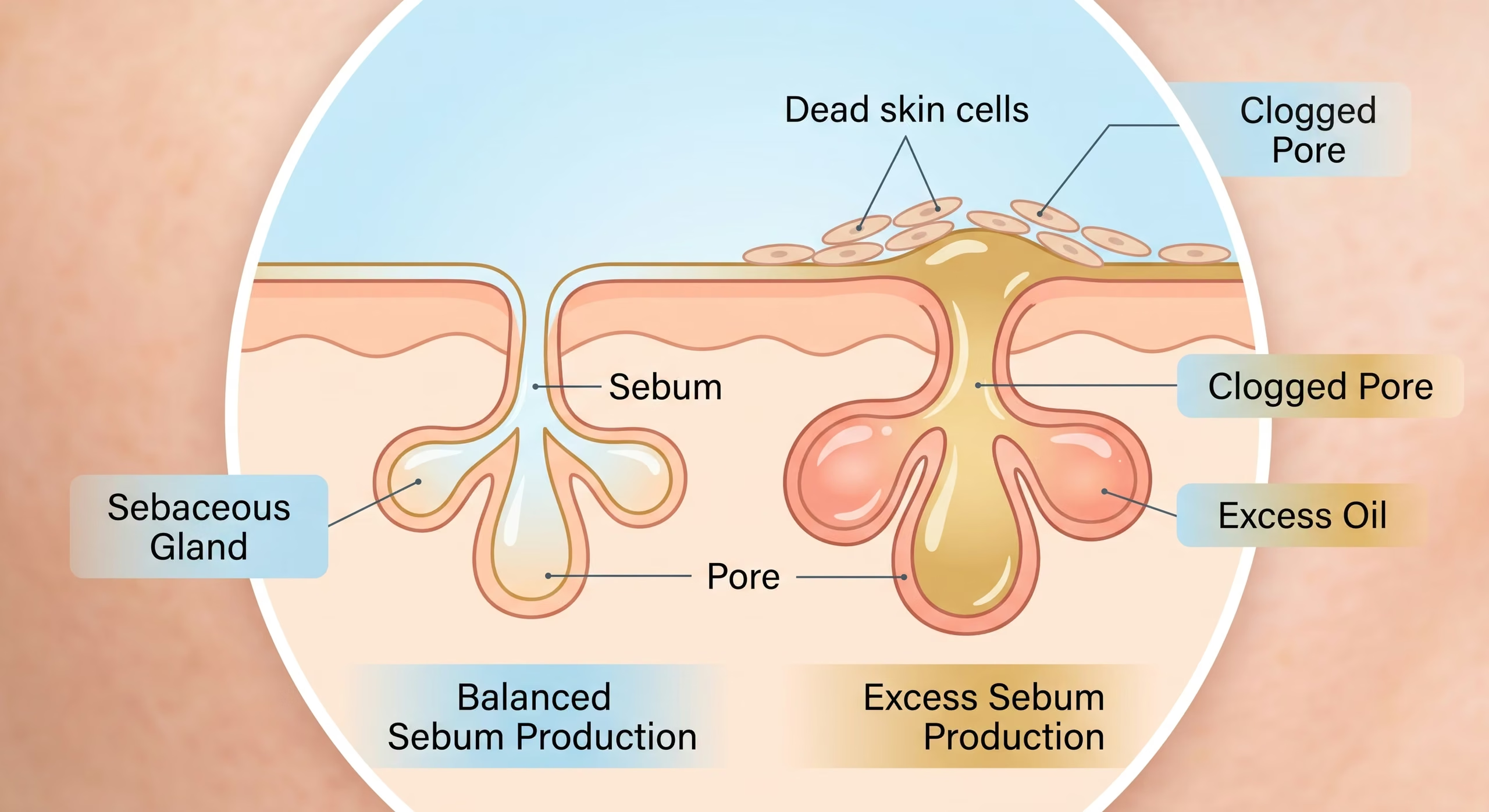
Oily skin is characterized by an overproduction of natural oils (sebum) throughout the day, particularly in the T-zone, encompassing the forehead, nose, and chin. Sebum is a natural, waxy substance that hydrates and protects your skin barrier. While having some oil is entirely healthy and even helps delay the signs of aging, too much of it leaves your skin looking slick and makes pores appear larger.
Why does excess sebum occur?
Several factors can push your sebaceous glands into overdrive:
- Genetics: If your parents have oily skin, you are more likely to have it too.
- Hormones: Fluctuating hormones during puberty, menstruation, or due to stress can increase oil production.
- Environment: High heat and humidity naturally trigger increased oil and sweat production.
- Improper Skincare Habits: Over-washing or skipping moisturizer dehydrates the skin, causing it to panic and produce even more oil to compensate.
Oily vs. Combination vs. Acne-Prone Skin
It is important to correctly identify your specific skin behavior. Oily skin is shiny all over, especially in the morning and throughout the day. Combination skin is characterized by a shiny T-zone but normal to dry cheeks. Acne-prone skin frequently develops blemishes, which often co-occurs with oily skin since excess oil can trap dead skin cells and bacteria inside pores.
What to Look for in Best Skincare for Oily Skin
The right ingredients can make a dramatic difference. When shopping for products, you want to focus on formulations that balance and soothe.
- Lightweight Textures: Look for gels, fluids, and watery lotions instead of heavy creams.
- Non-Comedogenic Formulations: This label means the product is specifically designed not to clog your pores.
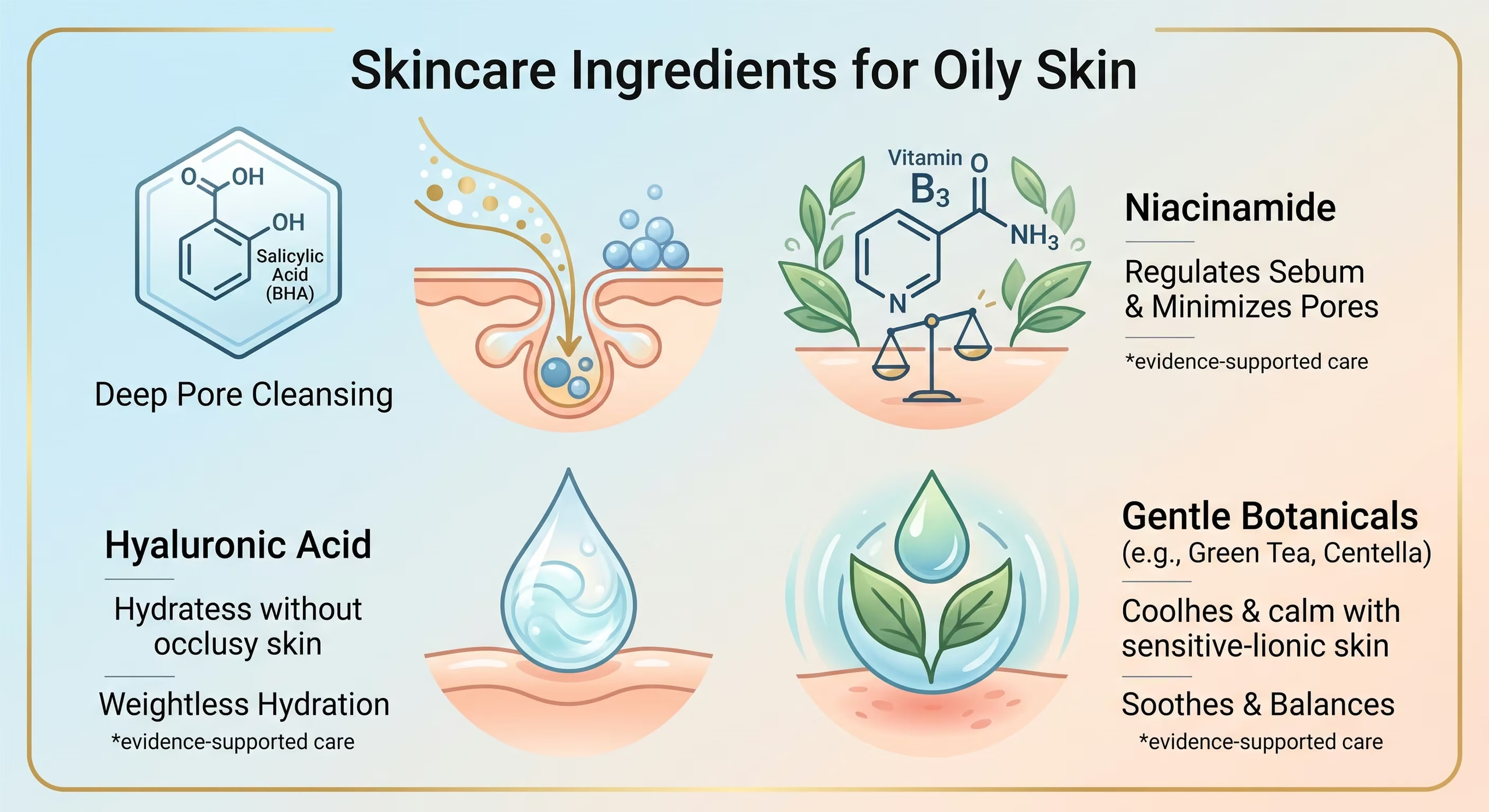
- Salicylic Acid (BHA): This oil-soluble acid dives deep into the pores to dissolve excess sebum, dead skin cells, and dirt.
- Niacinamide (Vitamin B3): A scientifically backed ingredient known to help regulate sebum production, minimize the appearance of pores, and reduce redness.
- Hyaluronic Acid: A powerful humectant that pulls moisture into the skin without adding a single drop of oil, providing perfect, weightless hydration.
- Gentle Cleansing Agents: Ingredients that cleanse effectively without stripping the skin’s natural acidic mantle.
Note: While these ingredients are highly beneficial, every individual’s skin is unique. Always introduce new active ingredients slowly and perform a patch test.
Ingredients to Be Careful With
While finding the right ingredients is important, knowing what to avoid is just as crucial. Certain formulations can disrupt your skin barrier.
- Overly Harsh Cleansers: Sulfates and aggressive soaps that leave your skin feeling “squeaky clean” are actually damaging. That tight feeling indicates moisture loss, which will only trigger rebound oiliness.
- Heavy Occlusives: Ingredients like coconut oil, mineral oil, shea butter, and heavy carrier oils can trap sweat and sebum, leading to breakouts in naturally oily skin.
- High Concentrations of Drying Alcohol: Denatured alcohol is sometimes added to products to give them a quick-drying, matte finish. However, excessive amounts can strip your skin’s moisture barrier, leading to “rebound oiliness” where your skin produces even more oil to compensate.
- Physical Scrubs: Coarse facial scrubs made with crushed shells or large beads can create micro-tears in the skin, spreading acne-causing bacteria and causing inflammation.
Best Morning Skincare Routine for Oily Skin
A good morning routine focuses on removing the oils produced overnight and protecting your skin for the day ahead.
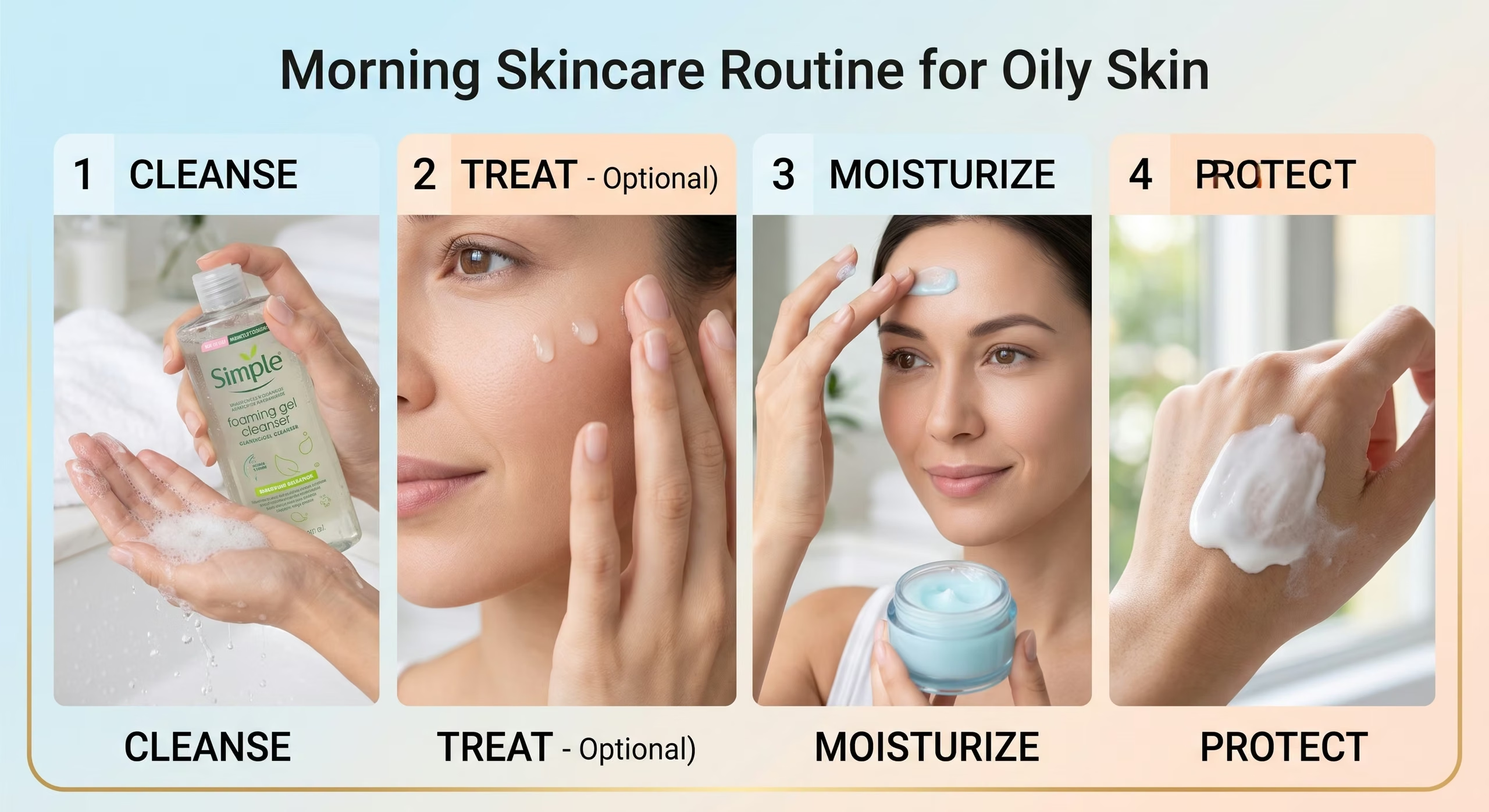
- Cleanse: Wash with a gentle, foaming gel cleanser for 45–60 seconds to clear away overnight oil and sweat. Pat dry with a clean towel.
- Treat (Optional): Apply a few drops of a niacinamide or vitamin C serum to help control oil and provide antioxidant protection.
- Moisturize: Use a lightweight, oil-free gel moisturizer to hydrate the skin.
- Protect: Apply a broad-spectrum, matte-finish sunscreen (SPF 30 or higher). This is the most crucial step of the day.
Best Nighttime Skincare Routine for Oily Skin
Your evening routine is about deep cleansing and repairing the skin barrier while you sleep.
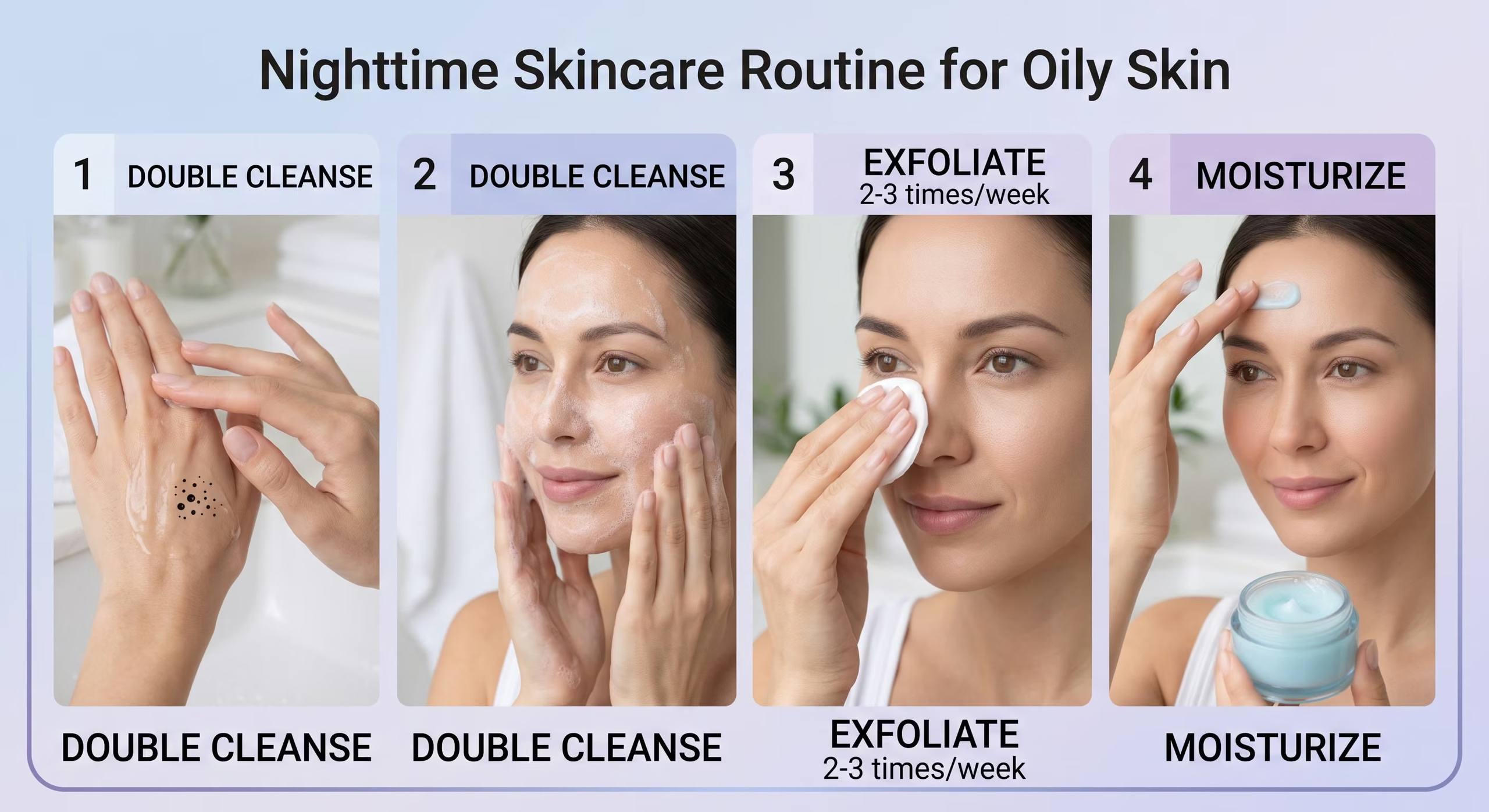
- Double Cleanse: If you wore sunscreen or makeup, start with a cleansing balm or micellar water to break it down. Follow up with your regular foaming cleanser.
- Exfoliate (2–3 times a week): Apply a liquid chemical exfoliant containing salicylic acid to keep pores clear. Do not do this every night.
- Treat (Optional): Apply a soothing serum or acne spot treatment if necessary.
- Moisturize: Seal in the hydration with your lightweight gel moisturizer. Never skip this step.
How Weather and Humidity Affect Oily Skin
The environment heavily dictates how oily your skin behaves. In a warm, humid climate like Bangladesh, managing oily skin requires a few adjustments. Intense heat and heavy moisture accelerate transepidermal water loss (TEWL) and kick sebaceous glands into overdrive. When excess sweat mixes with sebum and city pollution, clogged pores are almost inevitable.
To adapt, you do not need to change your entire routine. Instead, swap out your textures. Switch to water-based hydrators and liquid, sweat-resistant sunscreens. You might find that a highly hydrating sunscreen provides enough moisture during the peak summer months, allowing you to temporarily skip your morning moisturizer. Always remember to prioritize gentle, daily cleansing to wash away environmental pollutants.
Best Skincare Products for Oily Skin
Navigating the skincare aisle can be overwhelming. Here is a breakdown of how to select the best categories of products, alongside excellent options available at Modern Beauty BD.
- Cleanser: The foundation of your routine. Choose a foaming or gel wash containing gentle active ingredients. The Clean & Clear Foaming Face Wash is expertly formulated to gently dissolve impurities and actively regulate excess sebum throughout the day.
- Toner: Toners are optional but can be highly beneficial for oily skin if they contain exfoliating acids. A product like the COSRX AHA BHA Clarifying Treatment Toner helps gently clear away dead cells.
- Serum: For targeting specific concerns like large pores or dullness, a lightweight niacinamide serum is the gold standard for oil control.
- Moisturizer: It is a common misconception that oily skin does not need moisture. Without it, your skin dehydrates and produces more oil. Choose a lightweight formula that absorbs instantly. The Simple Hydrating Light Moisturiser provides clean, non-comedogenic hydration that acts as a perfect, breathable base under makeup or sunscreen.
- Sunscreen: Protect your skin without the grease. Avoid heavy body lotions on your face. Instead, look for a liquid milk or gel formula that dries completely matte, such as the Missha Soft Finish Sun Milk.
- Exfoliant: Skip the physical scrubs. Chemical exfoliants containing BHA are much safer and more effective at penetrating oily pores.
If you want to read more about specific steps, explore our guide on how to start a skincare routine and finding the best sunscreen for oily skin.
Common Mistakes People With Oily Skin Make
Even with the best intentions, certain habits can sabotage your skin.
- Washing Your Face Too Often: Cleansing more than twice a day strips away the natural lipid barrier. Stick to morning, night, and immediately after heavy sweating.
- Skipping Moisturizer: Depriving your skin of hydration forces it to overproduce sebum. Always moisturize.
- Using Too Many Acne Products: Combining a salicylic acid cleanser, an exfoliating toner, and a benzoyl peroxide cream all at once will destroy your skin barrier, causing inflammation and excessive oiliness. Keep it simple.
How to Build a Simple Oily-Skin Routine on a Budget
Great skincare does not require a complicated, expensive 10-step routine. If you are on a budget, prioritize the essentials: a cleanser, a moisturizer, and a sunscreen.
Look for affordable drugstore brands that focus on science-backed, simple formulations. Invest your money in a good sunscreen, as this protects against long-term damage, and opt for a large, basic foaming cleanser. You can always add serums and specialized toners later as your budget allows.
When Should You See a Dermatologist?
While a good daily routine can manage everyday oiliness, sometimes professional help is required. You should consult a dermatologist if:
- You are experiencing deep, painful, cystic acne that leaves scars.
- Over-the-counter products are causing severe irritation, redness, or burning.
- Your skin is excessively oily to the point of severe discomfort, despite following a balanced routine.
- You suspect your oily skin might be a symptom of an underlying hormonal issue.
Frequently Asked Questions
What is the best skincare routine for oily skin?
The best routine is simple and consistent: cleanse with a gentle foaming wash, apply a hydrating, oil-free gel moisturizer, and finish with a matte-finish sunscreen in the morning. At night, cleanse, optionally apply a BHA exfoliant, and moisturize.
Is moisturizer necessary for oily skin?
Yes. Oily skin requires water (hydration), not more oil. If you skip moisturizer, your skin becomes dehydrated and produces even more oil to compensate. Choose a lightweight, non-comedogenic gel or water-based lotion.
Which ingredients are best for oily skin?
Niacinamide, salicylic acid (BHA), and hyaluronic acid are excellent choices. Niacinamide regulates sebum, BHA clears clogged pores, and hyaluronic acid provides weightless hydration.
Is salicylic acid good for oily skin?
Yes, it is highly effective. As an oil-soluble acid, it can penetrate through the natural sebum on your skin to unclog pores, dissolve dead skin cells, and prevent breakouts.
What type of sunscreen is best for oily skin?
A lightweight, non-comedogenic liquid, milk, or gel sunscreen with a matte or dry-touch finish is best. Avoid thick creams and heavy oils that can trap sweat and clog pores.
How often should oily skin be exfoliated?
Most dermatologists recommend exfoliating oily skin 2 to 3 times per week with a gentle chemical exfoliant. Exfoliating every day can strip the skin barrier and cause irritation.
Can oily skin become dehydrated?
Absolutely. Dehydration is a lack of water, not a lack of oil. You can have excess surface oil while the deeper layers of your skin desperately lack water, often due to harsh cleansers or skipping moisturizer.
How can I reduce excess facial oil?
Maintain a consistent routine with a gentle cleanser, use a niacinamide serum, moisturize daily, and avoid harsh, drying ingredients. Throughout the day, you can gently use oil-absorbing blotting papers instead of washing your face repeatedly.
Conclusion: Achieving a Balanced, Shine-Free Complexion
Managing oily skin does not have to be a daily battle. By understanding why your skin produces excess sebum and choosing the right ingredients, you can easily maintain a healthy, balanced, and matte complexion. Remember to avoid harsh, stripping cleansers, never skip your moisturizer, and protect your skin daily with a lightweight sunscreen. A consistent, simple approach is always the most effective path to clear, glowing skin.
Ultimately, finding the best skincare for oily skin is not about fighting your natural complexion—it is about working with it. You do not need a complicated, expensive routine or harsh scrubs that leave your face feeling tight and dry. Instead, the secret lies in consistency, gentle cleansing, lightweight hydration, and daily sun protection.
Remember that oily skin actually has a built-in advantage: that natural sebum helps keep your skin plump and can even delay the appearance of fine lines and wrinkles. The goal is simply to manage the excess shine and keep your pores clear. By incorporating science-backed ingredients like niacinamide and salicylic acid, you can easily train your skin to stay balanced, even during hot and humid weather.
Building the right routine takes a little patience, so introduce new products one at a time and always listen to how your skin responds. If you are ready to build a regimen that actually works for you, explore the carefully curated collection of authentic skincare essentials at Modern Beauty BD to find lightweight, non-comedogenic formulas tailored specifically for your skin’s needs.


