
 Brands
 Best Selling
 Offer
Offer Combo
ComboThat tight, “squeaky clean” sensation you might remember from teenage skincare routines? It was never actually a sign of purity. For years, conventional beauty wisdom pushed harsh foamers that stripped away the skin’s protective lipid mantle, leaving it defenseless against irritation, dehydration, and premature aging. Today, the conversation has permanently shifted toward skin barrier health and skinimalism a movement focused on streamlined, purposeful routines that respect your skin’s biological balance rather than fighting it.
Getting your cleanser right is the cornerstone of that shift. With the surge of barrier-first routines, having a reliable, gentle daily cleanser is no longer optional it is foundational. In this deep dive, we break down Simple Moisturising Face Wash Explained so you can understand the exact mechanisms behind hydrating cleansing formulas, unpack what active ingredients do, and determine how they perform across diverse skin types.
What Is a Moisturising Face Wash?
A moisturising face wash is a gentle, non-stripping facial cleanser formulated with water-attracting humectants, barrier-replenishing emollients, and mild surfactants designed to remove dirt, excess sebum, and environmental debris without depleting the skin’s natural lipid barrier. Unlike conventional alkaline soaps, a hydrating cleanser typically matches the skin’s natural acidic pH (around 4.5–5.5), leaving the complexion soft, hydrated, and calm immediately after rinsing.

┌──────────────────────────────────────────────────────────┐
│                   AEO Quick Answer Box                   │
│                                                          │
│ What makes a face wash "moisturising"?                   │
│ Rather than relying on harsh sulfates that strip natural │
│ oils, a moisturising cleanser pairs ultra-mild           │
│ cleansing agents with hydrating actives like glycerin,   │
│ provitamin B5 (panthenol), and ceramides. This preserves │
│ moisture levels while actively clearing surface grime.   │
└──────────────────────────────────────────────────────────┘
When evaluating cleansers, dermatologists consistently emphasize that the goal of washing your face is simple: purify the surface while preserving the acid mantle. If a formula leaves your face feeling taut or parched within 60 seconds of towel-drying, it is fundamentally failing that standard.
Simple Moisturising Face Wash Explained Key Ingredients to Look For
Formulation science determines how well a product works. When scanning ingredient decks, you want a balanced combination of humectants (which draw moisture into the upper epidermal layers), skin-replenishing vitamins, and emollients (which condition and soften the surface).
Glycerin
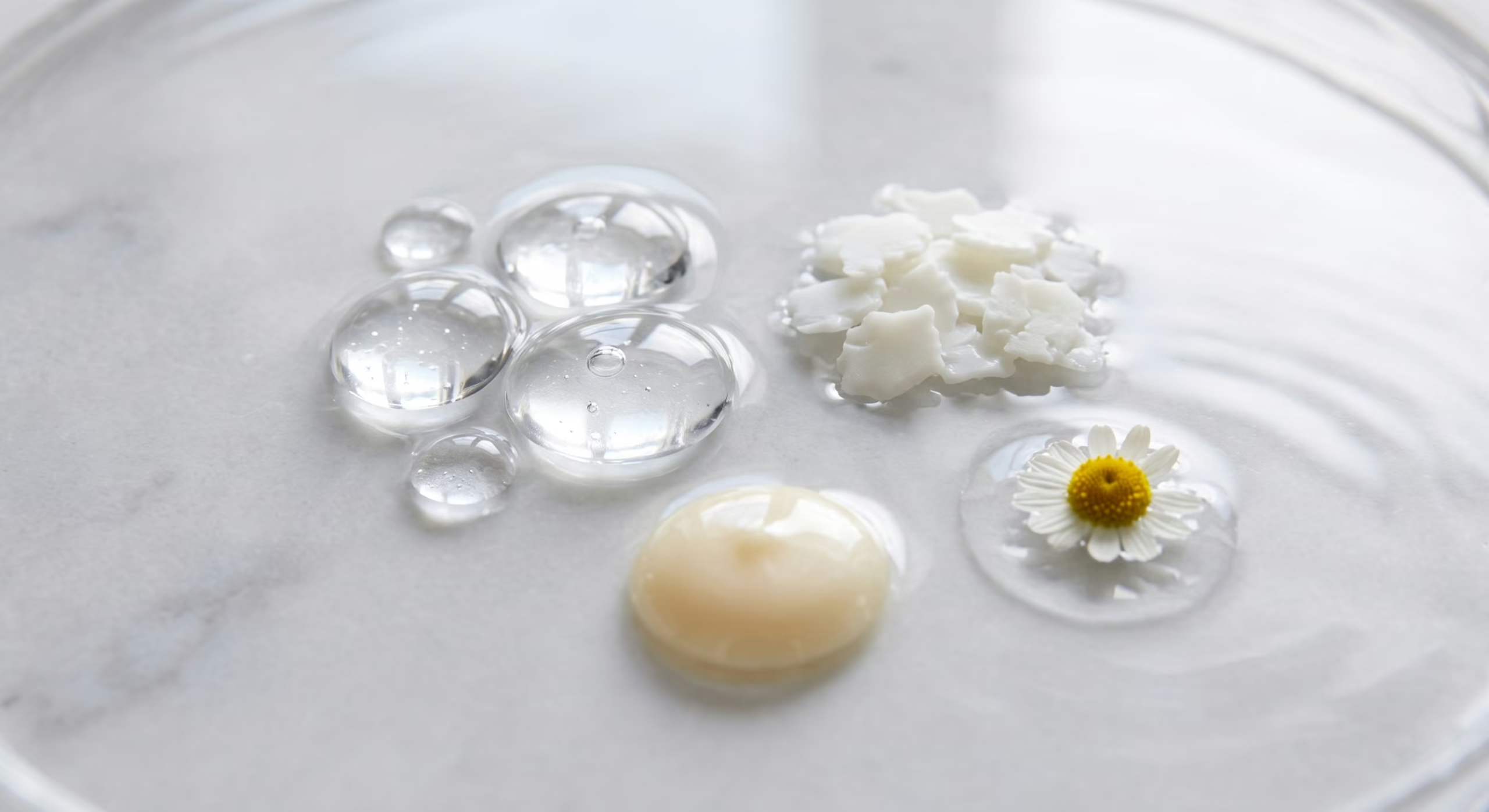
Often underestimated because it is foundational and ubiquitous, glycerin remains one of the most effective and skin-compatible humectants known to cosmetic science. Research indexed on PubMed demonstrates that topical glycerin accelerates barrier repair, improves stratum corneum hydration, and shields against mechanical irritants. In a wash-off format, glycerin acts as an immediate moisture cushion, preventing water loss while surfactants dislodge oil and makeup.
Provitamin B5 (Panthenol)
Commonly listed on skincare labels as panthenol, provitamin B5 is a biological powerhouse. Once absorbed, it converts directly to pantothenic acid, an essential cofactor in cellular repair. Panthenol has documented anti-inflammatory properties, making it invaluable for calming reactive skin, reducing erythema, and promoting epidermal wound healing. In a gentle wash, it cushions surfactant impact, ensuring the skin remains supple rather than sensitized.
Vitamin E (Tocopheryl Acetate)
Vitamin E is a lipid-soluble antioxidant that works alongside water-soluble actives to neutralize free radicals generated by UV light and daily pollution. In a moisturising cleanser, tocopherol helps prevent lipid peroxidation within your cellular membranes, preserving the lipid matrix that keeps irritants out and vital hydration locked in.
Ceramides and Essential Fatty Acids
Your skin barrier is naturally composed of roughly 50% ceramides, 25% cholesterol, and 15% free fatty acids—a ratio often compared to mortar holding cellular “bricks” together. Cleansers fortified with ceramides or plant-derived fatty acids replenish minor micro-tears in this structure during the wash step, leaving the skin fortified against ambient trans-epidermal water loss (TEWL).
Bisabolol and Allantoin
Derived traditionally from chamomile, bisabolol is a concentrated soothing terpene that downregulates pro-inflammatory cytokines. Paired with allantoin—a gentle keratolytic and skin protectant—these ingredients soothe low-grade redness and prevent the micro-inflammation that frequently triggers dry patches and post-inflammatory pigmentation.
Key Ingredients to Avoid in a Daily Cleanser
Knowing what to skip is just as crucial as knowing what to include. Harsh additives can disrupt your moisture barrier, leading to a cycle of rebound oil production, persistent flaking, or reactive breakouts.
- Sodium Lauryl Sulfate (SLS): A potent anionic surfactant notorious for denaturing stratum corneum proteins and stripping protective lipids. While effective at lifting industrial grease, it is far too aggressive for twice-daily facial use. Look instead for gentle alternatives like cocamidopropyl betaine or decyl glucoside.
- High-Concentration Denatured Alcohol (Alcohol Denat./Ethanol): Often included in clarifying products to create a fast-drying, matte finish. Over time, volatile drying alcohols dissolve the intercellular cement between keratinocytes, leading to barrier compromise.
- Synthetic Dyes and Heavy Artificial Fragrance: Fragrance formulations represent one of the leading causes of allergic contact dermatitis. As emphasized by guidelines from the American Academy of Dermatology (AAD), fragrance-free formulations are dramatically less likely to trigger sensitivity, flare-ups, or contact irritation.
- Aggressive Physical Scrubs (Walnut Shell Powder, Apricot Kernels): Jagged, uneven physical particles cause microscopic tears in the stratum corneum, compromising barrier integrity before hydration can even begin.
Benefits of Using a Moisturising Face Wash Daily
Switching to a well-formulated, non-stripping cleanser transforms the long-term behavior of your skin. Because cleansing occurs at least once or twice a day, eliminating micro-trauma at this initial step cascades positive effects throughout the rest of your routine.
             ┌──────────────────────────────────────────────┐
             │       THE HYDRATING CLEANSER CASCADE         │
             └──────────────────────┬───────────────────────┘
                                    │
                                    ▼
       Preserves Lipid Barrier & Natural Acid Mantle (pH 4.5–5.5)
                                    │
                                    ▼
       Prevents Rebound Sebum Overproduction (Less Oiliness & Clogs)
                                    │
                                    ▼
       Enhances Absorption of Subsequent Serums, Actives & Creams
- Preserves Stratum Corneum Integrity: Your skin’s outermost layer requires adequate water content to maintain enzyme activity responsible for natural desquamation. Hydrating cleansers prevent the parched micro-environment that leads to rough texture and dullness.
- Reduces Rebound Oiliness: When stripped of natural moisture, skin overcompensates by triggering sebaceous glands to flood the surface with sebum. A gentle wash breaks this vicious cycle by maintaining hydration equilibrium.
- Optimizes Active Ingredient Penetration: Plump, well-hydrated skin cells act like damp sponges, absorbing subsequent serums, retinoids, or peptides far more efficiently than dehydrated, rigid tissue.
- Calms Chronic Low-Grade Erythema: Eliminating daily irritation from harsh detergents helps settle chronic background redness, reinforcing overall skin resilience.
Skin Type Compatibility Guide
A frequent misconception is that moisturising cleansers are solely intended for mature or dry skin types. In clinical practice, virtually all complexions benefit from a balanced, barrier-respecting wash when paired with suitable follow-up steps.
| Skin Type | Primary Concern | Why a Moisturising Cleanser Works | Expert Recommendation |
|---|---|---|---|
| Oily Skin | Excess shine, congested pores | Prevents reactive sebum overproduction caused by stripping | Use morning and night; follow with an oil-free, niacinamide-rich gel moisturiser. |
| Dry Skin | Flaking, tightness, dullness | Infuses humectants at step one; preserves sparse native lipids | Massage onto damp skin for 60 seconds; layer immediately with rich ceramide creams. |
| Combination Skin | Oily T-zone, dry cheeks | Balances opposing needs without drying cheeks or congesting pores | Safe for whole-face daily cleansing; spot-treat the T-zone with targeted BHA serums later. |
| Sensitive Skin | Stinging, redness, reactivity | Free from artificial fragrance, dyes, and harsh sulfates | Ensure the formula is hypoallergenic and tested on reactive skin barriers. |
| Acne-Prone Skin | Active papules, microcomedones | Reduces inflammation around lesions without exacerbating peeling | Alternate with an active salicylic acid cleanser if needed, but keep this as your staple. |
How It Performs on Acne-Prone Skin
Acne is fundamentally an inflammatory condition. Many common spot treatments—benzoyl peroxide, adapalene, tretinoin—cause significant barrier disruption, redness, and peeling. Relying on an aggressive, drying cleanser on top of active acne medications creates severe irritation and compromises compliance. Using a non-comedogenic, hydrating cleanser maintains barrier health so your skin can comfortably tolerate potent acne treatments without peeling.
How to Use It Correctly for Best Results
Even an impeccably formulated cleanser will disappoint if applied incorrectly. Cleansing is an art of minimal mechanical friction and precise temperature control.
┌────────────────────────────────────────────────────────────────────────┐
│                        THE 4-STEP CLEANSING RITUAL                     │
│                                                                        │
│  1. Wet Face with Lukewarm Water (Never hot, never ice-cold)           │
│  2. Dispense a Dime-Sized Amount onto clean, damp palms                │
│  3. Massage Gently in Circular Motions for 45–60 Seconds               │
│  4. Pat Dry with a Clean Microfiber Cloth (Never rub vigorously)       │
└────────────────────────────────────────────────────────────────────────┘
- Prep Hands and Face with Lukewarm Water: Hot water melts away your natural sebaceous lipid barrier, while cold water prevents surfactants from adequately loosening dirt. Lukewarm water is universally optimal.
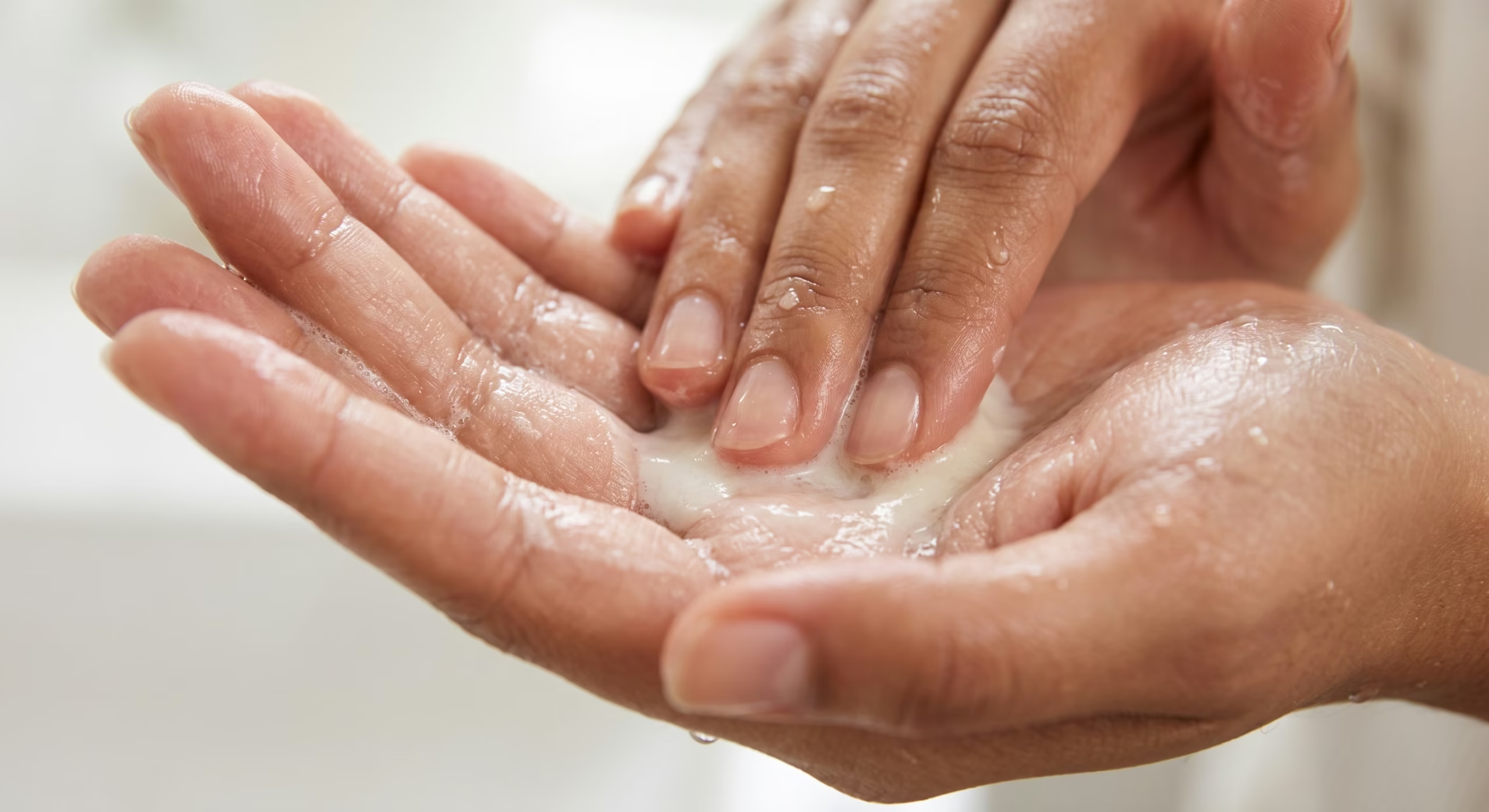
- Dispense and Emulsify: Pump a dime-sized dollop onto wet palms and rub your hands together for 3 to 5 seconds to initiate a silky micro-lather.
- Massage for 60 Seconds: Gently work the lather over your face in upward, circular motions for approximately 45 to 60 seconds. Focus on the perimeter of the nostrils, chin, and hair line where sebum and sunscreen collect, using light fingertip pressure rather than aggressive rubbing.
- Rinse Thoroughly: Splash clean water across the skin until no residue remains. Lingering surfactant film can lead to dry patches around the hairline and jawline.
- Pat, Never Rub: Use a clean, soft microfiber towel and press gently into the skin to absorb standing water. Leave the skin subtly damp before applying your hydrating toner or serum.
Pro Tip: Apply your hydrating toners, essences, and serums within 60 seconds of washing your face while the skin is still slightly damp. Known in cosmetic dermatology as the “golden minute,” this simple adjustment traps water before ambient air causes trans-epidermal moisture loss, amplifying the hydrating impact of your entire routine.
Simple Moisturising Face Wash Explained Top Trending Cleanser Formulations Right Now
As consumer awareness of cosmetic chemistry deepens, brands have elevated basic wash steps into sophisticated barrier-treatment rituals. A curated look across the market reveals how contemporary formulations deliver balanced hydration:
1. Simple Kind to Skin Moisturising Facial Wash
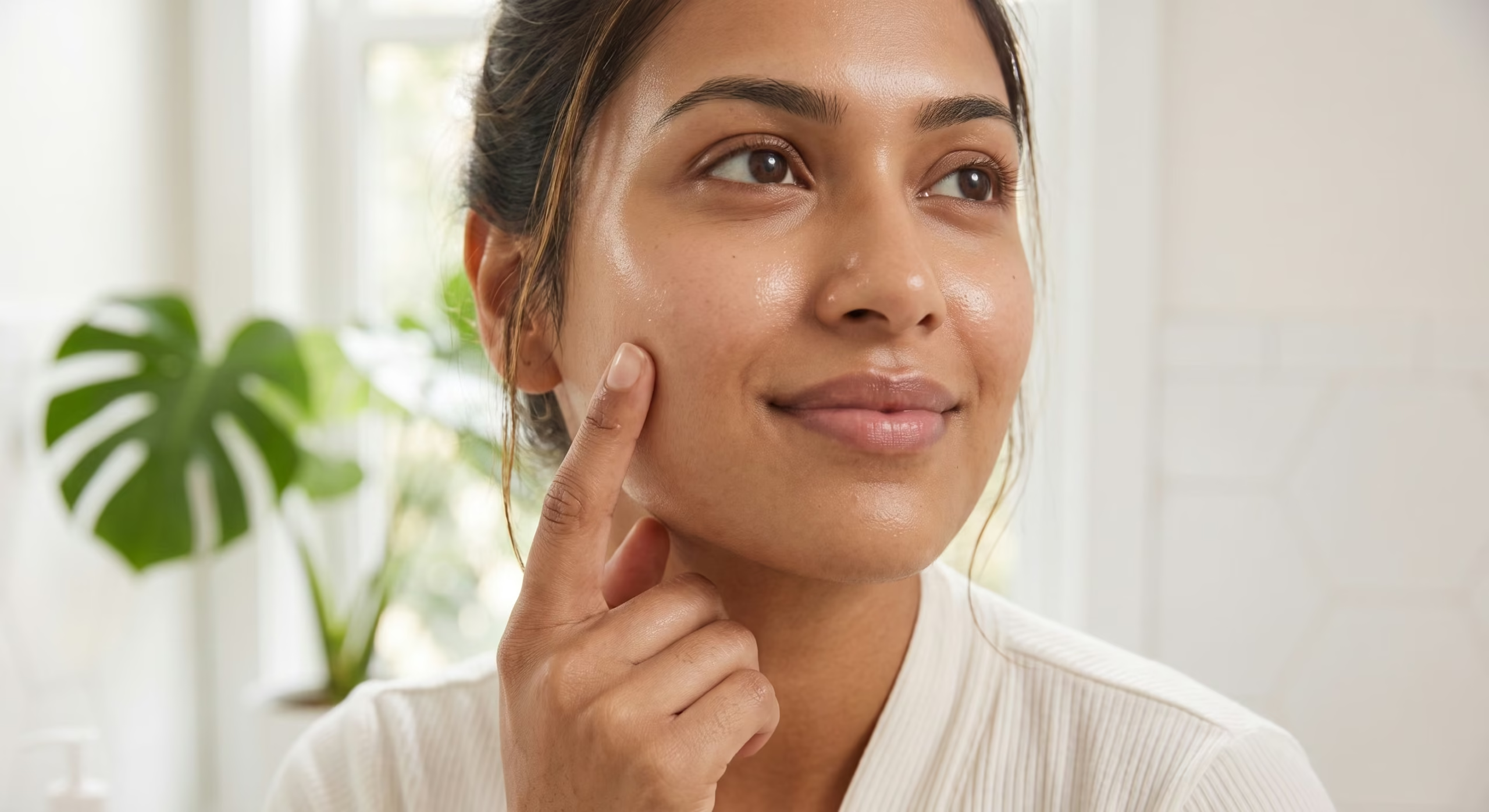
A staple that has stood the test of time while fitting neatly into the current “skinimalism” trend. Free from artificial perfumes, harsh colors, and drying soap, this formulation pairs Provitamin B5 (Panthenol), Vitamin E, and Bisabolol with a triple-purified water base. It produces a soft, cushiony lather that purifies without a trace of post-cleanse tightness, making it an accessible, reliable option across all skin profiles.
2. CeraVe Hydrating Facial Cleanser
A dermatologist-developed staple formulated around the brand’s signature trio of essential ceramides (1, 3, and 6-II) and hyaluronic acid. Using a patented MVE (Multivesicular Emulsion) delivery technology, it releases moisturizing ingredients gradually, ensuring comfortable hydration that lasts well past the rinse stage.
3. La Roche-Posay Toleriane Hydrating Gentle Cleanser
Formulated specifically for compromised, reactive, and dry barriers, this lotion-style cleanser harnesses prebiotic thermal spring water, niacinamide, and ceramide-3. It gently removes impurities while preserving the skin’s beneficial microbiome balance, making it a frequent recommendation for post-procedure and eczema-prone complexions.
Whether you are starting from scratch or re-evaluating your existing routine, you can explore our full skincare range at Modern Beauty BD to discover verified, authentic cleansing and barrier-repair essentials tailored to your skin’s individual profile.
Expert Tips & Common Mistakes
Over years of consulting on skincare regimens, I regularly witness well-intentioned individuals undermine their barrier through minor application errors. Correcting these five habits makes a noticeable difference:
- Mistake: Washing with Scalding Water in the Shower. Hot water rapidly strips the lipid matrix, leaving skin vulnerable to micro-fissuring and redness. Always wash your face at the sink with lukewarm water, or lower the shower temperature before rinsing your face.
- Mistake: Skipping the Morning Cleanse When Dealing with Breakouts. During sleep, the skin sheds dead keratinocytes and secretes sebum that can mix with nightly treatment residues and dust mites. A quick morning wash with a gentle, non-stripping cleanser clears the slate for sunscreen application without over-drying.
- Mistake: Double Cleansing with Two Harsh Foams. If you wear heavy sunscreen or waterproof makeup, initiate your routine with an oil or balm cleanser, followed by a gentle hydrating wash as your second step. Using two foaming cleansers back-to-back causes unnecessary stress to your barrier.
- Mistake: Over-relying on Facial Cleansing Brushes. Motorized brushes and coarse silicone scrubbers are unnecessary when using an effective surfactant system. Daily mechanical scrubbing combined with cleansing agents frequently triggers micro-inflammation. Your fingertips provide plenty of gentle friction.
- Mistake: Waiting Too Long to Apply Moisturizer. Allowing your skin to air-dry completely permits ambient air to siphon moisture away from bare epidermal layers via evaporation. Lock in hydration immediately while your complexion is still damp.
Simple Moisturising Face Wash Explained Frequently Asked Questions
Can I use a moisturising face wash if I have oily, acne-prone skin?
Yes, absolutely. Oily and acne-prone skin types often produce excess sebum precisely because harsh, drying products have compromised their natural barrier. A gentle, non-comedogenic moisturising face wash cleanses excess oil and debris without dehydrating the skin, helping regulate sebum production over time and soothing inflammation around active lesions.
How does a moisturising face wash differ from a foaming cleanser?
The distinction lies primarily in the surfactant concentration and lipid content. Traditional foaming cleansers often feature stronger anionic surfactants designed to create high foam, which can deplete skin lipids. A moisturising face wash employs gentler, non-ionic or amphoteric surfactants blended with humectants (like glycerin) and conditioning emollients, yielding a mild, low-lather texture that preserves moisture.
Does a moisturising face wash remove waterproof makeup and sunscreen?
Moisturising cleansers easily lift everyday grime, light makeup, and regular chemical sunscreens. However, for tenacious waterproof mascara or heavy zinc-oxide physical sunscreens, dermatologists recommend a two-step “double cleanse.” Start with an oil-based balm or micellar water to break down water-resistant pigments, then follow with your hydrating face wash to purify the skin.
Will a hydrating face wash leave a pore-clogging film on my skin?
High-quality, well-balanced hydrating cleansers rinse off cleanly without leaving a greasy or occlusive residue. The soft sensation remaining after rinsing comes from water-binding humectants and conditioning agents like panthenol and bisabolol, not heavy, pore-clogging waxes. Always look for products explicitly labeled non-comedogenic.
Can I use a moisturising face wash twice a day?
Yes. Because these formulas are formulated without aggressive sulfates or drying alcohols, they are safe, gentle, and effective for both morning and evening use. They cleanse surface sweat and overnight cellular turnover in the morning, and lift daytime pollution and sebum in the evening without causing cumulative barrier fatigue.
Simple Moisturising Face Wash Explained Conclusion
Understanding Simple Moisturising Face Wash Explained comes down to honoring your skin’s innate biology. Cleansing should never leave your complexion feeling strained, stripped, or vulnerable. By choosing a formula rich in foundational humectants like glycerin, soothing agents like provitamin B5 and bisabolol, and barrier-replenishing ceramides while avoiding drying sulfates and heavy fragrances you establish an optimal baseline for clear, resilient, and luminous skin.
Remember that skincare is a marathon, not a sprint: consistent, gentle daily care will always outperform aggressive quick fixes. Ready to upgrade your routine with barrier-first formulas? Browse authentic cleansers, toners, and treatments at Modern Beauty BD, or check out our comprehensive skincare guide to build a routine personalized to your unique skin journey.


