
 Brands
 Best Selling
 Offer
Offer Combo
ComboIf you have ever washed your face only to be met with a tight, dry, or “squeaky-clean” feeling afterward, you are not alone. For decades, the beauty industry equated aggressive foaming action with effective cleansing. However, that uncomfortable tightness is not a sign of clean skin; it is a distress signal. It means your skin’s protective moisture barrier has been stripped of its essential oils.
As we progress through 2026, the skincare landscape has shifted dramatically toward skin-barrier care, minimalist skincare routines, and ingredient transparency. Consumers are increasingly moving away from unnecessarily aggressive formulas in favor of gentle, hydration-focused skincare.
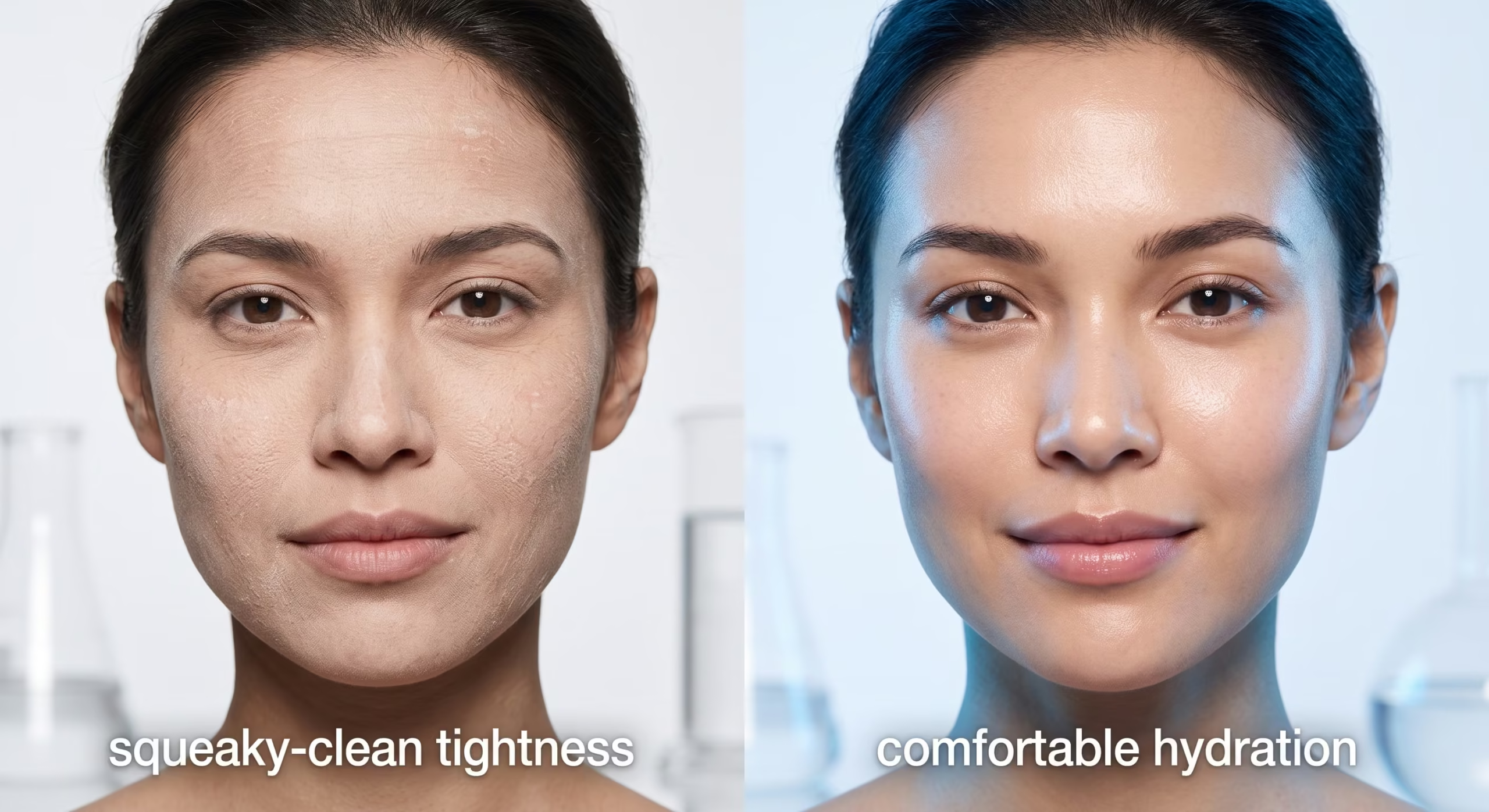
Effective cleansing does not have to mean stripping the skin. You can easily remove daily grime, makeup, and sunscreen without compromising your skin’s health.
Quick Answer: How Does a Moisturising Cleanser Work?
A moisturising face wash cleanses and hydrates by using mild surfactants that gently lift away dirt and oil without disrupting the skin’s natural lipid barrier. Simultaneously, it deposits hydrating humectants and soothing emollients to replenish moisture, preventing the tight, dry feeling associated with traditional harsh cleansers.
Let us explore exactly how a well-formulated Simple Moisturising Face Wash cleanses the skin effectively while maintaining critical hydration, and why avoiding unnecessarily harsh ingredients can transform your daily routine.
What Is a Moisturising Face Wash?
A moisturising face wash is a daily cleanser formulated with a dual purpose: to remove impurities from the surface of the skin and to deposit or protect moisture during the washing process.
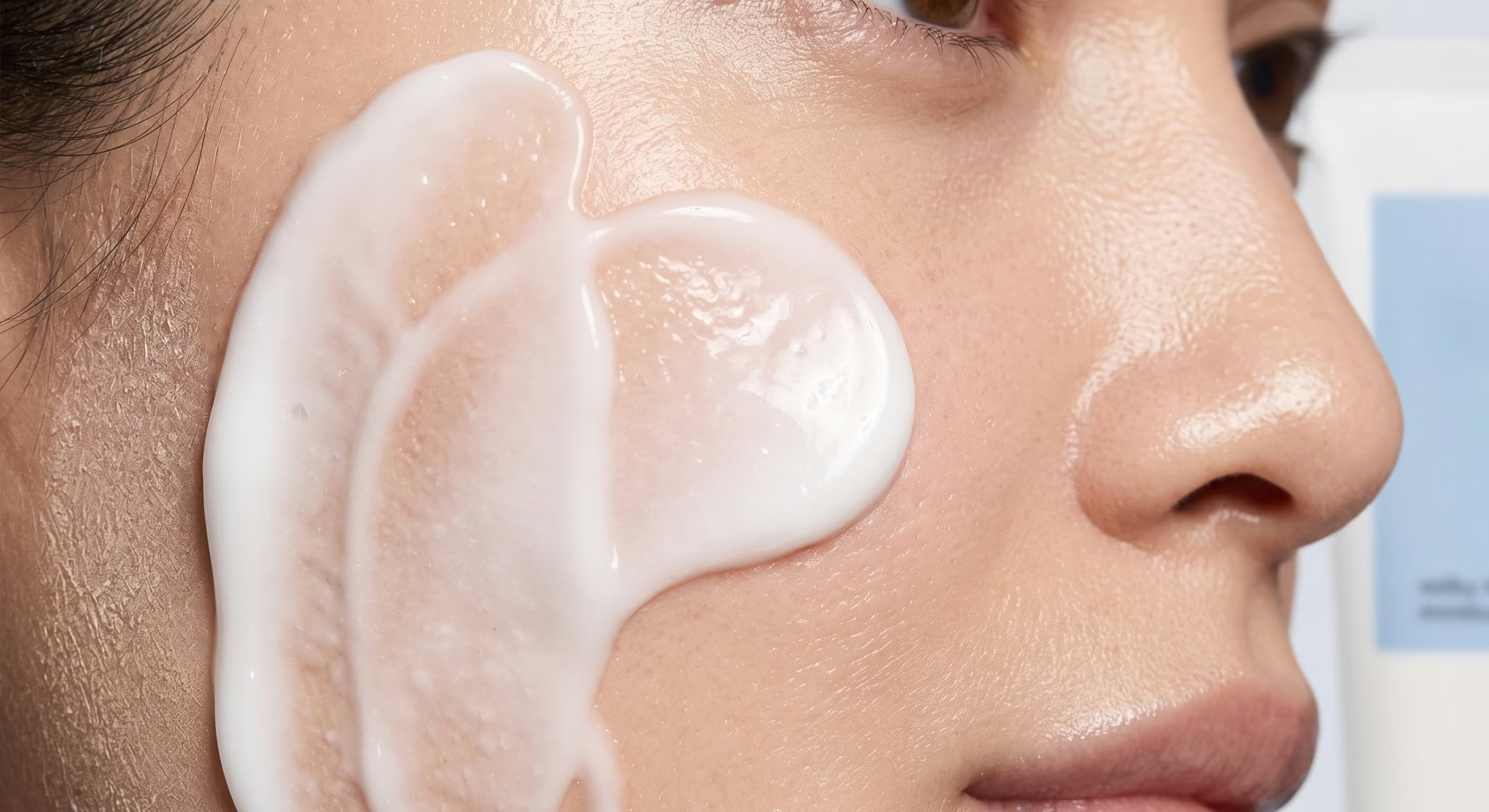
Unlike conventional foaming cleansers that prioritize heavy lather and maximum oil removal, a moisturising cleanser takes a minimalist approach. It generally avoids aggressive degreasing agents and instead utilizes milder, skin-compatible cleansing agents. These products often take the form of creamy lotions, milks, or lightly lathering gels. They do not attempt to exfoliate, peel, or clarify the skin; their sole purpose is to clean gently and effectively while leaving your natural lipid layer completely intact.
How Simple Moisturising Face Wash Cleanses the Skin
To understand how a gentle cleanser works, it helps to understand the basic chemistry of washing. Water alone cannot remove the oily sebum, sunscreen, and makeup that sit on our skin, because oil and water do not mix.

This is where cleansing agents, known as surfactants (surface-active agents), come in. Surfactant molecules have two distinct ends: a hydrophilic (water-loving) head and a lipophilic (oil-loving) tail. When you apply a cleanser to your skin, the oil-loving tails attach to dirt, makeup, and excess sebum. When you splash your face with water, the water-loving heads attach to the water, pulling the oil and dirt away from the skin so it can be rinsed down the drain.
When a Simple Moisturising Face Wash cleanses your skin, it uses large-molecule, mild surfactants (such as those derived from coconut oil). These gentle surfactants form micelles (clusters of cleansing molecules) that lift away dirt effectively but are too large to penetrate deeply into the skin and disrupt the structural lipids holding your skin cells together.
How Can a Face Wash Cleanse Without Over-Drying?
Your skin’s outermost layer, the stratum corneum, is held together by a lipid matrix consisting of ceramides, cholesterol, and fatty acids. Think of your skin cells as bricks, and this lipid matrix as the mortar holding them together and keeping moisture locked inside.
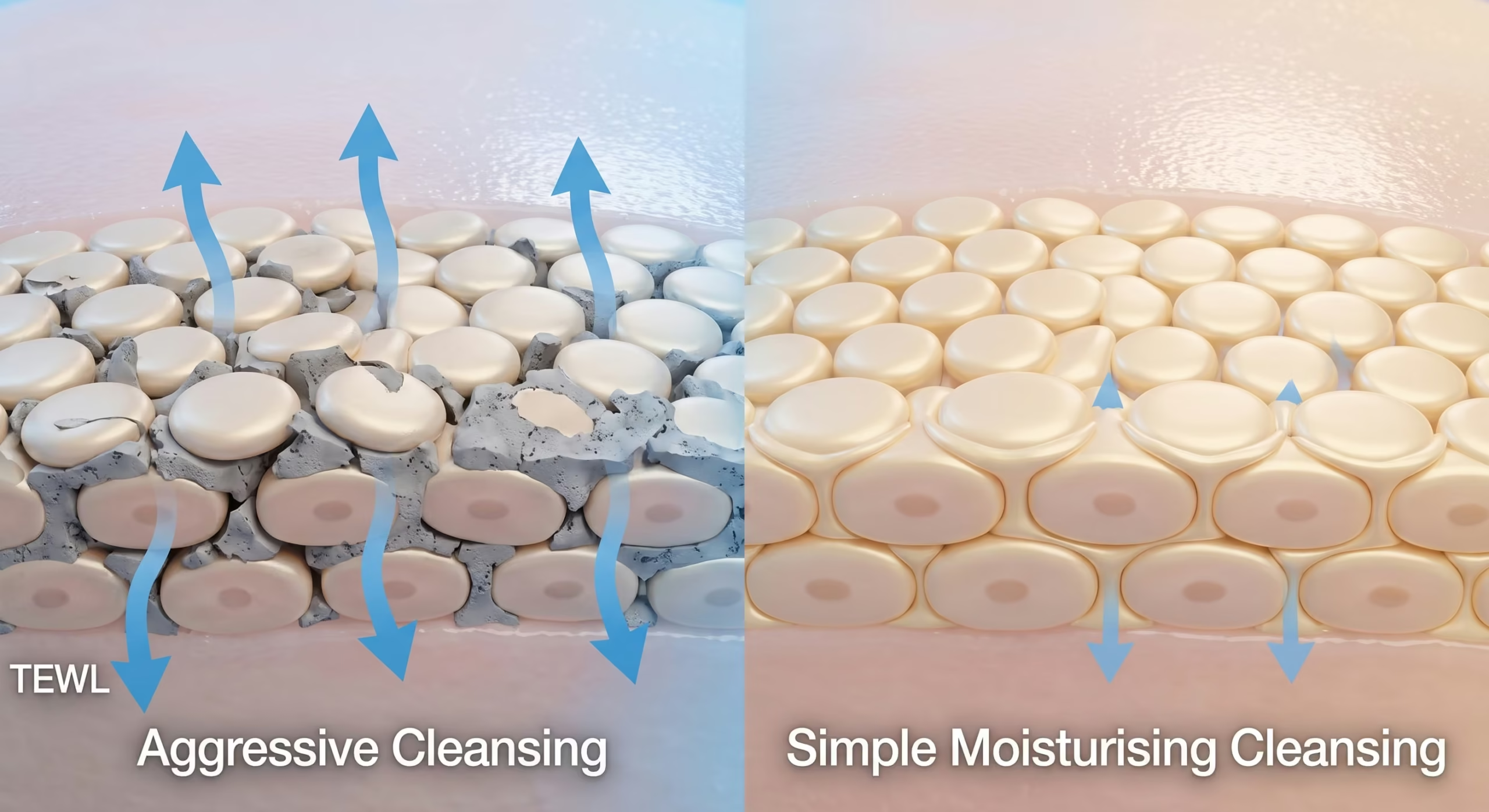
Harsh cleansers dissolve not just the dirt on top of your skin, but the “mortar” as well. When these vital lipids are washed away, water rapidly evaporates from the skin—a process known as Transepidermal Water Loss (TEWL). This is what causes that painfully tight, dry feeling.
A hydrating cleanser prevents this in two ways:
- Barrier Preservation: By using the mild surfactants mentioned above, the cleanser targets surface debris without dissolving your skin’s intercellular lipids.
- Moisture Replacement: As the gentle surfactants do their job, the formula simultaneously introduces hydrating ingredients that bind to the skin, replacing lost moisture in real-time.
Ingredients That Can Support a Gentle, Hydrating Cleanse
Understanding ingredient lists is central to modern skincare. It is important to note that everything we apply to our skin—including water—is made of chemicals. When skincare professionals warn against “harsh chemicals,” they are typically referring to known irritants, excessively aggressive surfactants, and volatile synthetic fragrances, not making a blanket statement that all chemicals are dangerous.
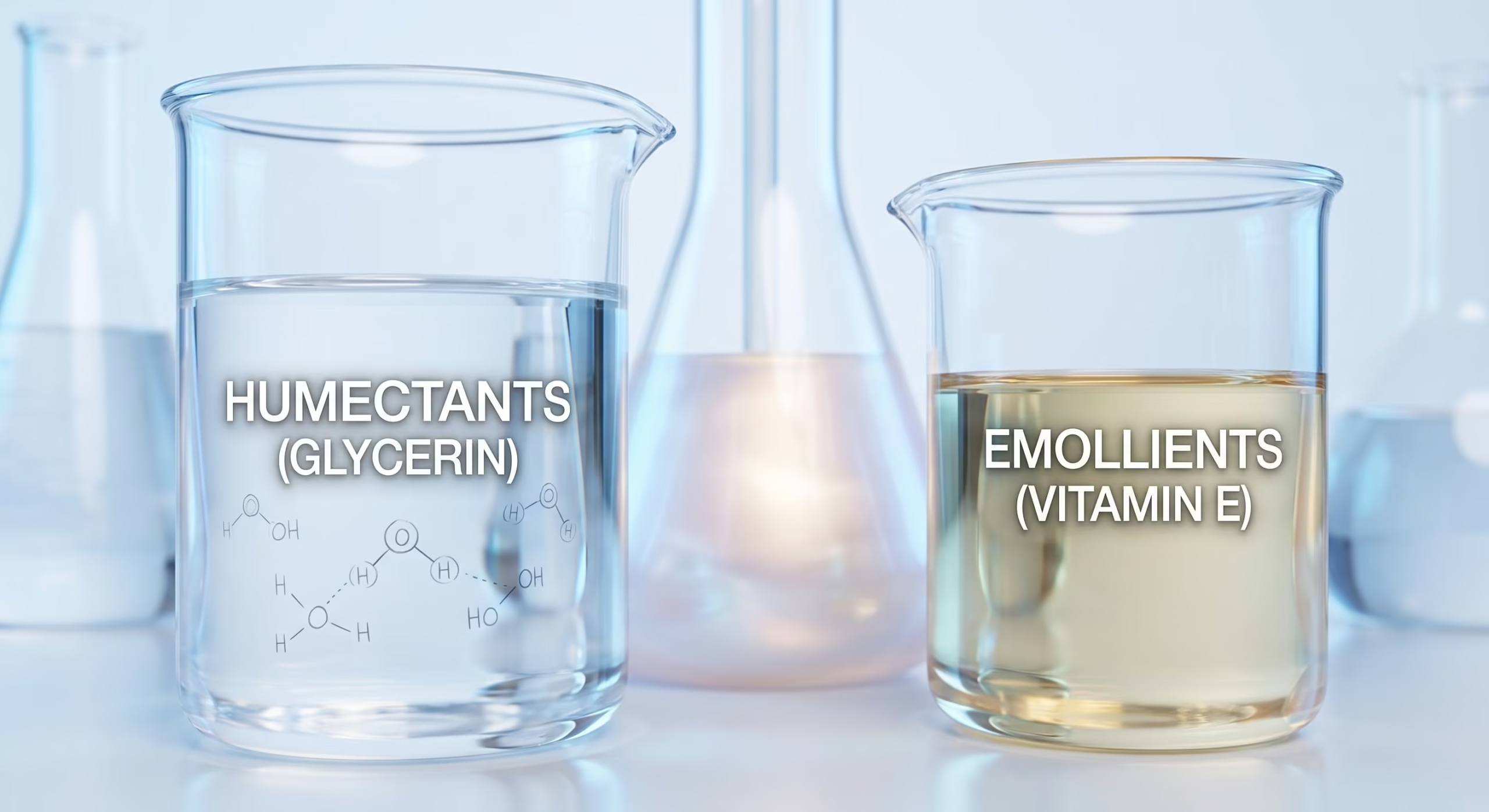
A high-quality moisturising face wash relies on safe, scientifically backed chemical compounds that support the skin barrier:
- Humectants (e.g., Glycerin, Hyaluronic Acid, Pro-Vitamin B5/Panthenol): Humectants act like microscopic sponges. They attract water from the environment and bind it to the outer layer of the skin. Pro-Vitamin B5, for example, is heavily featured in sensitive-skin-friendly formulations because it both hydrates and supports the skin’s natural barrier.
- Emollients (e.g., Vitamin E): Emollients smooth the skin by filling in the tiny gaps between skin cells. Vitamin E is a deeply conditioning emollient and antioxidant that leaves the skin feeling soft, nourished, and supple after rinsing.
- Soothing Agents (e.g., Bisabolol, Aloe Vera): Ingredients like Bisabolol (derived from chamomile) possess soothing properties that help calm the visible signs of irritation and redness often associated with cleansing.
- Mild Surfactants (e.g., Cocamidopropyl Betaine): Instead of using heavy-duty industrial degreasers, gentle face washes use mild, non-stripping surfactants that create a satisfying but gentle lather.
For an in-depth breakdown of how these specific ingredients cater to delicate skin, you can explore this comprehensive guide on the Simple Moisturising Face Wash for sensitive skin.
Who Can Benefit From a Moisturising Face Wash?
While marketing often segments products strictly by skin type, gentle cleansing is a universal benefit.

- Dry and Dehydrated Skin: Those with naturally low oil production or a compromised barrier desperately need a simple face wash for dry skin that prevents further TEWL.
- Sensitive Skin: People prone to redness, eczema, or contact dermatitis require minimalist formulas free from artificial perfumes and dyes.
- Normal and Combination Skin: Even if your skin is relatively balanced, utilizing a moisturising wash prevents you from accidentally triggering barrier damage or dehydration.
- Oily Skin (in specific contexts): Even oily skin can become dehydrated. Sometimes, stripping oily skin with harsh cleansers causes the skin to panic and overproduce oil to compensate. A gentle, hydrating cleanse can actually help balance sebum production over time.
(Note: If you have a persistent, severe skin condition such as cystic acne, rosacea, or severe eczema, it is always recommended to consult a board-certified dermatologist for personalized medical advice.)
What Should You Look for When Choosing a Moisturising Face Wash?
With the demand for ingredient transparency growing, consumers should know what to look for when shopping for a daily cleanser:
- Check the Surfactants: Avoid cleansers featuring Sodium Lauryl Sulfate (SLS) high up on the ingredient list, as it is notoriously stripping. Look for gentler alternatives like Decyl Glucoside or Cocamidopropyl Betaine.
- Prioritize Fragrance-Free Options: Artificial fragrance is a leading cause of contact dermatitis. If you have sensitive skin, opt for products explicitly labeled “fragrance-free” rather than just “unscented” (unscented products sometimes use masking chemicals to hide smells).
- Look for Hydrators: Ensure the formula contains proven humectants like Glycerin, Hyaluronic Acid, or Panthenol.
- pH-Balanced: The skin’s natural pH is slightly acidic (around 4.7 to 5.5). A cleanser formulated near this pH range will help keep your moisture barrier intact. True soaps are highly alkaline and should generally be avoided on the face.
How to Use a Moisturising Face Wash Correctly
Even the gentlest cleanser can cause irritation if used incorrectly. The American Academy of Dermatology (AAD) provides clear guidelines on how to wash your face for optimal skin health:
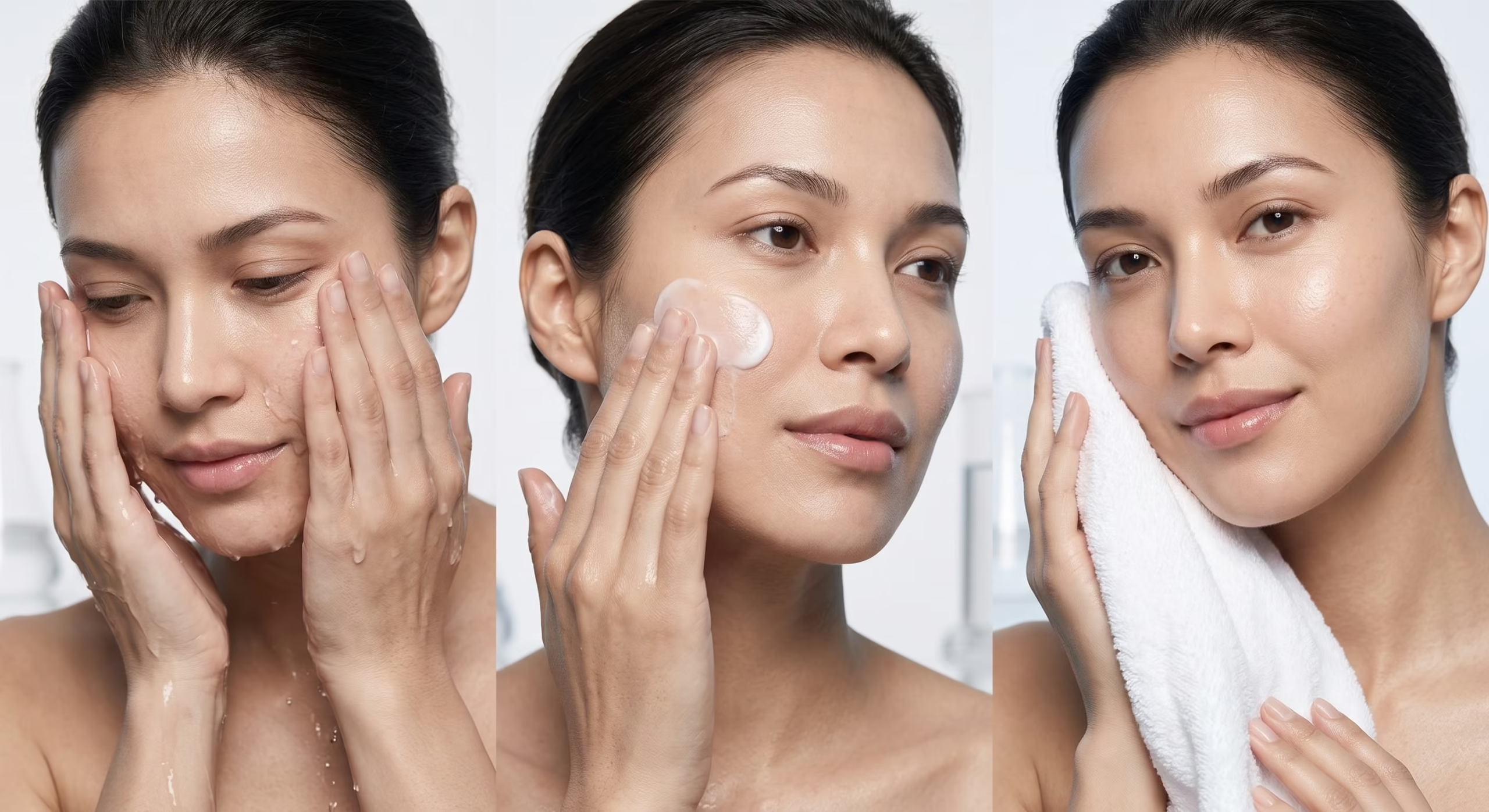
- Wash Your Hands First: Never begin your skincare routine with dirty hands, as you can transfer bacteria to your face.
- Use Lukewarm Water: Extreme temperatures damage the skin. Hot water melts away your natural oils and causes redness, while cold water prevents pores from releasing trapped dirt. Lukewarm water is the gold standard.
- Use Your Fingertips: Dispense a small amount of cleanser and massage it into your skin using only your fingertips. Washcloths or scrubbing brushes can cause micro-tears and unnecessary friction.
- Massage Gently for 30–60 Seconds: Do not scrub aggressively. Use light, circular motions to allow the mild surfactants time to bind to oil and dirt.
- Rinse Thoroughly: Splash lukewarm water over your face until all residue is gone.
- Pat Dry: Delicately blot your face with a clean, soft towel. Never rub the skin aggressively.
- Moisturize Immediately: Apply your serums and moisturizers while the skin is still slightly damp to lock in hydration.
Moisturising Face Wash vs. Harsh Cleansing
Understanding the difference between an optimal cleanse and an aggressive one is crucial.
Traditional/Harsh Cleansers:
- Typically rely on strong sulfates (like SLS/SLES).
- Often leave the skin feeling tight, squeaky clean, and dry.
- Can strip away the skin’s natural lipid barrier.
- Frequently loaded with artificial fragrances and dyes.
Simple Moisturising Face Washes:
- Utilize mild, non-stripping surfactants.
- Leave the skin feeling soft, hydrated, and supple.
- Respect and maintain the natural skin barrier.
- Typically omit artificial perfumes, unnecessary dyes, and common irritants.
It is important to remember that not all conventional cleansers are inherently “toxic,” but many are formulated with cleansing agents that are simply too aggressive for the delicate skin on the face, particularly when used twice a day.
Why Gentle Cleansing Matters for Your Skincare Routine
Your cleanser sets the stage for the rest of your routine. If you wash your face with an aggressive formula, your skin is immediately placed in a compromised state. You then have to rely heavily on thick creams and serums just to repair the damage the cleanser caused. As experts at the Mayo Clinic often suggest, combatting dry skin effectively begins with making simple lifestyle adjustments—like using gentle, hydrating cleansers that do not strip your skin’s natural oils.
When a Simple Moisturising Face Wash cleanses without over-drying, it preserves your baseline hydration. This means the serums, moisturizers, and active ingredients you apply afterward don’t have to work overtime repairing a broken barrier; instead, they can focus on enhancing your skin, treating concerns, and giving you a healthy, resilient glow.
Simple Moisturising Face Wash Cleanses FAQs
What is a moisturising face wash?
A moisturising face wash is a daily cleanser formulated to remove dirt, excess oil, and impurities using mild surfactants, while simultaneously depositing hydrating ingredients like humectants and emollients to prevent the skin from drying out.
Can a face wash cleanse without drying the skin?
Yes. By using gentle, large-molecule cleansing agents instead of aggressive sulfates, a well-formulated cleanser can lift away surface debris without dissolving the essential natural lipids that keep your skin hydrated.
Why does skin feel tight after washing?
Skin feels tight when a cleanser strips away the natural lipid barrier (your skin’s protective oils). This allows the water inside your skin to evaporate rapidly into the air, leading to dehydration, tightness, and a “squeaky” feeling.
What ingredients help a face wash feel hydrating?
Look for humectants like Glycerin, Hyaluronic Acid, and Pro-Vitamin B5 (Panthenol) which draw water into the skin, as well as emollients like Vitamin E that help smooth and condition the skin’s surface.
Is a moisturising cleanser suitable for sensitive skin?
Absolutely. Because they focus on barrier preservation and typically omit harsh surfactants, artificial fragrances, and irritating dyes, hydrating cleansers are widely considered the ideal choice for easily irritated or sensitive skin.
How often should you use a moisturising face wash?
Dermatologists generally recommend washing your face twice a day (morning and night), as well as immediately after heavy sweating. A moisturising formula is gentle enough to be used twice daily without causing barrier damage.
What should you look for when choosing a gentle face wash?
Prioritize formulas that are fragrance-free, pH-balanced, and utilize mild surfactants. Check the ingredient list for skin-supporting additions like ceramides, glycerin, or soothing botanical extracts like bisabolol.
Simple Moisturising Face Wash Cleanses Conclusion
Finding the right cleanser is the cornerstone of any healthy skincare routine. As we’ve explored, achieving perfectly clean skin does not require aggressive scrubbing or stripping the face of its natural, healthy oils. When a Simple Moisturising Face Wash cleanses your skin, it respects the delicate barrier that protects you, washing away only what you don’t need while leaving critical hydration firmly in place.
By making the switch to a gentle, hydration-focused cleanser, you allow your skin to function optimally, resulting in a calmer, softer, and far more radiant complexion. If you are ready to explore barrier-friendly formulations and build a routine that respects your skin, discover the curated selection of gentle cleansers and sensitive skin solutions at Modern Beauty BD.


