
 Brands
 Best Selling
 Offer
Offer Combo
ComboIf you have sensitive skin, you already know the daily struggle of finding a cleanser that actually works without leaving your face red, tight, or irritated. Washing your face should feel refreshing, not like a harsh chemical peel. Yet, so many standard cleansers rely on aggressive foaming agents that strip away your skin’s natural oils, leading to a compromised barrier and a cycle of dryness and reactivity.
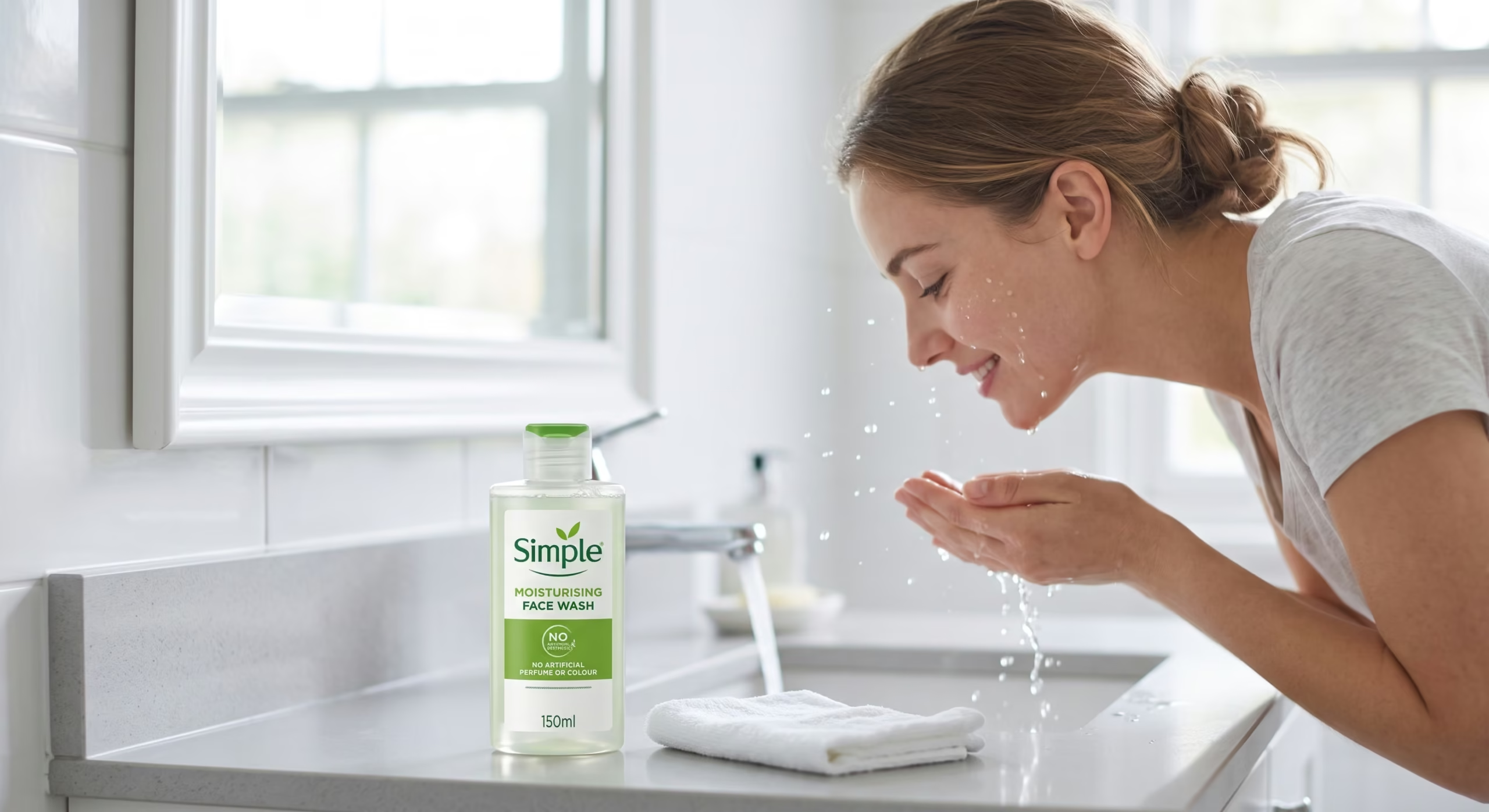
In short, Simple Moisturising Face Wash is a gentle, soap-free cleanser specifically formulated to wash away makeup, dirt, and impurities without stripping the skin of its natural moisture. It is widely considered perfect for sensitive skin because it is entirely free from artificial perfumes, colors, and harsh chemicals, instead relying on skin-loving ingredients like Pro-Vitamin B5, Vitamin E, and Bisabolol to soothe and hydrate while it cleanses.
If you are tired of the dreaded “squeaky clean” (read: dry and tight) feeling after washing your face, keep reading. In Simple Moisturising Face Wash comprehensive guide, we are diving deep into what makes a moisturising face wash different, the ingredients you should look for, and how to properly cleanse sensitive skin to keep it glowing, healthy, and calm.
What Is Simple Moisturising Face Wash?
To understand why Simple Moisturising Face Wash specific product has gained a cult following among skincare enthusiasts, we first need to look at its core philosophy. The brand “Simple” was built entirely around the concept of creating effective skincare for sensitive skin.
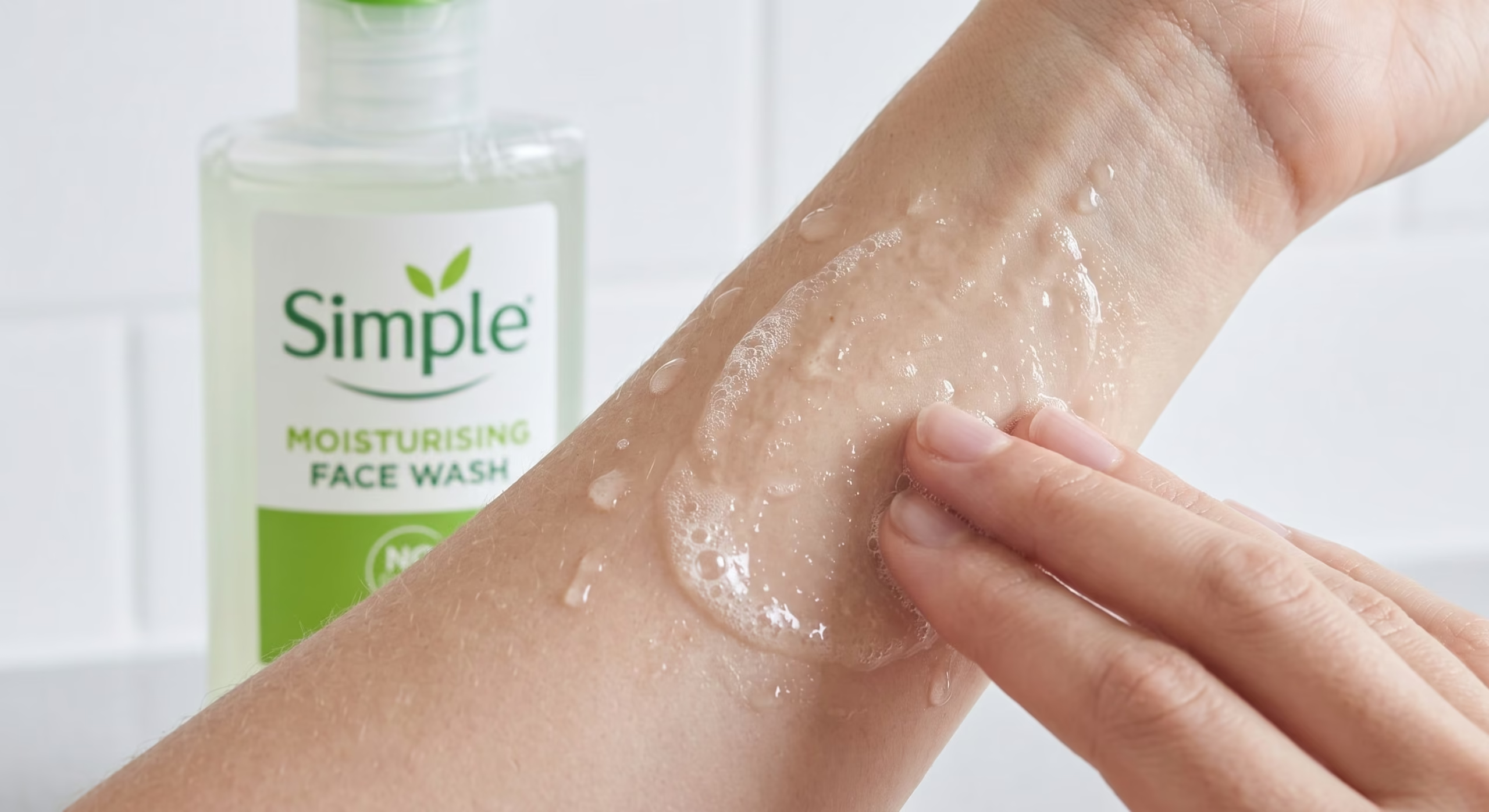
A moisturising face wash for sensitive skin does exactly what its name suggests: it cleanses the skin while simultaneously depositing or retaining moisture. Traditional cleansers—particularly heavy foaming ones—often contain harsh soaps or strong surfactants that bind to both dirt and your skin’s natural lipids (fats), washing everything down the drain.
Simple Moisturising Face Wash utilizes an entirely different approach. It features mild, non-stripping cleansing agents that gently lift away daily grime and makeup. At the same time, it is infused with humectants and conditioning agents that help the skin hold onto water. The result is a clean face that feels soft, supple, and comfortable, rather than tight and itchy.
Importantly, it avoids making grandiose, unverified claims. It won’t magically cure severe dermatological conditions, but it provides a clean, non-irritating foundation for your skincare routine, which is precisely what reactive skin needs to thrive.
Why Can Sensitive Skin Benefit From a Gentle, Moisturising Cleanser?
Sensitive skin is characterized by a weakened or easily disrupted stratum corneum—the outermost layer of the epidermis, often referred to as the skin barrier. Think of your skin barrier as a brick wall. The skin cells are the bricks, and the natural oils (lipids, ceramides, and cholesterol) are the mortar holding them together.
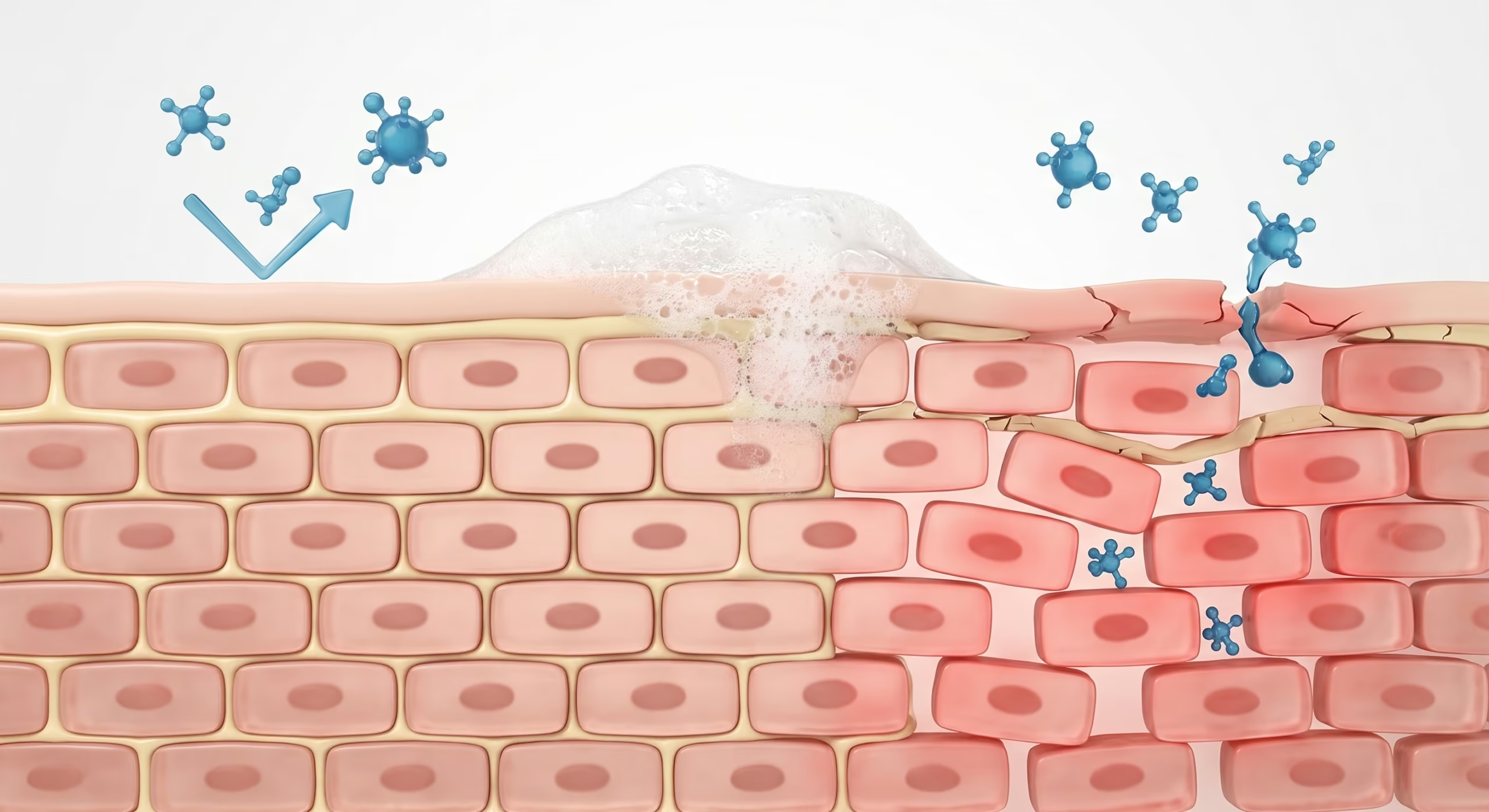
When you use a harsh cleanser, you dissolve that “mortar.” Simple Moisturising Face Wash leads to two major problems:
- Transepidermal Water Loss (TEWL): Moisture easily escapes from your skin into the air, causing profound dryness and flaking.
- External Irritants Enter: Bacteria, pollution, and allergens can easily penetrate the compromised barrier, causing redness, stinging, and breakouts.
According to guidelines from the American Academy of Dermatology (AAD), people with sensitive or dry skin should use a gentle, non-abrasive cleanser that does not contain alcohol.
A hydrating cleanser like the Simple Moisturising Face Wash respects the skin barrier. By cleansing without stripping, it preserves your natural lipid layer. Over time, Simple Moisturising Face Wash helps reduce general tightness, calms visible irritation, and makes your skin more resilient against environmental stressors.
Key Features and Ingredients to Look For
What actually makes a gentle face wash gentle? It all comes down to the formulation. When assessing skincare for sensitive skin, you should turn the bottle around and look at the ingredient list.
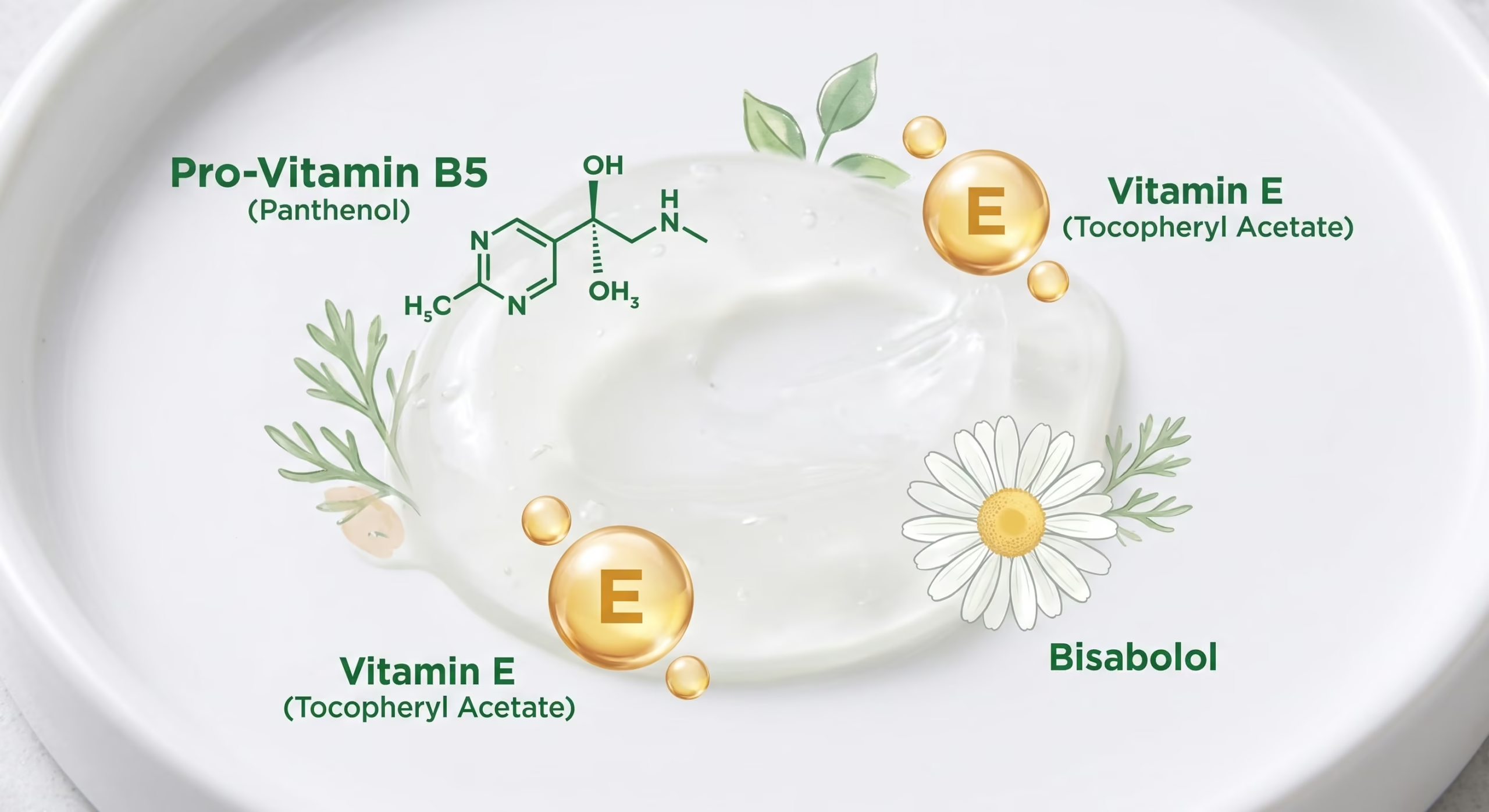
Here are the key skin-loving ingredients that make Simple Moisturising Face Wash stand out:
1. Pro-Vitamin B5 (Panthenol)
Panthenol is a skincare superstar. It acts as a humectant, meaning it attracts and holds moisture in the skin. Additionally, it is renowned for its soothing properties, helping to support the skin’s natural healing processes and barrier function.
2. Vitamin E (Tocopheryl Acetate)
Vitamin E is a potent antioxidant. While it helps protect the skin from environmental free radical damage, in a cleanser, its primary role is to act as a deeply conditioning emollient, leaving the skin feeling smooth and nourished after rinsing.
3. Bisabolol
Derived from chamomile, Bisabolol is specifically included for its calming properties. It is highly effective at soothing easily irritated skin, making it a staple ingredient in a high-quality face wash for sensitive skin.
4. Mild Surfactants
Instead of aggressive detergents, Simple Moisturising Face Wash uses gentler cleansing agents (like Cocamidopropyl Betaine, derived from coconut oil) that create a satisfying lather without breaking down your skin’s protective barrier.
Ingredients or Formulations Sensitive Skin May Want to Avoid
Just as important as what is in your cleanser is what is left out. While sensitivity varies widely from person to person, dermatologists generally agree that certain ingredients are common culprits for irritation.
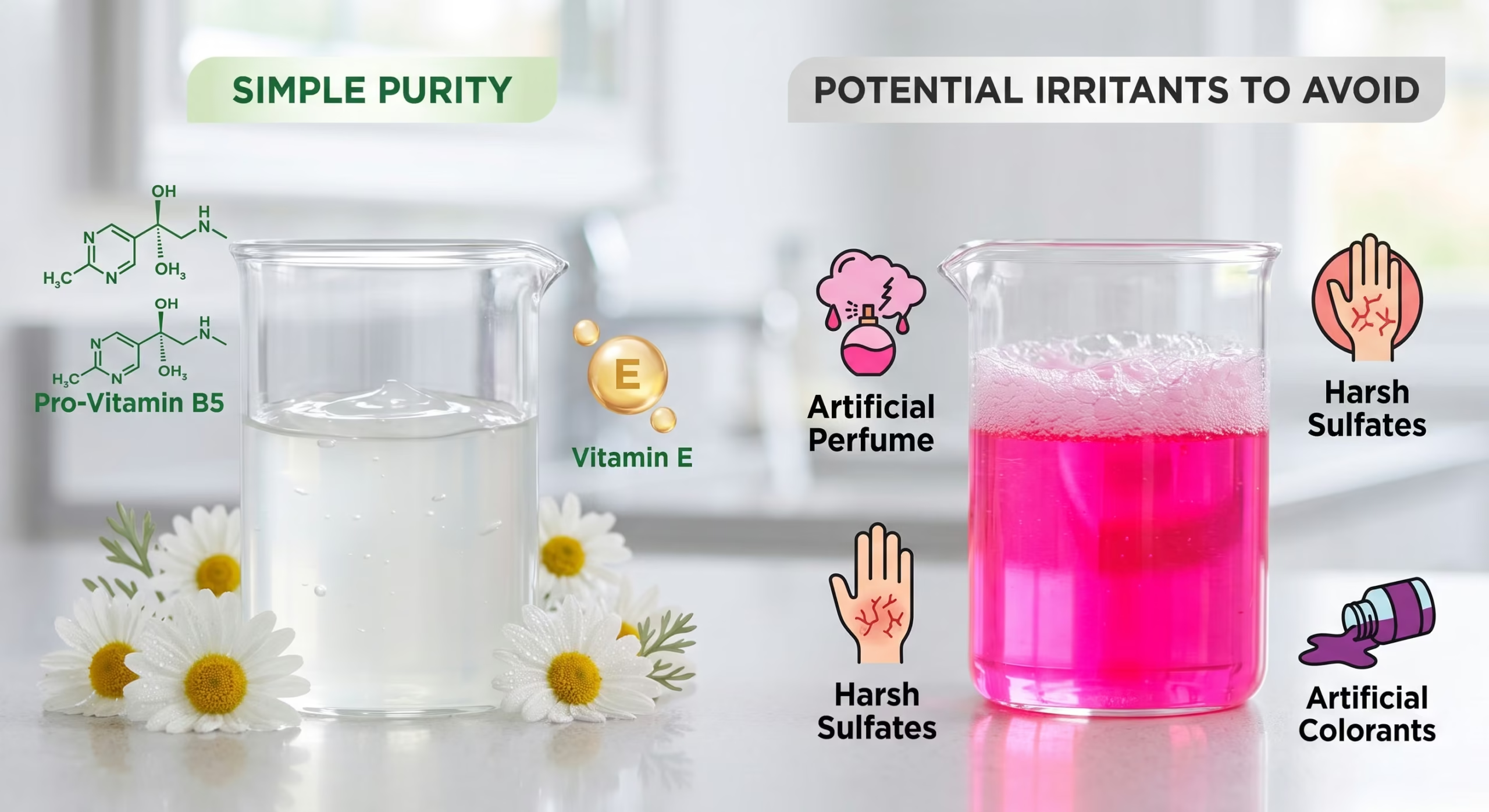
If you have reactive skin, you generally want to avoid:
- Artificial Fragrances (Parfum): Fragrance is the number one cause of contact dermatitis in skincare. Simple completely omits artificial perfumes.
- Harsh Sulfates (like SLS/SLES): Sodium Lauryl Sulfate is a heavy-duty degreaser that creates thick foam but is notoriously stripping and drying.
- Drying Alcohols: Ingredients like SD Alcohol or Alcohol Denat can rapidly dehydrate the skin, leading to a tight, uncomfortable feeling.
- Artificial Dyes and Colorants: These serve zero functional purpose for the skin and can trigger allergic reactions.
- Harsh Physical Exfoliants: A daily cleanser for sensitive skin should not contain microbeads, crushed shells, or abrasive scrubs, which can cause micro-tears in the skin.
Note: Everyone’s skin is unique. An ingredient that works perfectly for one person might irritate another. If you experience persistent irritation, it is always best to consult a qualified dermatologist.
How to Use a Moisturising Face Wash Correctly
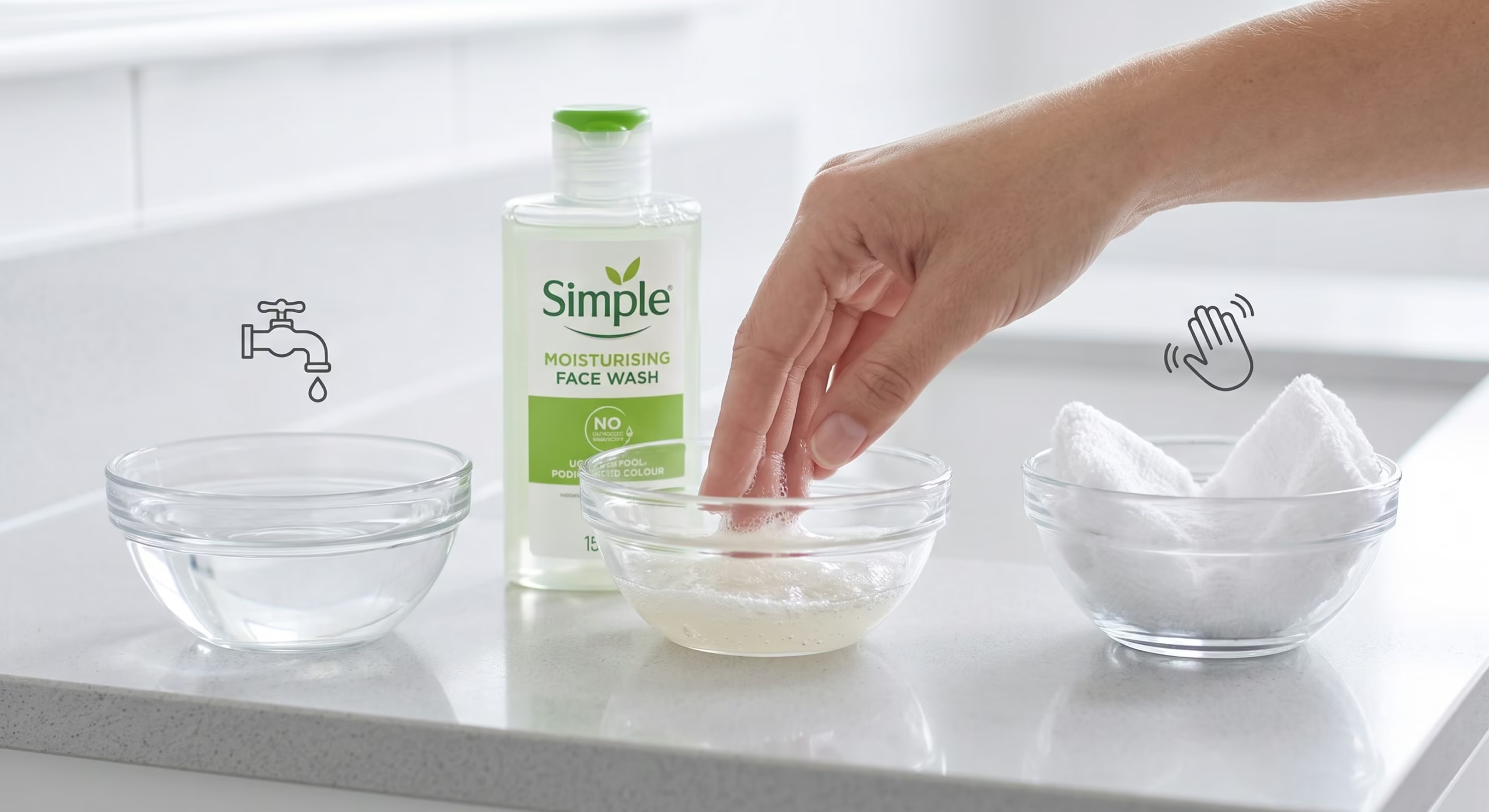
Even the best hydrating cleanser can underperform if you aren’t using it correctly. Follow this step-by-step routine to get the most out of your Simple Moisturising Face Wash.
Step 1: Wash Your Hands
Never wash your face with dirty hands. You don’t want to transfer bacteria from your phone, keyboard, or doorknobs onto your sensitive facial skin.
Step 2: Use Lukewarm Water
Avoid extreme temperatures. Hot water melts away your natural oils and causes vasodilation (widening of blood vessels), leading to redness and flushing. Splash your face with lukewarm water to prepare the skin.
Step 3: Apply the Right Amount
Dispense a dime-sized amount of the face wash into your damp palms. Rub your hands together to create a light, gentle lather before applying it to your face.
Step 4: Gentle Massage
Gently massage the cleanser into your skin using circular upward motions. Pay attention to areas where oil and dirt build up, like the sides of the nose and the chin. Aim to massage for about 30 to 60 seconds. Do not scrub or drag the skin aggressively.
Step 5: Rinse Thoroughly
Splash lukewarm water over your face until all the cleanser is removed. Leaving cleanser residue on the skin can lead to irritation and clogged pores.
Step 6: Pat Dry
Take a clean, soft microfiber towel or cotton face cloth and pat your skin dry. Never rub or aggressively drag the towel across your face.
Step 7: Follow Up Immediately
While your skin is still slightly damp, apply your toner, serums, and a good moisturizer. Applying moisturizer to damp skin helps lock in the hydration provided by your face wash.
Who Might Benefit From This Type of Face Wash?
While labeled for sensitive skin, a gentle cleanser is incredibly versatile. The following skin profiles can benefit greatly:
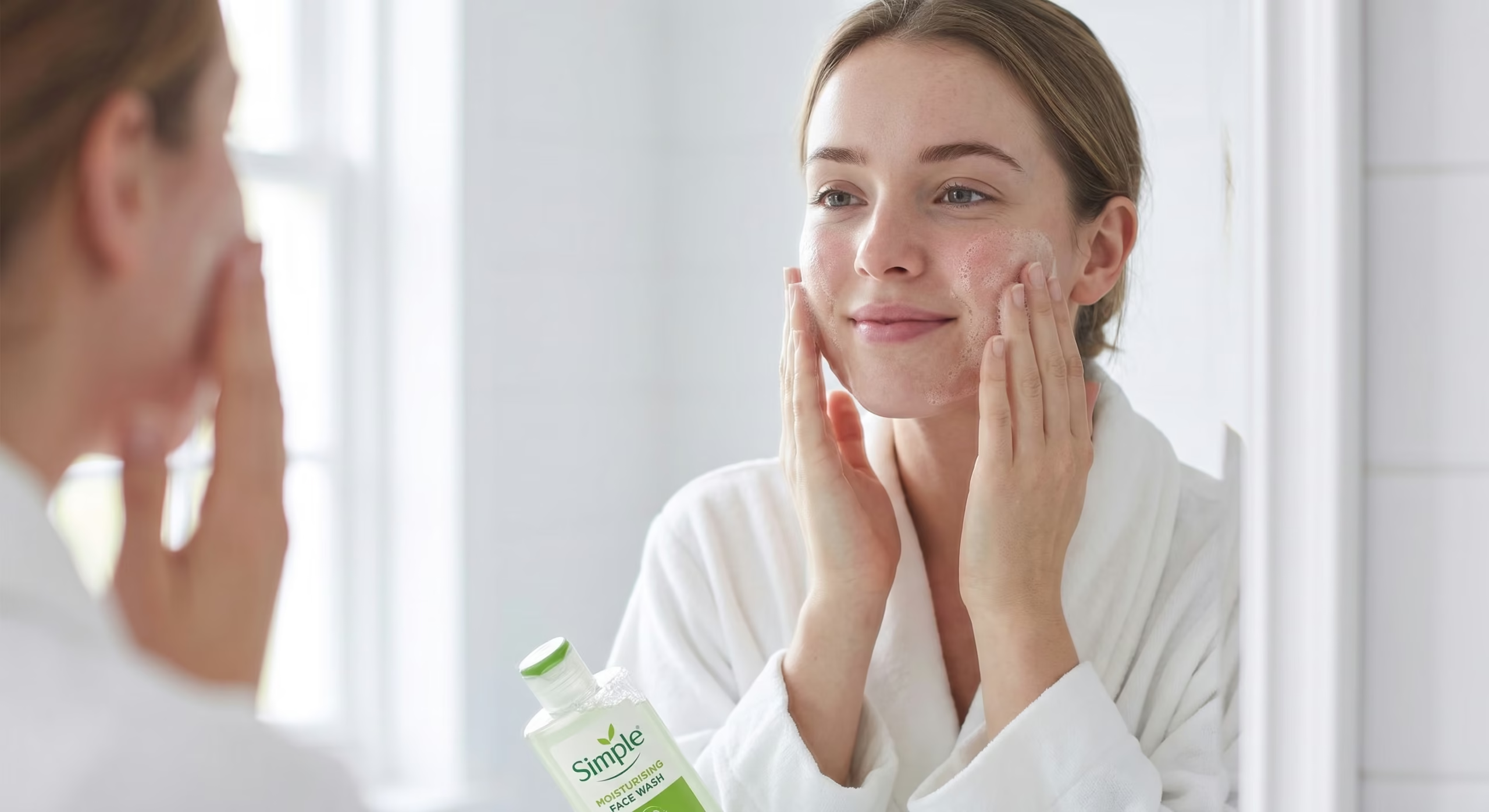
- Sensitive Skin: Naturally, those prone to redness, stinging, and cosmetic intolerance will benefit from the lack of fragrance and harsh chemicals.
- Dry Skin: A cleanser for dry skin needs to avoid stripping. The added Pro-Vitamin B5 and Vitamin E help keep dry patches at bay.
- Combination Skin: People with oily T-zones but dry cheeks often over-wash, making the dry parts drier and causing the oily parts to overcompensate. A balanced, gentle wash normalizes the skin.
- Compromised Skin Barriers: If you have over-exfoliated with strong AHA/BHA acids or are starting a strong retinoid routine, dropping down to a basic, moisturising cleanser is vital to let your skin heal.
Simple Moisturising Face Wash vs. Regular Face Wash
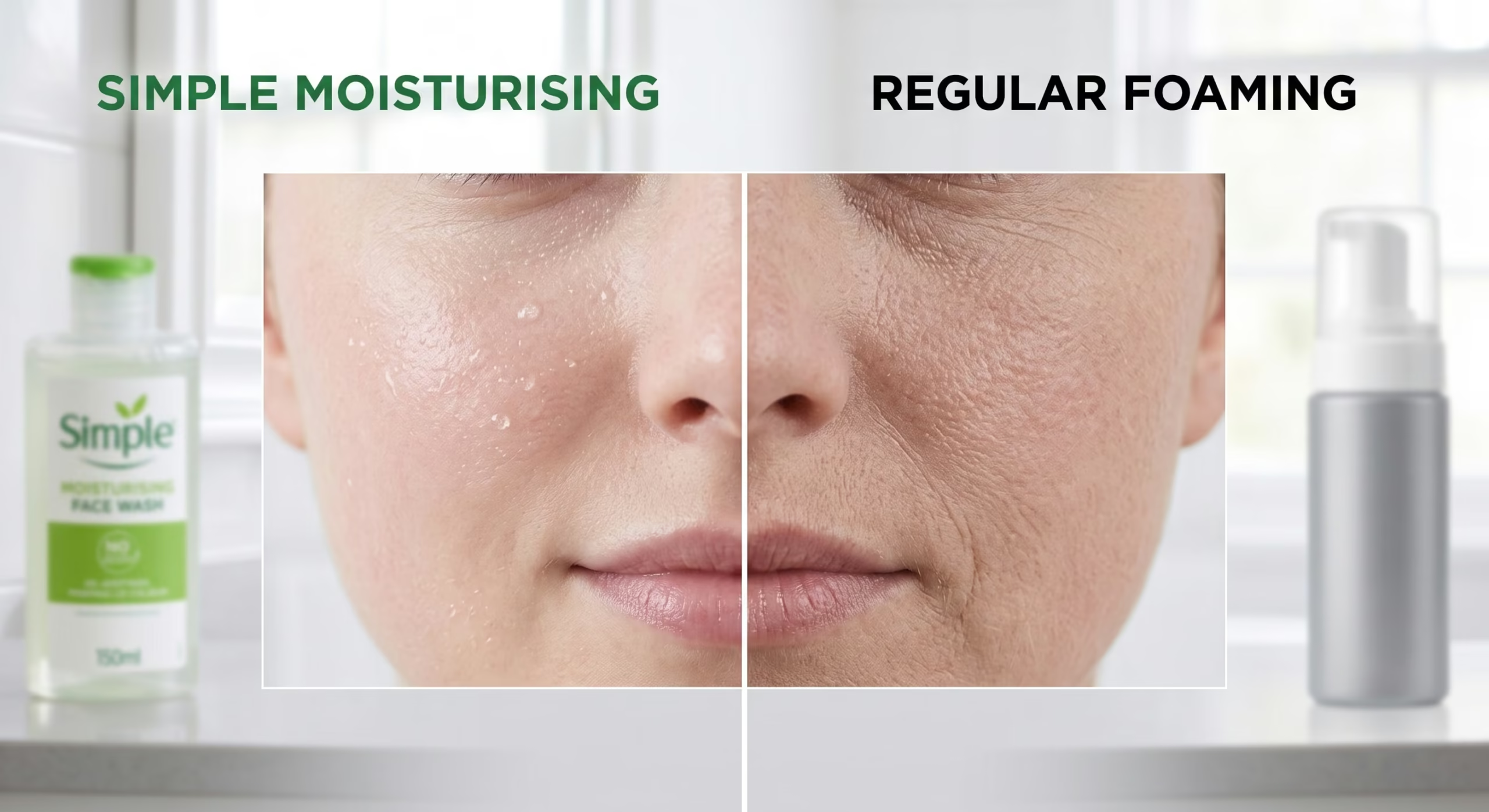
How does it actually stack up against standard cleansers on the market? Here is a quick breakdown:
| Feature | Simple Moisturising Face Wash | Regular Foaming Face Wash |
| Cleansing Agents | Mild, non-stripping surfactants | Often contain strong sulfates (SLS) |
| Skin Feel After Washing | Soft, hydrated, supple | Often “squeaky clean,” tight, dry |
| Hydrating Ingredients | Pro-Vitamin B5, Vitamin E, Bisabolol | Rarely prioritized; focused on oil removal |
| Fragrance/Color | 100% Free of artificial perfume/color | Often heavily fragranced and dyed |
| Best For | Sensitive, Dry, Combination skin | Very oily, non-sensitive skin |
Common Mistakes When Washing Sensitive Skin
Even with a top-tier product, bad habits can ruin your skin barrier. Avoid these common mistakes:
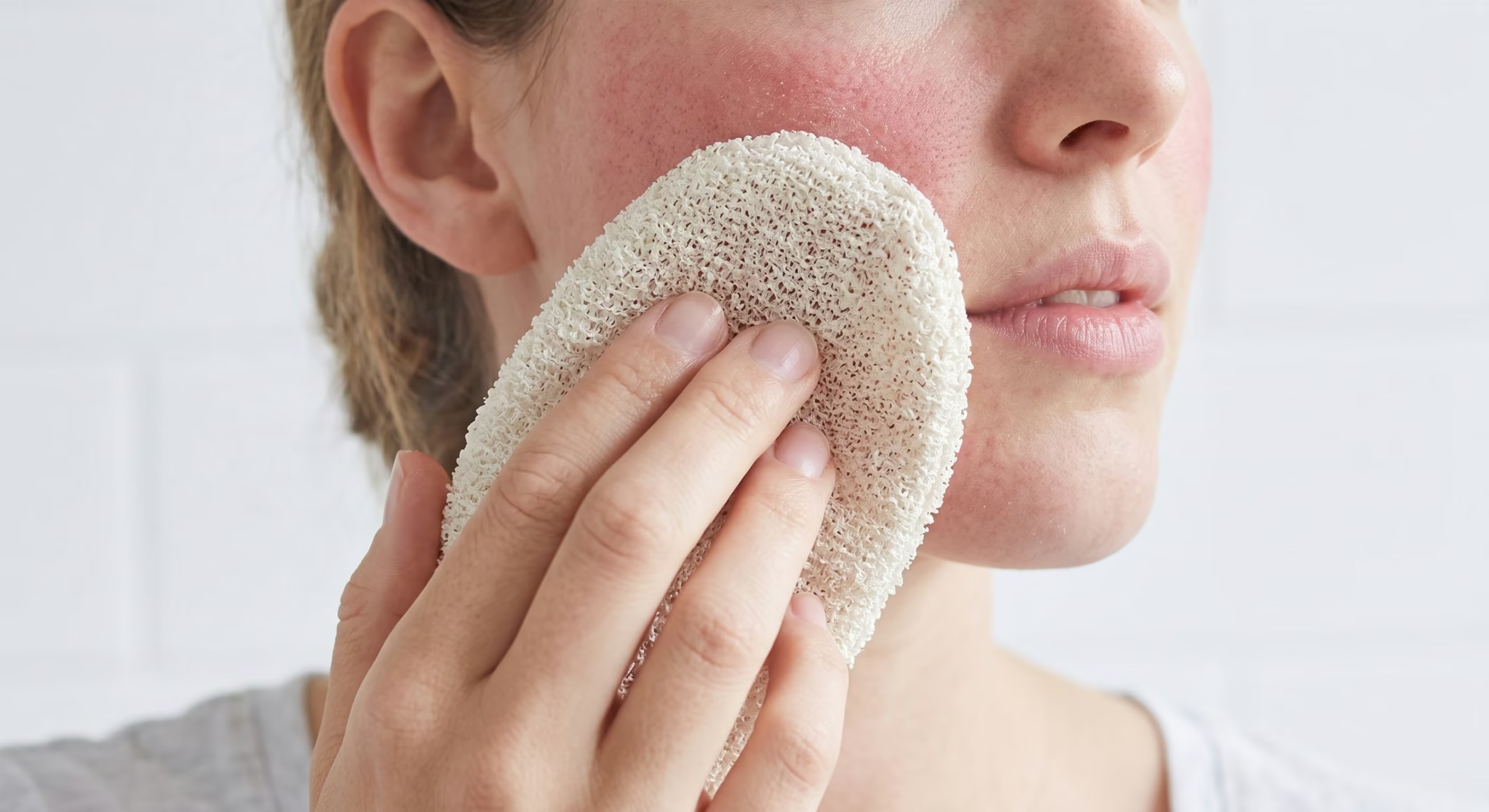
- Over-Cleansing: Unless you have incredibly oily skin or work in a dirty environment, you usually only need to use a cleanser once a day (in the evening) to remove sunscreen and makeup. In the morning, a splash of lukewarm water is often enough for sensitive skin.
- Using Cleansing Brushes: Hard bristle brushes and aggressive silicone scrubbers can be too much for sensitive skin. Your fingertips are the best and gentlest tool.
- Switching Products Too Fast: If you are trying to calm sensitive skin, don’t change your cleanser, serum, and moisturizer all on the same day. Introduce new products one at a time so you can monitor how your skin reacts.
How to Choose the Right Face Wash for Your Skin
If you are currently evaluating your skincare routine, use Simple Moisturising Face Wash practical checklist to ensure your cleanser is helping, not hurting, your sensitive skin:
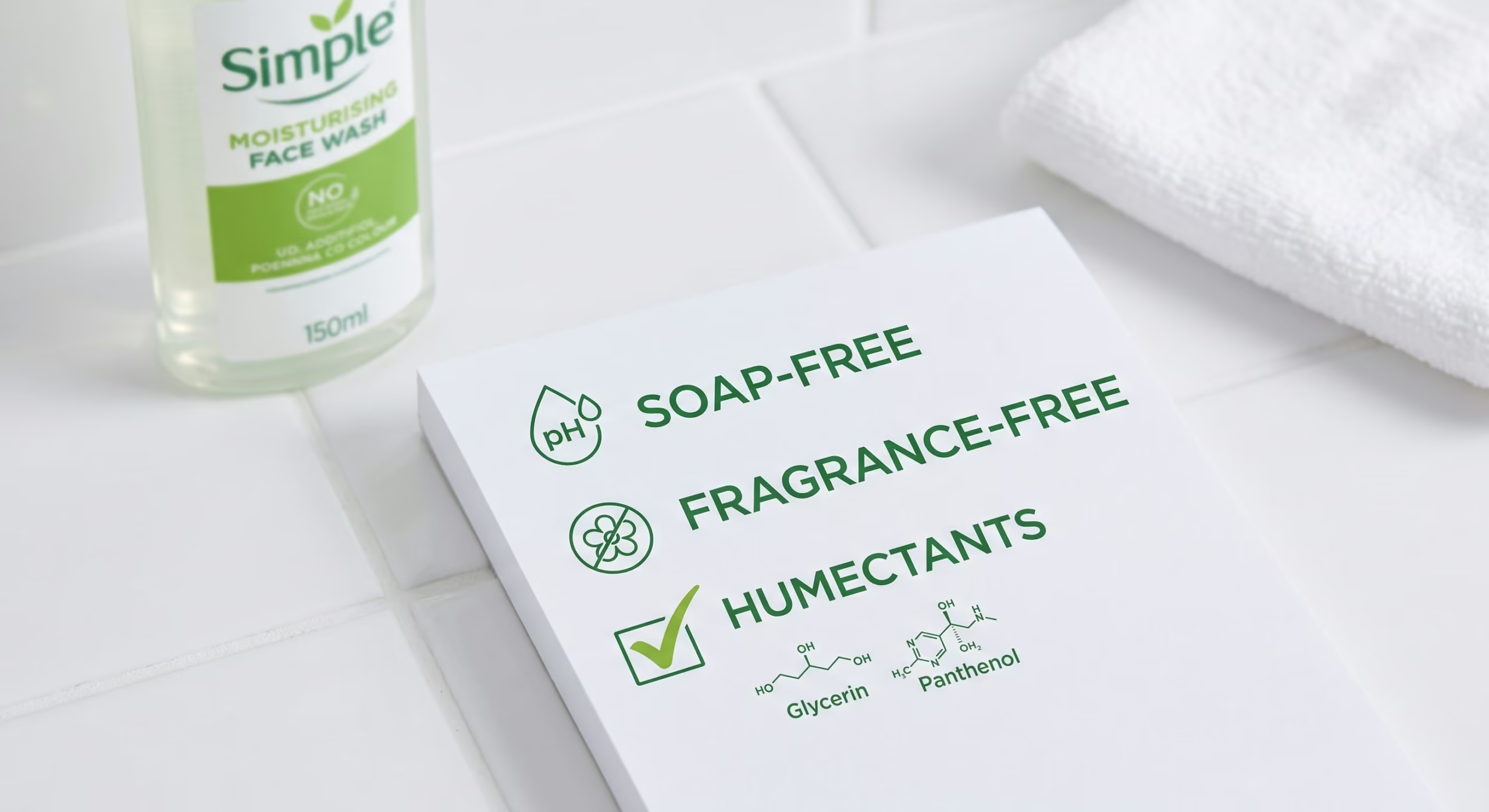
- Is it soap-free? (True soaps have a high, alkaline pH that disrupts the acidic skin barrier).
- Is it fragrance-free? (Check for hidden fragrances like essential oils, which can also be irritating).
- Does it contain humectants? (Look for Glycerin, Panthenol, or Hyaluronic Acid).
- Does your skin feel comfortable after washing? (If you have to sprint to apply moisturizer because your face hurts, your cleanser is too harsh).
- Is it non-comedogenic? (Meaning it won’t clog your pores).
Conclusion
Navigating the world of skincare when you have a reactive complexion can be exhausting, but it doesn’t have to be. The Simple Moisturising Face Wash proves that you don’t need a complicated, expensive, or scientifically aggressive formula to achieve clean, healthy skin. By focusing on what the skin actually needs—gentle cleansing, effective hydration, and soothing vitamins—and eliminating known irritants, it provides a safe haven for stressed-out skin.
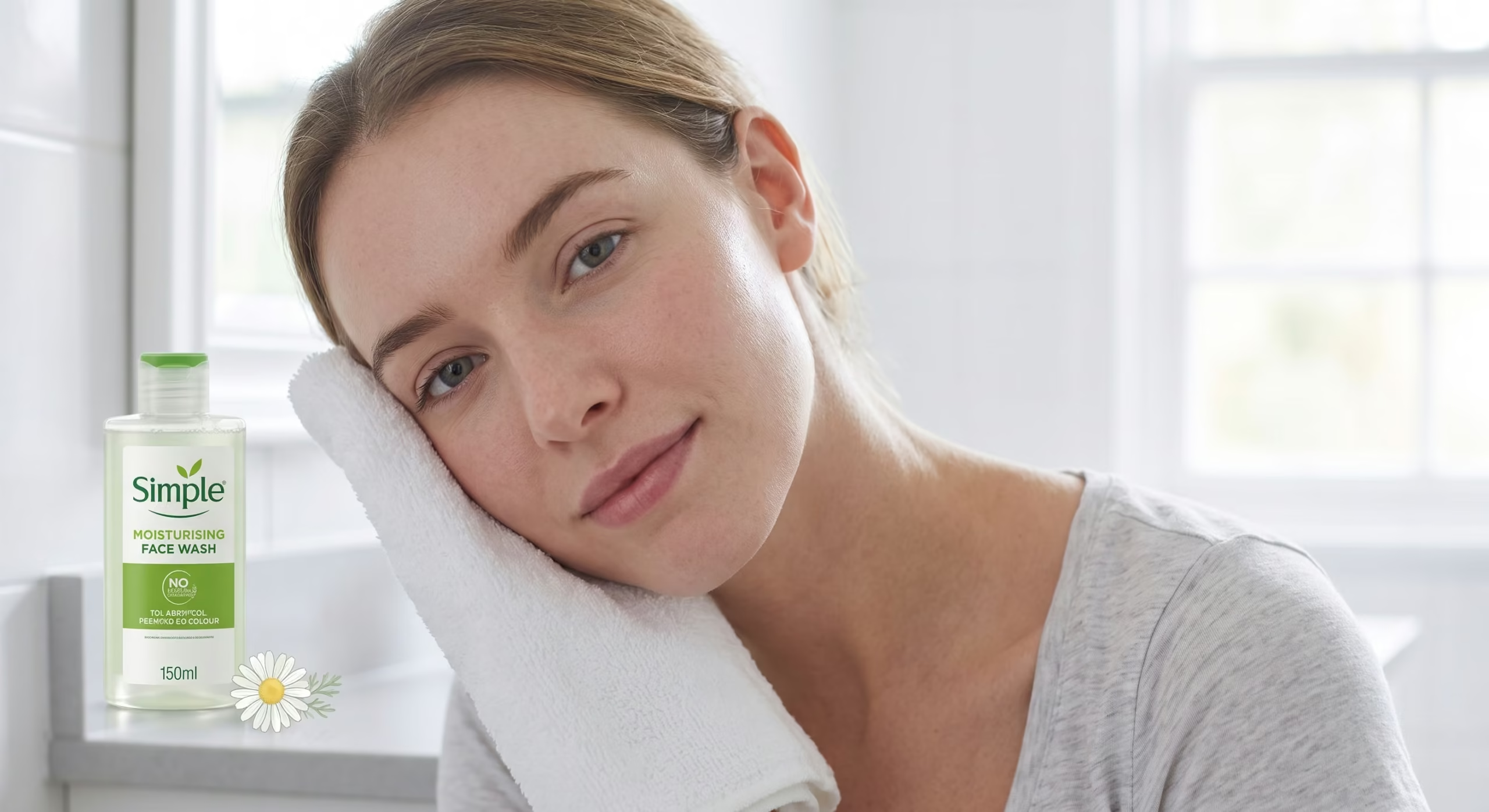
Whether you are dealing with seasonal dryness, recovering from a damaged skin barrier, or simply looking to adopt a more gentle daily routine, choosing a moisturising face wash is a foundational step toward a calmer, more radiant complexion.
If you are looking to build a routine that truly respects your skin, finding authentic, high-quality products is essential. At Modern Beauty BD, we are committed to bringing you globally trusted, authentic skincare solutions right here in Bangladesh. Explore our curated selection of gentle cleansers and sensitive-skin saviors to give your skin the care it deserves.
Frequently Asked Questions
1. What is Simple Moisturising Face Wash?
Simple Moisturising Face Wash is a gentle, soap-free cleanser formulated without artificial perfumes, colors, or harsh chemicals. It is designed to remove dirt, oil, and makeup while utilizing ingredients like Pro-Vitamin B5 and Vitamin E to hydrate and soothe the skin.
2. Is Simple Moisturising Face Wash good for sensitive skin?
Yes. It is specifically formulated for sensitive skin. By excluding common irritants like artificial fragrances, harsh sulfates, and dyes, and including calming ingredients like Bisabolol, it cleanses without triggering redness or irritation.
3. What makes a face wash suitable for sensitive skin?
A face wash for sensitive skin should be free from harsh detergents (like SLS), artificial fragrances, and abrasive exfoliants. It should feature a pH-balanced, soap-free formula enriched with barrier-supporting ingredients like ceramides, glycerin, or panthenol.
4. Is a moisturising face wash better for dry skin?
Absolutely. Dry skin lacks natural lipids and struggles to retain water. A moisturising face wash cleanses the skin using mild surfactants while depositing hydrating ingredients, preventing the tight, dry feeling associated with standard foaming cleansers.
5. How often should you use a moisturising face wash?
For most people with dry or sensitive skin, using a moisturising face wash once a day (in the evening to remove sunscreen and daily grime) is sufficient. In the morning, a gentle rinse with lukewarm water is often enough.
6. Can sensitive skin use a face wash every day?
Yes, provided it is a very gentle, non-stripping cleanser. Daily washing is important to remove pollutants and sunscreen, but using a harsh cleanser daily will damage the skin barrier. Always listen to your skin and reduce usage if it feels tight.
7. What ingredients should people with sensitive skin look for?
Look for humectants (like Glycerin, Hyaluronic Acid, and Pro-Vitamin B5), soothing agents (like Aloe Vera, Centella Asiatica, and Bisabolol), and emollients (like Vitamin E or Ceramides) to help support and repair the skin barrier.
8. What ingredients should sensitive skin avoid?
Those with sensitive skin should generally avoid artificial fragrances (parfum), essential oils (which can cause contact dermatitis), heavy drying alcohols (denatured alcohol), and strong sulfates (Sodium Lauryl Sulfate).
9. What is the difference between a face wash and a cleanser?
While often used interchangeably, “face wash” typically refers to a product that foams or lathers and is rinsed off with water. “Cleanser” is a broader term that includes non-foaming lotions, creams, balms, and micellar waters that may or may not require rinsing.
10. How should you introduce a new face wash to sensitive skin?
Introduce any new skincare product slowly. Perform a patch test on your jawline or inner wrist first. If there is no reaction after 24 hours, begin using it every other day to allow your skin to adjust before moving to daily use.


